
Reviewed · MUSEE D ORSAY & ORANGERIE TOURS
Paris: Musée d’Orsay Skip-the-Line Tour with Expert Guide
The best thing about this Musée d’Orsay tour is that it turns a huge collection into a clear story. Instead of wandering past famous canvases without much context, you follow the rise of Impressionism through works by Monet, Manet, Renoir, Degas, Van Gogh, and others.
I like the pre-reserved entry, which gets you past the worst of the line, and I like the way the tour ends inside the museum. You can keep exploring after your guide leaves, returning to a painting that caught your eye or taking time beneath the famous giant clock.
The main consideration is pace. One hour and 45 minutes is enough for a strong introduction, not a complete museum visit. The group can include as many as 20 people, and the museum may be crowded, so plan to stay longer if you want a quieter look at the collection.
Key points at a glance
- A clear art-history story: Follow the change from traditional 19th-century painting to the bold new world of Impressionism.
- Fast entry through a special entrance: Pre-reserved admission helps you spend more time with the art and less time waiting.
- Guides who bring personality: Guides such as Celia, Claire, Julie, Caroline, Ivan, Anthony, and Stephanie have been praised for humor, energy, and strong explanations.
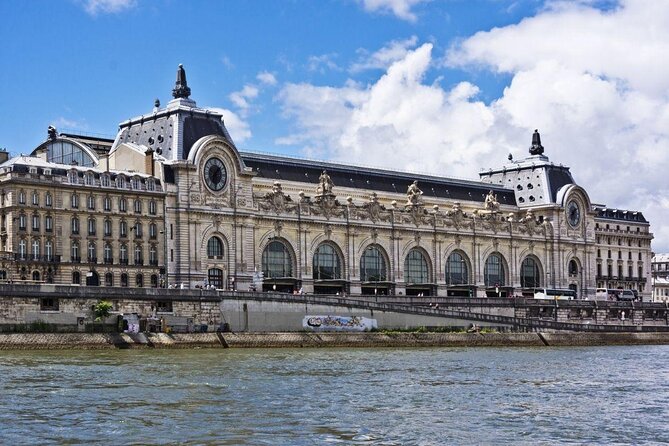
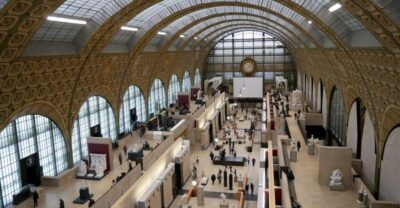
- A former railway station: The Beaux-Arts building, enormous clock, and long central hall are part of the experience.
- Free time after the guided hour: Stay inside the museum and continue at your own speed after the formal tour ends.
Why the Musée d’Orsay works so well with a guide
The Musée d’Orsay is easier to manage than the Louvre, but that does not mean it is small or simple. Thousands of works are displayed across five levels, and the museum covers painting, sculpture, photography, decorative arts, and more.
You can certainly walk in and admire pretty pictures. The trouble is knowing what to look at, in what order, and why it matters. A good guide gives you a route through the collection and explains how one generation of artists pushed against the rules of the generation before it.
That context is the real value here. Impressionist paintings can look familiar now because their colors, loose brushwork, and outdoor scenes have become part of popular culture. In their own time, those choices could seem careless, unfinished, or even offensive.
The tour explains this change in plain terms. You learn why artists such as Monet, Manet, Renoir, Degas, and Van Gogh chose modern subjects, visible brushstrokes, unusual viewpoints, and brighter colors. You also get the human side of the story, including rivalries, ambition, rejection, and the refusal to paint only what official institutions approved.
I especially like this approach for a first visit. You do not need a degree in art history to follow it, and you do not have to pretend that every painting makes sense at first glance. The guide gives you a set of ideas to carry through the galleries.
A few other Paris half-days to compare
- Paris: Musée d’Orsay Entry Ticket and Seine River Cruise
★ 4.6 · 1,344 reviews - Musée d’Orsay Skip-the-Line Tour with Expert Guide
★ 4.8 · 1,088 reviews - The Musée d’Orsay Guided Tour Orsay Museum Semi-Private 6ppl Max
★ 5.0 · 904 reviews
Meeting outside the Orsay and getting inside
The meeting point is at 2 Rue de la Légion d’Honneur, outside the museum. The tour ends inside the Musée d’Orsay, so you are already in place to continue exploring when the guided portion is over.
Finding the group is reported as straightforward, but I would still arrive early. The museum is at Esplanade Valéry Giscard d’Estaing, and taxi rides in Paris can take longer than expected, especially when traffic is heavy or finding a taxi proves difficult.
Your ticket and reserved entry are included in the $67.60 price. The special entrance is one of the practical reasons to book this rather than simply turning up and hoping the line is short. The exact benefit depends on the crowd and museum procedures that day, but you are paying for a planned entry as well as the guide.
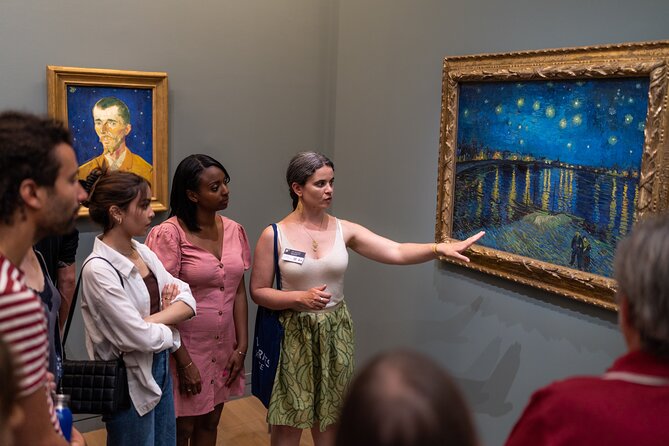
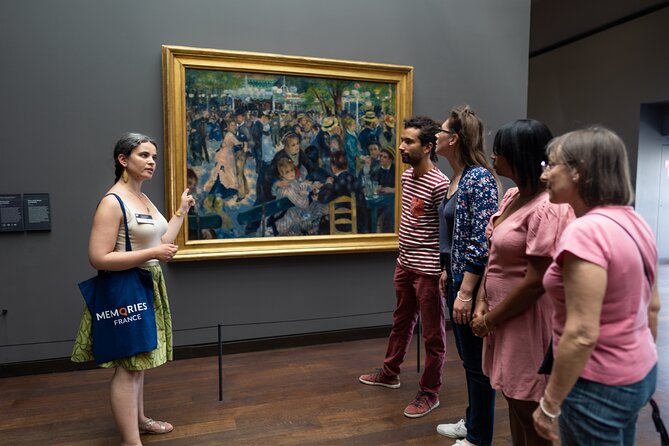
Once inside, headsets help you follow the commentary without needing to gather tightly around the guide. That matters in a busy gallery. It also lets you look at the artwork instead of spending the whole explanation trying to stay close to the group.
The maximum group size is 20 people. That is not a private tour, but it is still more manageable than a large coach group. If the museum is packed, though, even a group of this size may need to shift position or wait briefly for a clear view.
The first hour: the building and the main collection
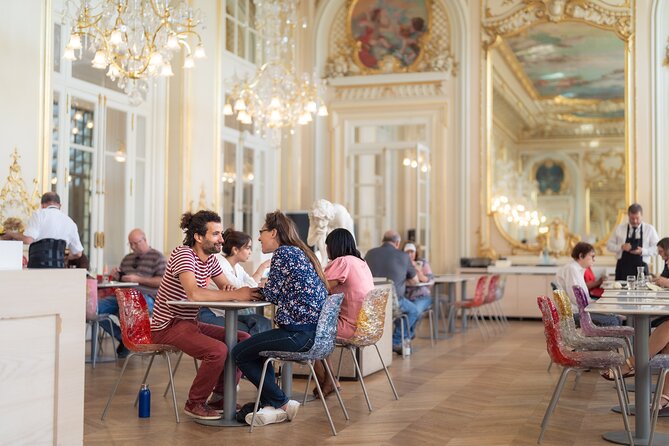
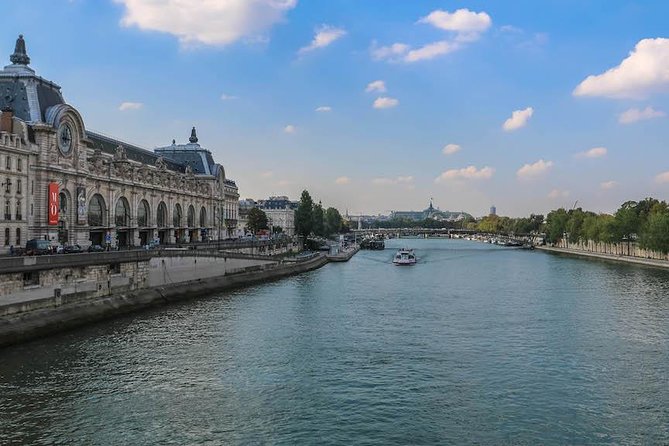
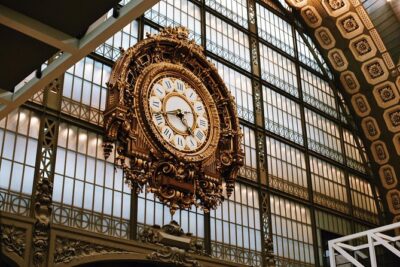
The museum occupies a former railway station, and the building is not just a container for the art. Its Beaux-Arts design gives the visit a grand opening, with high spaces, long sightlines, and the famous clock that has become one of the Orsay’s signature images.
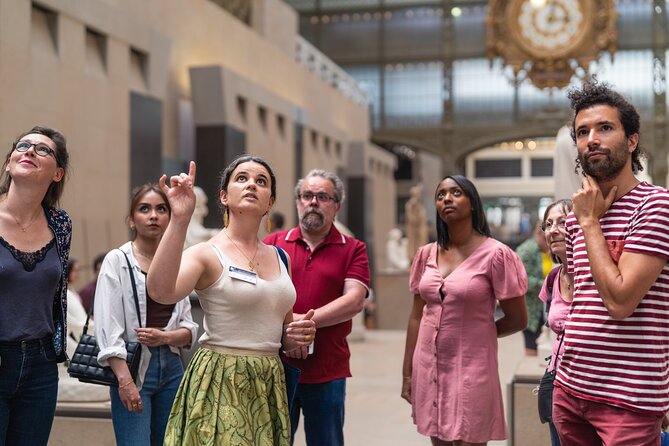
Your guide begins by helping you understand the place itself. This is useful because the Orsay’s layout can feel unusual. You are not simply moving through a modern series of white rooms. The building’s former purpose, scale, and decorative details shape the way you see the collection.
The first guided hour focuses on the major story of 19th-century art. You will be shown key works that explain the move away from formal academic painting toward Realism, Impressionism, and later Post-Impressionist experiments.
The strongest guides make this feel like a connected tale rather than a list of names. Julie, for example, has been praised for weaving the period’s history into the paintings. Other guides, including Claire and Sylviane, have been singled out for explaining both the building and the works in a way that helps first-time visitors find their bearings.
Do not expect to see every important painting. That would be impossible in an hour. Instead, expect carefully chosen examples that give you a working understanding of the movement.
This selective approach is a strength. Looking closely at a few works often teaches you more than rushing through dozens. The tradeoff is that you may leave with a list of rooms and artists you still want to visit on your own.
The second 45 minutes: why Impressionism caused trouble
The next part turns more directly to the Impressionist and Post-Impressionist masterpieces. This is where the tour connects technique with social change.
Your guide explains why bold colors and obvious brush marks upset critics. The artists were not merely painting in a looser style. They were challenging accepted ideas about beauty, finish, subject matter, and who or what deserved to appear in serious art.
Manet’s Olympia is a useful example of this tension. Its direct presentation of a modern woman and its departure from idealized tradition forced viewers to confront subjects that polite society preferred to keep out of sight.
The tour also deals with difficult material. You may hear references to prostitution, sexual exploitation of minors, and nude figures. Families should consider this before booking, particularly if children are young or sensitive to adult themes. These subjects are part of the period’s art and society, but that does not make every discussion suitable for every family.
The artists’ personalities add another layer. Monet, Manet, Renoir, Degas, and Van Gogh were not working in isolation. Their goals, frustrations, friendships, and differences help explain why the movement changed direction so quickly.
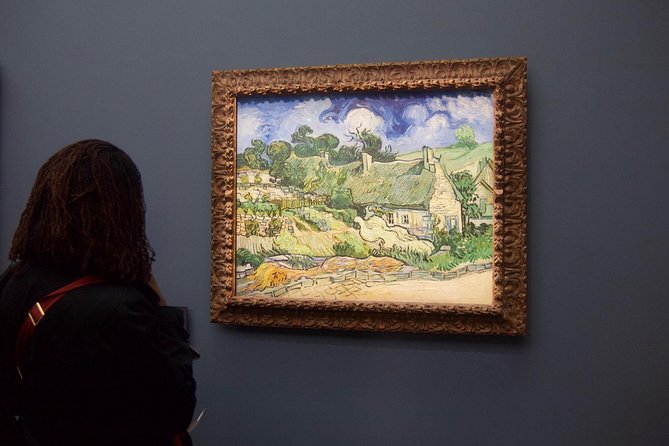
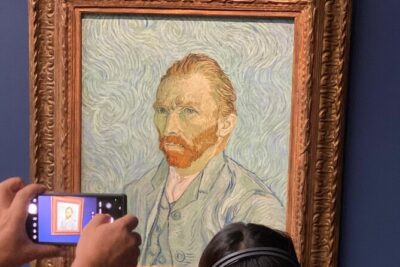
Specific works can then be seen with more purpose. Monet’s Water Lilies show how color and light can become the subject itself. Van Gogh’s Starry Night Over the Rhône rewards a slower look at its reflected lights and dark water. Renoir’s dance scenes bring a sense of movement and social life that feels very different from the stillness of a formal portrait.
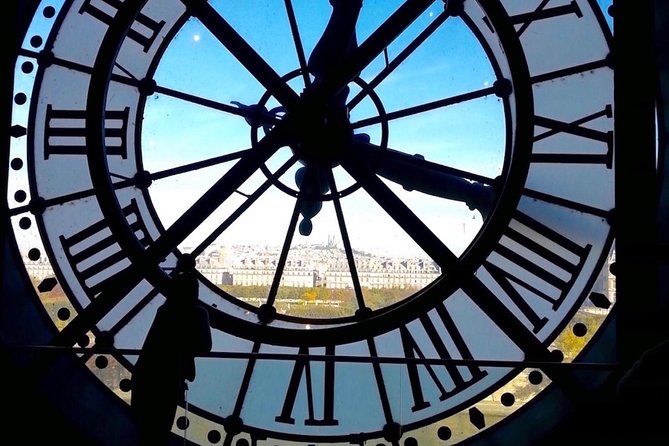
You will also have the chance to appreciate the museum’s famous clock. It is a fine photo spot, but it is worth looking beyond the picture-taking. The clock reminds you that this was once a working station, built for movement and modern technology before it became a home for paintings about modern life.
More skip-the-line tickets in Paris:
- Versailles: Skip-the-Line Tour of Palace with Gardens Access
★ 4.7 · 9,778 reviews - Versailles: Skip-the-Line Guided Palace Tour and Full Access
★ 4.6 · 5,214 reviews - Louvre Museum: Skip-the-Line Small Group Guided Tour
★ 4.6 · 3,960 reviews - From Paris: Versailles Skip-the-Line Tour & Gardens Access
★ 4.7 · 3,011 reviews
What the guide adds that a room map cannot
A museum map tells you where the galleries are. This tour aims to explain why the paintings belong together.
That difference matters most when you are new to Impressionism. Without guidance, you may see bright colors and loose marks but miss the argument behind them. With a guide, you can compare what the artists rejected with what they invented.
The best guide style seems to combine solid art knowledge with humor and conversation. Ivan has been praised for keeping a group engaged with jokes, while Celia was described as both fun and educational. Anthony and Caroline have also been praised for good humor and clear explanations.
Those details matter because art tours can become stiff. A lively guide helps teenagers stay with the group, gives older visitors a way into the material, and makes room for questions. One guide was specifically praised for keeping the whole age range occupied, from teenagers to elderly visitors.
There is also room for personal interests. Claire helped one visitor connect Orsay paintings with a planned painting trip along the Seine and Oise. That is a good reminder that a strong guide can do more than repeat dates and movements. You can ask how a certain artist worked, where a scene was painted, or how a particular style developed.
Guide quality can vary from person to person, as it does on any guided activity. Most of the supplied feedback is highly favorable, but one visitor found the presentation disorganized and below the expected level. That isolated criticism is worth keeping in mind, especially if you are an art specialist seeking a very specific academic experience.
Free time inside the museum after the tour
The tour is designed to leave you inside the Orsay when the formal commentary ends. This is one of its best features.
The guided route gives you a framework, then you can choose what to do with the remaining time. You might return to a favorite Monet, spend longer with Van Gogh, look for sculptures, or revisit the building’s clock and central spaces without needing to keep up with a group.
I recommend using the guided hour to note the works you want to see again. Do not assume you will remember every room. The Orsay is large enough that a short list is useful.
The free time also fixes one of the tour’s natural limitations. Since the guided portion moves at a purposeful pace, you may not have time to examine every painting fully. Staying afterward gives you a chance to slow down.
The museum can grow more crowded later in the day. If you have flexibility, an earlier tour may offer a more comfortable start. Even with reserved entry, the galleries themselves are not private, and busy rooms can make it hard to stand directly in front of a popular work.
Is $67.60 good value?
At $67.60 per person, this is not the cheapest way to enter the Musée d’Orsay. You are paying for three things: admission, a reserved entrance, and roughly 1 hour and 45 minutes with an art guide.
For a visitor who already knows the collection well, the price may be harder to justify. You might prefer to enter independently and spend the money on extra museum time or another Paris activity.
For a first-time visitor, the calculation is better. The Orsay’s collection is large enough to overwhelm you, and the guide helps you spend your limited Paris time on the works that explain the museum’s central story. You also avoid starting the visit by waiting in an uncertain line.
The value is strongest if you care about understanding the art, not simply taking photographs of famous canvases. It is also useful for families and mixed-age groups because the guide can keep the visit moving and answer questions along the way.
The tour is offered in English and uses mobile tickets. Hotel pickup and drop-off are not included, so you must make your own way to the meeting point. Gratuities are optional.
Who should book this Orsay tour?
I would choose this experience if you fit one of these descriptions:
- You are visiting the Musée d’Orsay for the first time.
- You recognize the famous artists but want to understand why their work mattered.
- You have limited time and want a sensible route through the main highlights.
- You are traveling with family members who need a focused visit rather than several hours of wandering.
- You enjoy architecture as much as painting and want an introduction to the former station.
- You plan to stay afterward and explore independently.
I would think twice if you want a private, slow, highly specialized study of a narrow artist or movement. The group can reach 20 people, and the tour has a set pace. It is an introduction with depth, not a full-day seminar.
You should also be comfortable with adult subjects in 19th-century art. The tour may cover nudity, prostitution, and sexual exploitation of minors as part of the social setting behind the paintings.
Timing, cancellation, and small practical points
The experience lasts approximately 1 hour and 45 minutes. The guided visit is described as a one-hour first section followed by 45 minutes focused on Impressionist and Post-Impressionist works, with free time afterward inside the museum.
Confirmation arrives at booking, and most people can participate. The museum is near public transportation. Since the tour starts outside, give yourself extra time to reach the address and locate the group.
You can cancel for a full refund up to 24 hours before the start time. Missed tours and cancellations inside that window are not refundable, and changes made within 24 hours are not accepted. A delayed flight is therefore a real risk, so do not schedule the tour too tightly against your arrival in Paris.
Should you book it?
Book this Musée d’Orsay tour if you want the museum’s major works to make sense, appreciate a guide who can connect art with the social world of 19th-century France, and plan to stay inside afterward.
The best reasons to choose it are the reserved entry, the clear focus on Impressionism, the headsets, and the chance to continue exploring once the guided route ends. The main drawbacks are the fixed pace, possible crowding, and group size of up to 20.
For a first visit, I think the $67.60 price is fair if you value explanation and efficient use of time. If you already know the Orsay well or prefer complete independence, enter on your own. For everyone else, this is a practical way to meet Paris’s most beloved Impressionist collection without getting lost in it.
FAQ
How long does the Musée d’Orsay tour last?
The tour lasts approximately 1 hour and 45 minutes. The guided sections are described as one hour followed by 45 minutes, and you can continue exploring inside the museum afterward.
Is museum admission included?
Yes. The ticket and pre-reserved entry through a special entrance are included in the $67.60 price.
What language is the tour offered in?
The experience is offered in English.
How large is the tour group?
The group can include a maximum of 20 people. Headsets are included to help you follow the guide in the galleries.
Where does the tour start and end?
The tour starts outside the Musée d’Orsay at 2 Rue de la Légion d’Honneur, 75007 Paris. It ends inside the museum at Esplanade Valéry Giscard d’Estaing.
Can I cancel for a refund?
You can cancel at least 24 hours before the start time for a full refund. Cancellations, changes, or missed tours inside 24 hours are not refundable.
Just listed in Paris
- Paris: Giverny & Versailles Small Group or Private Tour★ 4.5 · 49 reviews
- Chartres Cathedral 5 Hours Tour from Paris with Private Transport★ 4.5 · 49 reviews
- Paris: Louvre photoshoot or Seine bridges Eiffel Tower walk★ 5.0 · 49 reviews
- Paris: Choux Pastry and Chocolate Éclair Making Class★ 4.9 · 50 reviews
- Private tour of the Champagne area, meet local producers and taste their Champagne, start from your hotel in Paris.★ 5.0 · 50 reviews
- Paris Eternelle Notre-Dame Virtual Reality Tour★ 4.5 · 50 reviews
- Normandy D-Day Landing Beaches Private Day Trip from Paris★ 5.0 · 50 reviews
- Disneyland® Paris 1 Day with Round-Trip Train Tickets from Paris★ 4.0 · 50 reviews
Musee d Orsay & Orangerie Tours, compared.
Musée d’Orsay Entry Ticket and Seine River Cruise
Read our review →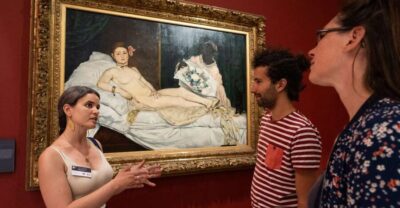
Musée d’Orsay Skip-the-Line Tour with Expert Guide
Read our review →
The Musée d’Orsay Guided Tour Orsay Museum Semi-Private 6ppl Max
Read our review →
Louvre & Musée d’Orsay Guided Museum Tour Semi-Private 6ppl Max
Read our review →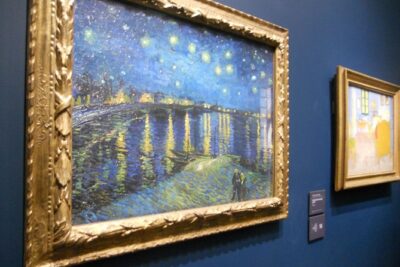
Orsay Museum – Exclusive Guided Tour (Reserved Entry Included)
Read our review →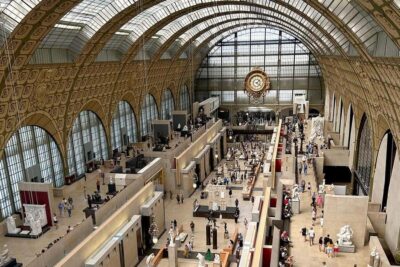
Orsay Museum and Rodin Museum Combo Entry Ticket
Read our review →Browse the lists this tour appears in