
Reviewed · EPERNAY TOURS
From Reims: Champagne and Family-Run Wineries Tour
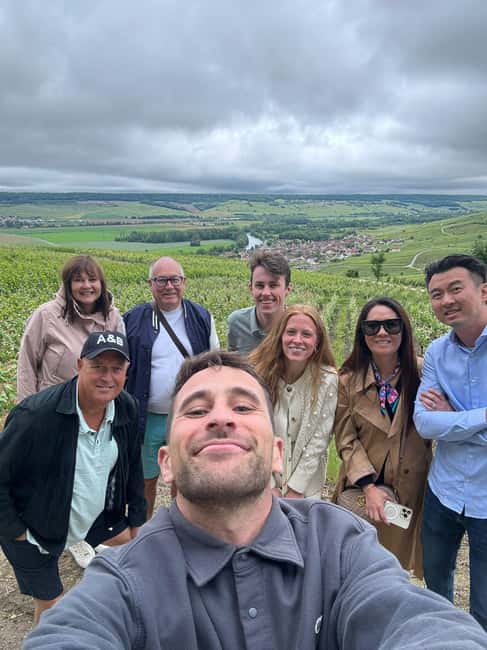
Champagne country is at its best when you leave the grand cellars behind and meet the small growers who make wine on a human scale. This four-and-a-half-hour tour from Reims takes you to two family-run producers, with three tastings at each, plus a stop in Hautvillers and views across the UNESCO-listed vineyards.
I like the small group limit of eight, which makes it easier to ask questions and hear your guide in the cellar. I also like the mix of history and hands-on wine education: you visit the church connected with Dom Pérignon, then see how smaller producers turn grapes into Champagne.
The main thing to consider is the pace. You spend about 90 minutes at each winery, and the drive between stops can feel long if you want a quick, tasting-heavy outing. The cellars are also cool at about 10°C, so bring a jacket.
Key points to know before booking
- Six Champagnes are included: You taste three wines at each of two family-run wineries.
- Hautvillers adds the historical heart: The 45-minute stop includes the village church where Dom Pérignon is buried.
- Local guides make the difference: Guides including Chloe, Etienne, Jerome, Anne, Julie, Susanne, and Thomas explain both production and local life in English.
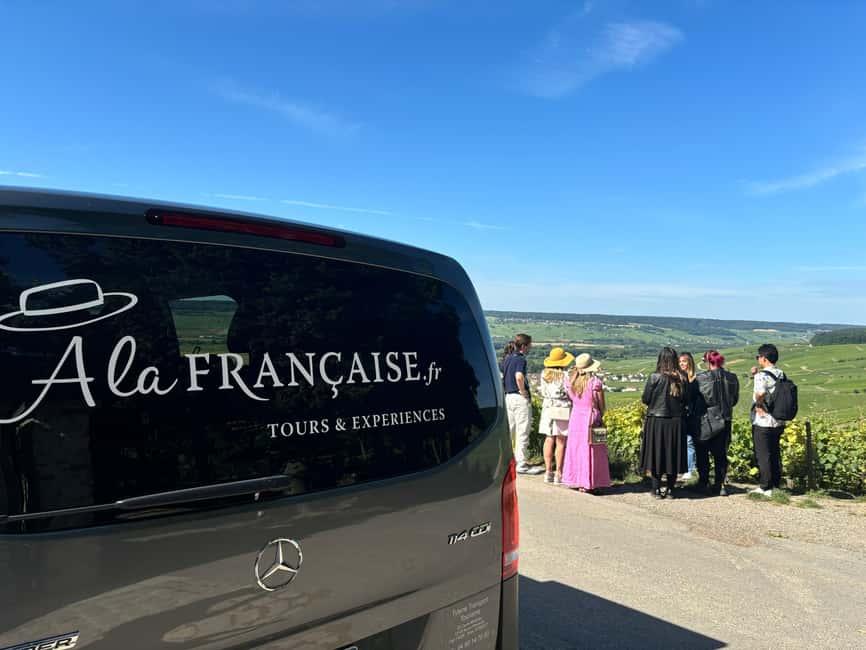
- The group stays small: The minivan carries no more than eight participants, though a full vehicle can feel a little snug.
- The tour runs from 2:00 pm to 6:30 pm: It begins and ends at the Reims Centre train station tourist office.
- This is for adults and older children: Children under 12 are not permitted, and the tour is not suitable for wheelchair users.
Why small family wineries change the Champagne experience
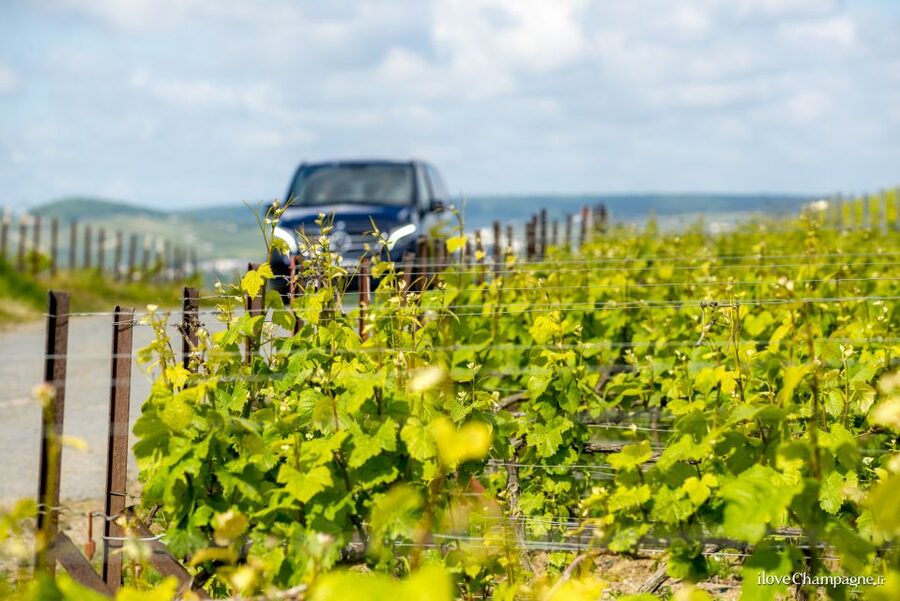
Reims is famous for its major Champagne houses, but the region is also home to many smaller growers who produce, bottle, and sell their own wines. That is the focus here. Instead of spending the afternoon in a grand branded visitor center, you visit two independent producers and taste wines that you may not see in an ordinary shop.
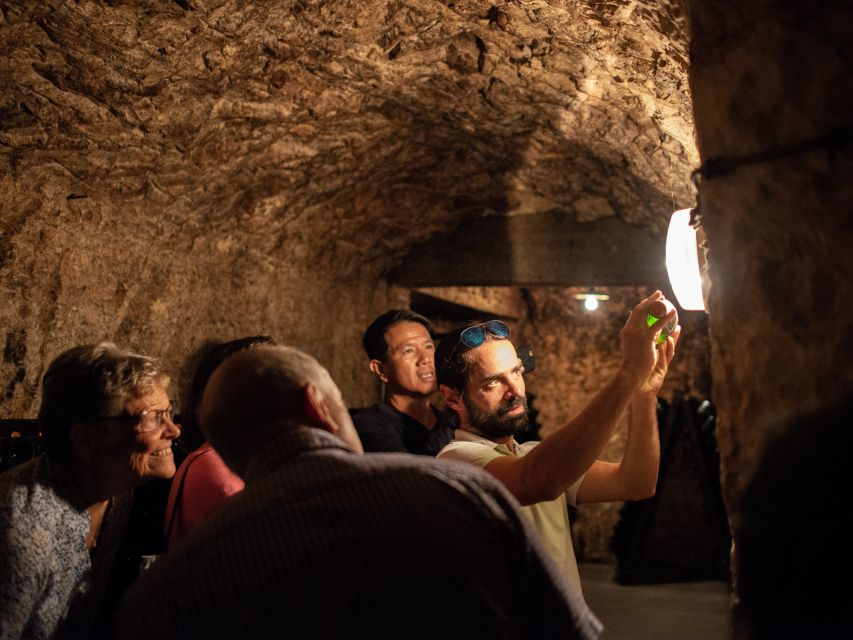
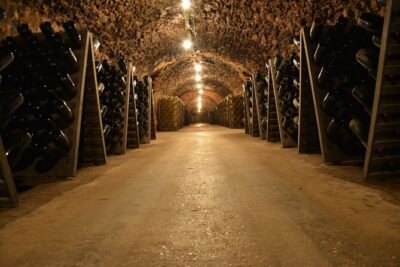
That difference matters. A large house can explain Champagne production with polished displays and a set route. A family-run winery gives you a closer look at the working side of the business. You may see production equipment, storage areas, barrels, or underground cellars, depending on the day and the producer. The tour information confirms visits to the wineries and their cellars, while past outings have included explanations of how still wine becomes sparkling wine and how carbon dioxide is created inside the bottle.
Your guide handles the explanation in English. This is useful because Champagne production has its own vocabulary and a few technical steps that are easy to confuse. You learn about grape growing, fermentation, blending, bottle aging, and the traditional method without having to piece together fragments from a tasting-room speech.
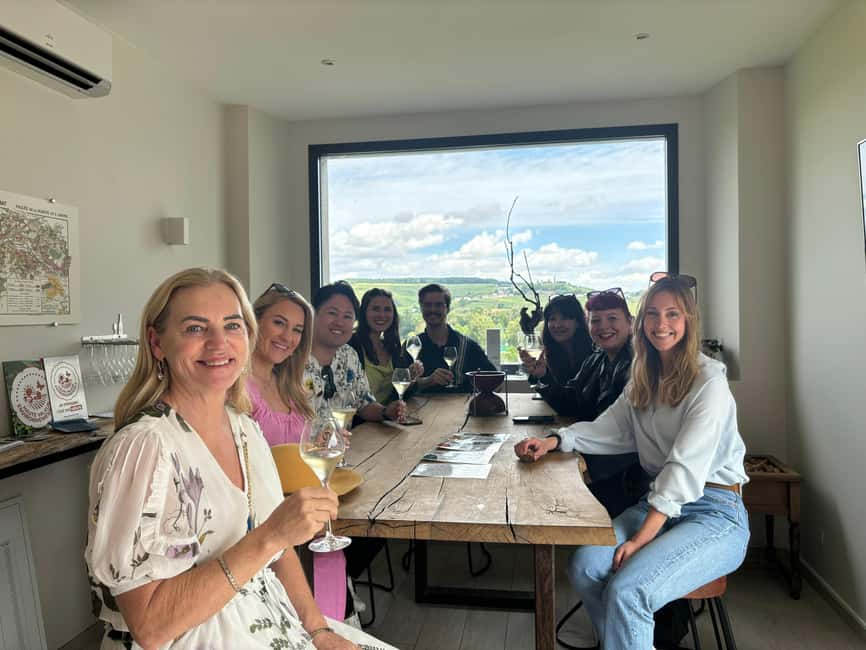
The six tastings also give the afternoon a clear purpose. Three wines at one producer and three at another let you compare house styles, grape blends, sweetness levels, and age. I would pay attention to how the same broad Champagne method can produce very different results in different family cellars.
More wine tastings in Epernay:
- Champagne: Champagne Tasting Class with Lunch
★ 4.9 · 384 reviews - The Essential Tour from Epernay with Champagne Tasting
★ 4.9 · 120 reviews - Champagne Tasting Class and Lunch near Epernay
★ 5.0 · 53 reviews
Starting at Reims Centre at 2:00 pm
The meeting point is outside Reims Centre train station, in front of the tourist information office. When you leave the station, follow the exit marked Reims Centre and look for the tourist office in the station forecourt.
This is a practical starting point if you are visiting Reims by train. The tour includes pickup and drop-off at this central point, so you do not need to arrange a taxi to a distant departure site. Hotel pickup is not included, however. If you are staying elsewhere in town, allow enough time to walk or make your own way to the station.
Transportation is by air-conditioned minivan. The small vehicle suits the narrow village roads and vineyard routes better than a large coach. It also keeps the group together, which helps when the guide is explaining the region during the drive.
A full group of seven or eight can feel cramped, especially on a longer transfer. One participant specifically found the newer van a little tight when full. That is a fair trade-off for the small-group format, but if personal space matters greatly to you, keep this in mind.
Hautvillers and the church of Dom Pérignon
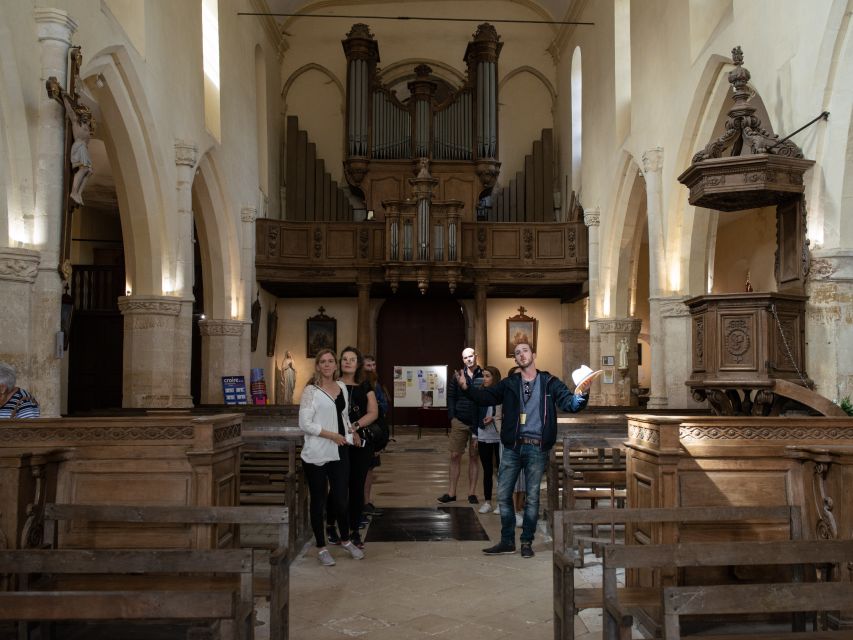
Hautvillers is the historical center of the afternoon. The village is associated with Dom Pérignon, the Benedictine monk whose name became linked with one of Champagne’s most famous labels. You visit the church where he is buried and have time to look around the village for about 45 minutes.
The stop is not a long guided walking tour, so do not expect every lane and building to receive a full explanation. Its value is in the setting and the connection to Champagne’s past. You get out of the minivan, stretch your legs, see the church, and stand among the vineyard slopes that helped make this area famous.
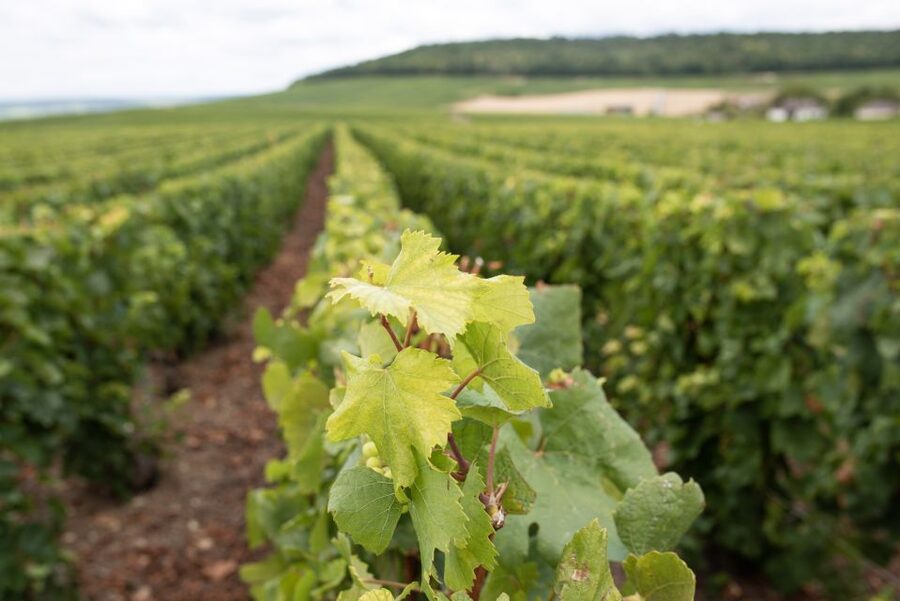
The surrounding views are one of the pleasant surprises of the tour. The route passes through Champagne vineyards, including a UNESCO-listed wine-growing area. Depending on the season and weather, you might see neat rows of vines, bare winter stems, spring growth, or grapes close to harvest. Some departures have included unusual mist over the vineyard plots, while others have offered clear views and easy walks.
Bring comfortable shoes. The stop is not described as a strenuous hike, but village streets and winery floors are better handled in practical footwear than in thin-soled dress shoes. A jacket is just as important inside the cellars as outside on a cool afternoon.
The first 90-minute winery visit
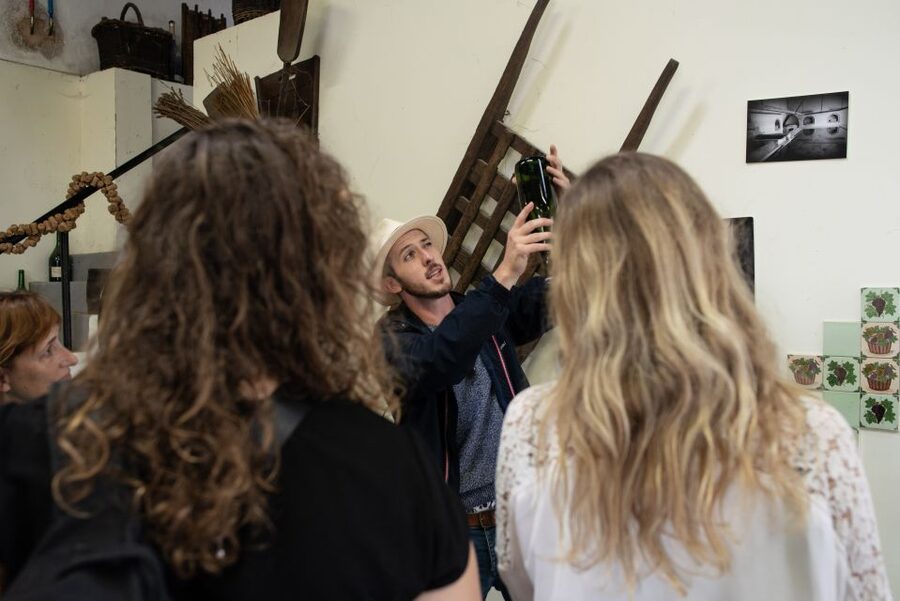
The first winery visit lasts about an hour and a half. This is more than a quick pour at a counter. The time allows the guide to explain how Champagne is made and gives you room to taste three wines without rushing from one glass to the next.
The exact producer can vary, and that is part of the point. You are visiting small family operations rather than a single large brand with a fixed public route. The scale may feel more personal, and you might meet the owners or people directly involved in making the wine.
Listen for the details that separate Champagne from ordinary white wine. The base wine is made first, then a second fermentation takes place in the bottle. That creates the bubbles, while extended time on the lees helps shape the wine’s texture and flavor. Your guide can also connect the technical process to the practical work in the vineyards, including pruning, cultivation, testing, and harvest.
The three tastings should be treated as a set rather than three unrelated drinks. Notice how the wines differ in aroma, acidity, body, and finish. If you are new to Champagne, you do not need expert tasting language. Simply compare which wine feels lighter, fuller, drier, fruitier, or more suited to food.
A few other Epernay half-days to compare
- Aÿ-Champagne: Pressoria Champagne Museum with Tasting
★ 4.7 · 239 reviews - Aÿ-Champagne: Champagne House Tour and Tasting Class
★ 4.9 · 209 reviews - Champagne experience with a vintage van from Epernay – 3 hours
★ 5.0 · 108 reviews - From Epernay : Bubble Champagne Tour 6 tastings
★ 4.7 · 108 reviews
Six glasses, two producers, and a useful comparison
The second winery visit follows a similar 90-minute format, with three more tastings. This is where the tour earns much of its $147 price.
That cost includes transport, an English-speaking guide, entrance fees, two winery visits, and six tastings. Buying six glasses separately, hiring a car or taxi into the countryside, and arranging private visits would quickly add up. You also avoid the problem of driving after tasting.
Value depends on what you want. If your goal is simply to drink Champagne, the price may feel high. If you want an organized route through the countryside, explanations of production, access to two small producers, and a guide who can translate the region’s history and wine terms, the package is more convincing.
The second tasting also helps you make a better buying decision. You may prefer the style at the first producer, or you may discover that the second offers a more appealing balance of sweetness and acidity. Bottles can be purchased at the wineries, and one outing included help arranging bottle collection back in Reims. Do not assume that every departure will handle purchases in exactly the same way, but you can ask your guide about transport and collection if you decide to buy.
Pace yourself. Six tastings over the afternoon is not an enormous amount for a wine tour, but it is enough to affect you, especially if you have not eaten. Lunch is not included, and the tour begins at 2:00 pm. Eat beforehand and drink water when it is available.
Guides who know the region personally
The strongest part of this experience is the guide. Names that have led recent departures include Chloe, Etienne, Jerome, Anne, Julie, Susanne, Thomas, Martin, Aiden, and Juliet. The company assigns the guide, so you cannot choose a particular person, but the repeated praise for their local knowledge, clear English, humor, and warmth is encouraging.
Chloe is described as especially good at balancing technical information with jokes. Etienne is known for explaining Champagne with energy and patience. Jerome has a strong rapport with the winery contacts and explains the production process clearly. Susanne and Anne have also been praised for their understanding of the region and their ability to make the afternoon both informative and relaxed.
Those personal connections matter at small wineries. A guide who knows the growers can make the visit feel less like a sales stop and more like an introduction to local producers. You still have the chance to buy bottles, but the central focus is learning what you are tasting and why each house makes its wines in a particular way.
English ability is generally strong, though one participant felt a guide’s pronunciation could be improved. That is a minor consideration, not a reason to avoid the tour, but it is fair to remember that guides vary.
What the four-and-a-half-hour schedule feels like
The advertised duration is 270 minutes, from 2:00 pm to 6:30 pm. The published timing gives about 90 minutes at each winery and 45 minutes in Hautvillers, leaving roughly 45 minutes for driving and transitions.
This makes the tour a good fit for a half-day in Reims. You still have the morning for the cathedral, the city center, or a museum, then spend the afternoon outside town. The return to the same train station also makes the schedule convenient for a day trip, although you should avoid booking a very tight onward train.
The drives are part of the experience because they carry you through the vineyard country. Still, this is not a rapid circuit. If you want to visit several villages, photograph every viewpoint, and linger over lunch, you will find the schedule too fixed. The tour offers a guided introduction rather than a leisurely private day in the countryside.
The 6:30 pm return time is approximate in the practical sense that traffic, winery timing, and group movement can affect a day. Book trains with care and allow a buffer after the scheduled return. The operator is not responsible for train booking errors or a missed connection, and the tour is not refundable for those reasons.
Who should book this Champagne tour
I would choose this outing if you are staying in Reims and want to see the vineyards without renting a car. It is particularly good for first-time visitors who want the production process explained in plain English and who prefer small growers to major commercial houses.
It also suits couples and small groups who enjoy comparing wines. The six tastings give you enough range to form an opinion, while the two producers show that Champagne is not one uniform product.
The tour is less suitable if you dislike confined vehicles, cannot comfortably walk through village or cellar settings, or want a luxury private experience. Children under 12 cannot join, animals are not allowed on shared tours, and wheelchair users cannot be accommodated.
Weather should not decide the booking by itself. Rain can make the vineyard stop less comfortable, but the wineries and cellars provide the main structure of the afternoon. In good weather, the outdoor views are naturally better, and summer may give you the most pleasant conditions for walking around Hautvillers.
Practical details that make the day better
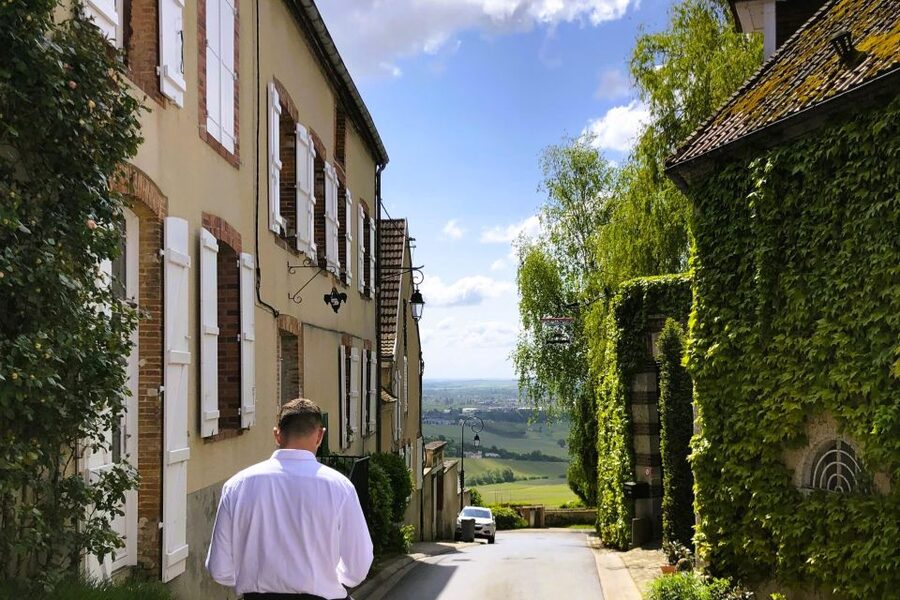
Wear comfortable shoes and bring a jacket for the 10°C cellars. Even on a mild day, the underground spaces can feel cold after the warm minivan ride.
Have lunch before departure because food is not included. Personal expenses, extra drinks, and hotel transfers are also outside the price.
The tour requires at least two participants. If only one person books, the operator may contact that customer to arrange a new date or issue a full refund.
Cancellation is flexible up to 24 hours before departure, and you can reserve now and pay later. Train planning is the exception to that flexibility. Book SNCF or Trainline tickets early for better fares, but leave enough time around the tour rather than trying to connect immediately at 6:30 pm.
My verdict: a strong introduction to grower Champagne
I would book this tour if you want an efficient, personal introduction to the Champagne countryside from Reims. The combination is well chosen: two independent wineries, six tastings, Hautvillers, Dom Pérignon’s church, and vineyard views, all without the stress of driving.
The $147 price is reasonable for the transport and access included, especially for a small group of no more than eight. The best value comes from the guide’s explanations and the chance to compare two family producers rather than simply collecting tasting glasses.
Choose another option if you want a private vehicle, a full-day route, a meal, or more time in each village. For most first visits, though, this is a practical way to get beyond Reims, understand what is in your glass, and return to the city by early evening.
FAQ
Where does the Champagne tour begin?
It begins outside Reims Centre train station, in front of the tourist information office at Cour de la Gare, 51100 Reims. Use the exit marked Reims Centre when leaving the station.
What time does the tour start and finish?
The tour starts at 2:00 pm and is scheduled to return to the Reims Centre train station tourist office at 6:30 pm.
How long is the activity?
The total duration is 270 minutes, or four and a half hours.
How many wineries will I visit?
You will visit two family-run Champagne wineries. Each visit lasts about one and a half hours.
How many Champagne tastings are included?
Six tastings are included, with three signature Champagnes served at each winery.
Is transportation included?
Yes. Transportation between the meeting point and the wineries is provided in an air-conditioned minivan. Reims pickup and drop-off are included, but hotel transfers are not.
Is the tour conducted in English?
Yes. A live English-speaking local guide leads the tour.
Is Hautvillers part of the tour?
Yes. You spend about 45 minutes in Hautvillers, including a visit to the church where Dom Pérignon is buried.
What should I bring?
Bring comfortable shoes and a jacket. The average temperature in the cellars is about 10°C.
Can children or wheelchair users join?
Children under 12 are not permitted, and the tour is not suitable for wheelchair users. Animals are also not allowed on shared tours.
Just listed in Epernay
- Champagne Munoz Bruneau : Half Day Visit and Tasting★ 5.0 · 50 reviews
- Champagne Vineyard Experience: Delve into the terroir★ 4.4 · 52 reviews
- Champagne Munoz Bruneau : Half Day Visit and Tasting★ 4.9 · 53 reviews
- Champagne Tasting Class and Lunch near Epernay★ 5.0 · 53 reviews
- Bubble Champagne Tour from Epernay (Small group half day tour)★ 5.0 · 58 reviews
- The Connoisseurs from Epernay (Private Half day Champagne Tour)★ 5.0 · 59 reviews
- Discovery tour (2 tastings)★ 5.0 · 77 reviews
- From Epernay: Champagne Small-Group tour with tastings & Lunch★ 5.0 · 93 reviews
Epernay Tours, compared.

The Essential Tour from Epernay with Champagne Tasting
Read our review →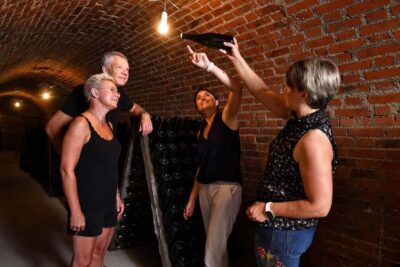
Champagne experience with a vintage van from Epernay – 3 hours
Read our review →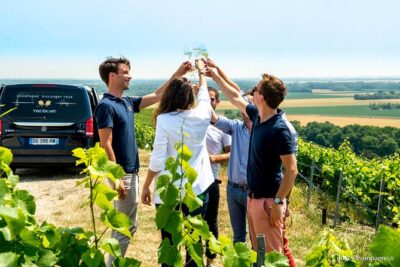
Champagne Small-Group tour with tastings & Lunch
Read our review →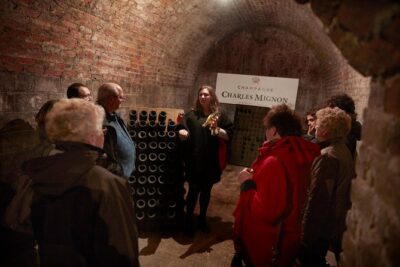
Browse the lists this tour appears in