
Reviewed · DIJON TOURS
Dijon: La Cave du Palais Burgundy Wine Tasting Experience
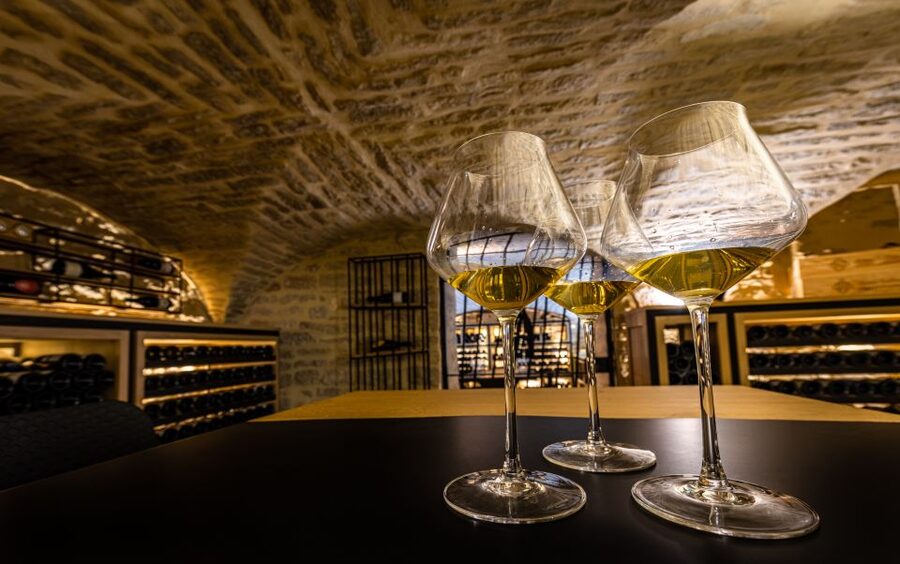
La Cave du Palais gives you Burgundy wine in its proper setting: a 15th-century vaulted cellar beneath a hotel in central Dijon. Over 90 minutes, you taste six wines while your guide explains how a vineyard’s place, local soil, and the wine’s age shape what ends up in your glass. It is a useful choice if you want Burgundy context without arranging a full day in the countryside.
I like the small groups, capped at eight, because the session feels like a conversation rather than a lecture. I also like the range of bottles, which can run from regional appellations up to Grand Cru, so you can compare Burgundy’s levels side by side. The main drawback is practical: this is a cellar tasting, not a visit to working vineyards, and the setting is not suitable for wheelchair users, children, pregnant women, or anyone under 18.
Key points at a glance
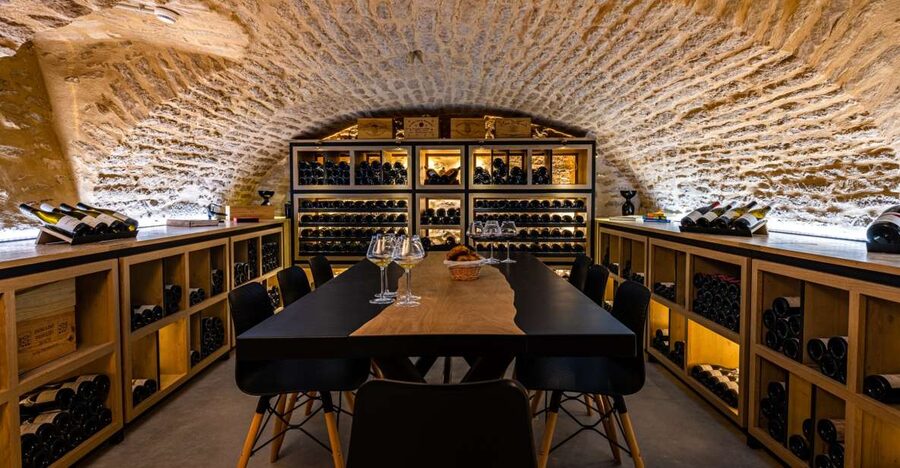
- Six Burgundy wines in 90 minutes: Expect a guided tasting built around comparison, not just six unrelated pours.
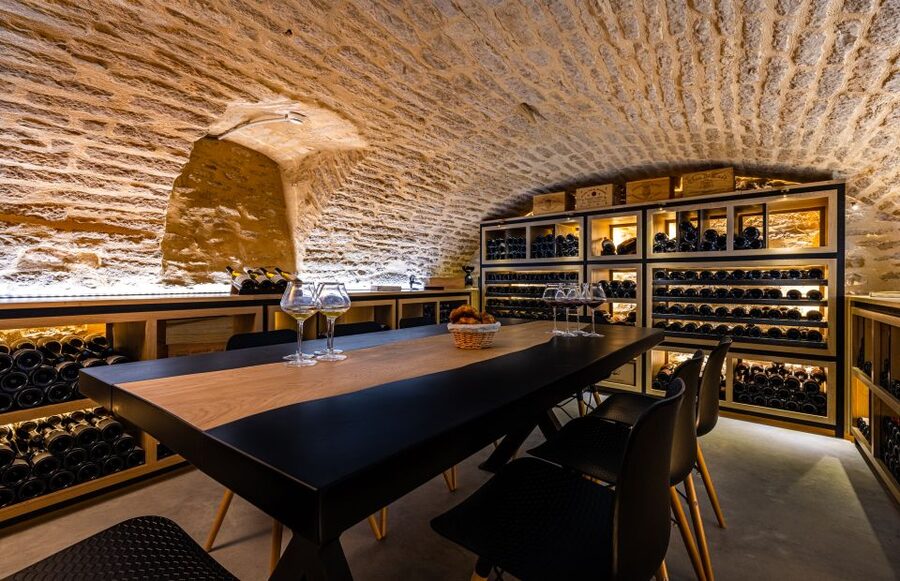
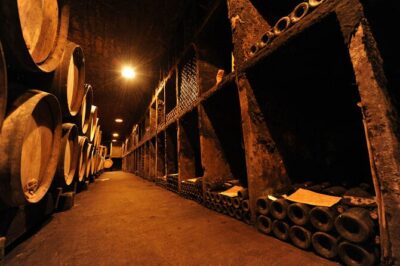
- A memorable Dijon setting: The tasting takes place in the original underground cellar of Hotel du Palais.
- Small-group conversation: With no more than eight participants, you have a good chance to ask questions and follow up.
- Regional to Grand Cru bottles: The selection introduces different appellation levels and the way Burgundy names its wines.
- English and French guidance: Hosts including Antoine, Leo, Robin, Prune, Rafael, and Sebastian have led sessions in the available languages.
- Easy city-center stop: La Cave du Palais is about a five-minute walk from Place de la République, so no car is needed.
Entering the old cellar beneath Hotel du Palais
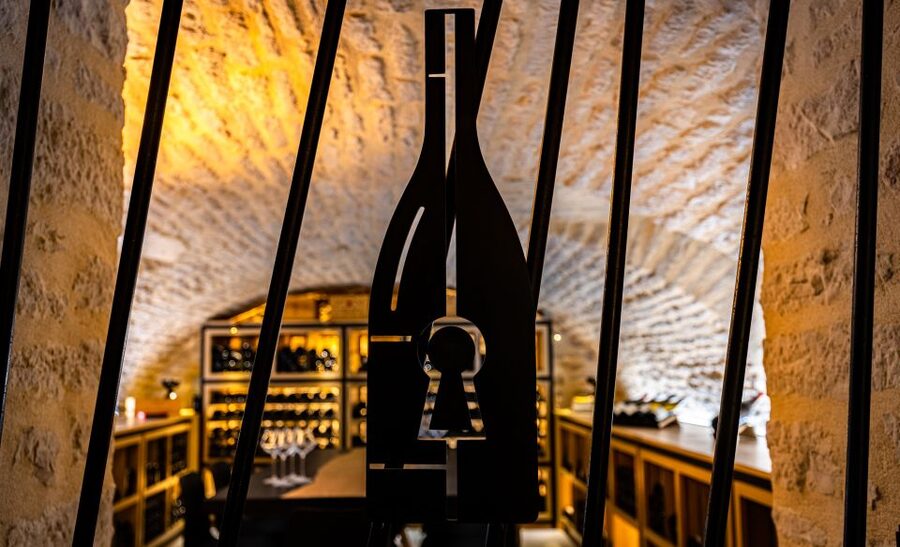
The experience starts at La Cave du Palais, inside Hotel du Palais in Dijon. From Place de la République, the meeting point is roughly a five-minute walk, making this a simple addition to a day of sightseeing. You do not need a taxi or a rental car, and you can fit the tasting into an afternoon or evening in town.
The cellar is the star of the first few minutes. It is an old underground space with stone vaults and a cozy, carefully designed tasting room. Several sessions have taken place in a cellar described as dating to the 15th century, giving the experience a sense of place that a modern wine bar cannot match.
I would arrive a little early so you can find the hotel and settle in before the first bottle opens. The information supplied does not promise a cellar tour in the sense of exploring many rooms or underground passages, so think of this as a tasting held in a historic cellar rather than a long architectural visit.
The room’s atmosphere also helps set the tone. This is not presented as a formal luxury ritual where you need to know the right vocabulary. The best sessions are relaxed, friendly, and open to questions, with the cellar providing the mood while the guide handles the technical side.
More wine tastings in France:
- Bordeaux: Cité du Vin Entry Ticket and Wine Tasting
★ 4.6 · 3,885 reviews - Montmartre Hill French Gourmet Food and Wine Tasting Walking Tour
★ 5.0 · 2,588 reviews - From Paris: Loire Valley Castles Day Trip With Wine Tasting
★ 4.6 · 1,727 reviews
Six wines that explain Burgundy by comparison
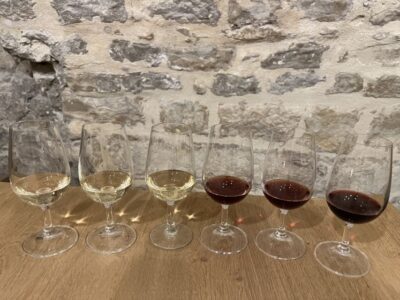
The tasting includes six wines from Burgundy. The point is not simply to sample six good bottles. Your guide uses the lineup to show how wines from different parts of the region can vary in style, quality, and price.
You can expect bottles representing several appellation levels, from regional wines to Grand Cru. The exact bottles are not specified in advance, and that is worth keeping in mind if you are hoping to taste a particular producer or village. The strength of the format is the range rather than a guaranteed label.
Some sessions have included three red and three white wines. Other tasting details may vary, and one participant reported tasting seven wines, but the advertised format is six. I would plan around six pours and treat any extra as a bonus, not as part of the promise.
The selection gives you a practical way to compare Burgundy’s two main wine colors. You can pay attention to how the guide describes the differences, then test those ideas in the glass. Even if you normally choose wine by grape variety or brand, this tasting introduces the Burgundy habit of paying close attention to where the wine comes from.
That regional focus matters here. Burgundy is famous for the way place and appellation guide a bottle’s identity. The session helps you see why two wines from the same broad region can taste different and why a bottle’s name may tell you more about its location than about a familiar grape label.
Climates, aging, and the meaning of place
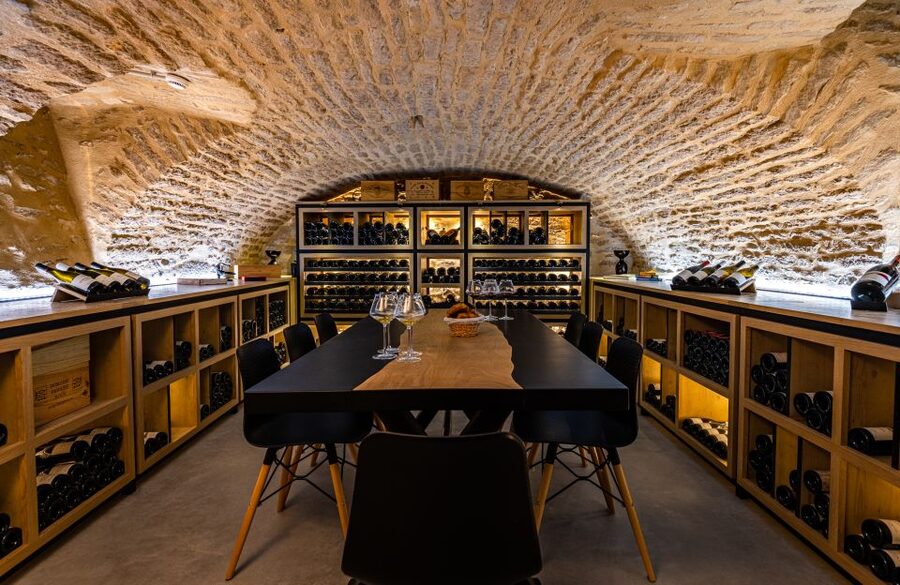
One of the most useful parts of the experience is the discussion of Burgundy’s climates. In Burgundy, the word refers to defined vineyard sites and the local conditions linked to them. During the tasting, your guide connects those differences to the wines in front of you.
You learn how geography, soil, and the specific location of the vines can affect taste. The lesson becomes much easier to understand when you can compare several wines rather than hear a list of terms in isolation. You may not leave able to identify every appellation blind, but you should have a clearer idea of what the labels are trying to tell you.
A second theme is aging. Your guide explains why the year a wine was produced matters and how time can affect its qualities. This gives you a better framework for thinking about vintage, maturity, and the difference between a bottle intended for early drinking and one that may change with age.
The session also covers Burgundy’s classification system, including the move from regional designations through more specific property or area names to Grand Cru. The goal is not to force you to memorize a hierarchy. It is to help you understand why appellation appears so prominently on Burgundy bottles and why prices can vary so sharply.
I especially like this teaching method because it turns abstract wine talk into a tasting exercise. If you ask questions, the guide can adapt the discussion to your interests. The format has worked well for people who know little about French wine, but it also has enough detail for wine drinkers and even people working in the wine trade.
The guides make the difference
The quality of the session depends heavily on the host, and the available guide names include Antoine, Leo, Robin, Prune, Rafael, and Sebastian. Their styles may differ, but the common thread is strong command of Burgundy wine and a willingness to explain rather than show off.
Antoine has been praised for a relaxed presentation, good humor, and an ability to answer difficult questions. Leo has led sessions that moved beyond Burgundy into wider wine comparisons. Robin is associated with lively explanations of the region, while Prune has hosted in excellent English and offered useful Dijon restaurant suggestions.
You may receive the presentation in French, English, or a mix of both. The hosts are described as fluent enough in English to handle mixed French and English groups, and one session also accommodated English, French, and Spanish. Still, the official languages are French and English, so multilingual support beyond those is not guaranteed.
The strongest feature is the interactive style. You can ask about a particular bottle, a term on a label, or the difference between two pours. The small group helps here. With a maximum of eight people, the guide has more room to slow down, redirect the conversation, or answer individual questions than on a large bus tour.
That intimacy can cut both ways. If you prefer to sit quietly and listen, a small group may feel more personal than necessary. If you enjoy discussing wine with strangers, it is a plus. Sessions have included groups of only two, five, or other small numbers, so the atmosphere can range from private and focused to pleasantly social.
A few other France half-days to compare
- Paris: Seine Cruise & Crepe Tasting near the Eiffel Tower
★ 4.4 · 11,231 reviews - Authentic Parisian Gourmet Food Tour with 10 Local Dishes & Wines
★ 5.0 · 4,754 reviews - Normandy D-Day Small-Group Day Trip with Omaha Beach, Cemetery & Cider Tasting
★ 5.0 · 2,786 reviews - Paris: Illuminated Evening River Cruise & Waffle Tasting
★ 4.1 · 2,697 reviews
Why the 90-minute format works
Ninety minutes is long enough to give the six wines proper attention but short enough to fit around a city itinerary. I would use it as a late-afternoon activity, a first-night introduction to Dijon, or a break between sightseeing and dinner.
The timing also keeps the lesson focused. A full vineyard day would give you more countryside and production detail, but it would require transport, more hours, and a larger time commitment. This tasting gives you a compact introduction while you remain in Dijon’s center.
Do not expect to visit the vines, see a winery in operation, or watch production. Those are real omissions if your main interest is agriculture or cellar work. The tradeoff is convenience: you get a broad introduction to Burgundy without leaving the city.
The six pours also call for a little common sense. Eat before or after the experience, take your time, and avoid scheduling something that requires you to drive afterward. The activity is only for people over 18, and alcohol is the central focus rather than a small sample beside another attraction.
Is $64 a fair price?
At $64 per person, the tasting is not a cheap glass of wine with a short explanation. You are paying for six tastings, a live guide, and access to a historic cellar in the middle of Dijon. The price makes the most sense if you value instruction and want to understand why Burgundy wines differ, not just sample them.
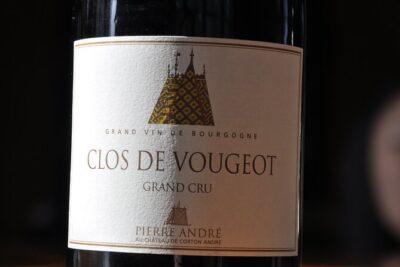
The range up to Grand Cru is important when judging value. Grand Cru bottles can be costly, and the chance to taste across appellation levels lets you explore wines that could be expensive to order individually. The exact selection changes, so do not book solely on the assumption that a particular famous bottle will appear.
The experience also saves you the cost and effort of arranging separate visits in the countryside. If you have only a day or two in Dijon, the city-center location lets you get a meaningful introduction without spending half your day on transport.
There are limits. Extra tastings are not included, and any bottle purchases are separate. Buying wine is optional, so you can enjoy the session without feeling obliged to take something home. If your priority is quantity, a casual bar may offer more glasses for less money. If your priority is learning and comparison, this is a stronger use of your budget.
Who will get the most from this tasting?
I would recommend La Cave du Palais to first-time Burgundy drinkers who want a clear foundation before visiting vineyards or shopping for bottles. It is also a good fit for experienced wine drinkers who want to sharpen their understanding of appellations and place.
The format suits couples, solo visitors, and small groups of friends. The limited group size makes it easier to ask questions, and the international mix can add a social element without turning the event into a loud party.
It is particularly useful on your first day in Dijon. The guide may be able to point you toward local food or restaurants, and understanding the region’s wines can make later meals more rewarding. A few participants have received Dijon dining suggestions during the conversation, including advice on traditional local dishes.
I would not choose it for children or a family group with minors, since everyone taking part must be over 18. It is also not suitable for pregnant women or wheelchair users. The cellar setting may be less convenient for anyone who has trouble with underground spaces or uneven access, though the supplied information only specifically rules out wheelchair access.
Practical details before you book
La Cave du Palais is in Hotel du Palais, about a five-minute walk from Place de la République in central Dijon. The location is one of the experience’s practical strengths, especially if you are staying in the old center and want to avoid a car.
The experience lasts 90 minutes, with starting times based on availability. It includes six wine tastings and live commentary. Extra tastings are not included, and the activity is limited to adults over 18.
Pets are not allowed. Wheelchair users, pregnant women, and children under 18 should choose another Dijon activity.
You can cancel up to 24 hours before the start for a full refund. A reserve-now, pay-later option is also available, which helps if your Burgundy plans are still shifting.
Since the group is limited to eight, I would book ahead if your schedule is tight. The small size is not just a marketing detail. It is central to the question-and-answer style that makes this tasting more useful than a standard bar flight.
Should you book La Cave du Palais?
Book this experience if you want Burgundy explained through six real tastings, in a historic Dijon cellar, with a guide who can answer questions in French or English. It offers a lot in 90 minutes and works especially well when you do not have time for a vineyard excursion.
Skip it if you want to walk among the vines, visit several producers, or spend a full day in the countryside. You should also pass if you are looking for a casual, inexpensive drink rather than a guided lesson.
For most adult wine lovers spending time in Dijon, I think the combination of location, small group, varied appellations, and clear teaching makes the $64 worthwhile. It gives you the vocabulary and context to order Burgundy with more confidence, then sends you back into the city ready for dinner.
FAQ
Where does the Dijon wine tasting take place?
It takes place at La Cave du Palais inside Hotel du Palais in central Dijon, about a five-minute walk from Place de la République.
How long does the experience last?
The tasting lasts 90 minutes.
How many wines are included?
Six wine tastings are included. The selection can range from regional appellations to Grand Cru wines.
Is the tasting available in English?
Yes. The activity is offered in French and English, and the guides can host mixed-language groups.
How many people are in each group?
The group is limited to eight participants.
Who can take part?
Participants must be over 18. The activity is not suitable for children under 18, pregnant women, or wheelchair users.
Can I cancel or pay later?
You can cancel up to 24 hours in advance for a full refund. A reserve-now, pay-later option is also available.
Just listed in France
- Paris: Giverny & Versailles Small Group or Private Tour★ 4.5 · 49 reviews
- Half-Day Walking Food Tour in Nice with Lunch★ 5.0 · 49 reviews
- Chartres Cathedral 5 Hours Tour from Paris with Private Transport★ 4.5 · 49 reviews
- Marseille: Frioul Archipelago Catamaran Cruise with Lunch★ 4.4 · 49 reviews
- Paris: Louvre photoshoot or Seine bridges Eiffel Tower walk★ 5.0 · 49 reviews
- Bonifacio: sunset catamaran trip and aperitif★ 4.6 · 50 reviews
- Paris: Choux Pastry and Chocolate Éclair Making Class★ 4.9 · 50 reviews
- Private tour of the Champagne area, meet local producers and taste their Champagne, start from your hotel in Paris.★ 5.0 · 50 reviews
Dijon Tours, compared.
Small-Group Full-Day Tour of Côte de Nuits, Côte de Beaune Vineyards and Beaune Historical District
Read our review →
Half Day Tour of the Cote de Nuits Vineyards from Dijon
Read our review →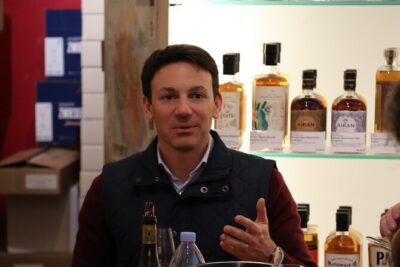
Small group Burgundy tour of Beaune with Wine Tasting from Dijon
Read our review →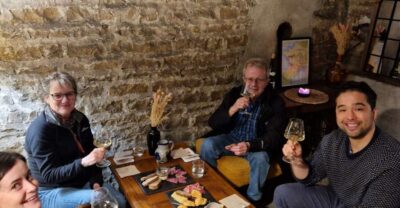
Browse the lists this tour appears in