
Reviewed · DIJON TOURS
Pinot Noir Masterclass – Wine tasting in Dijon
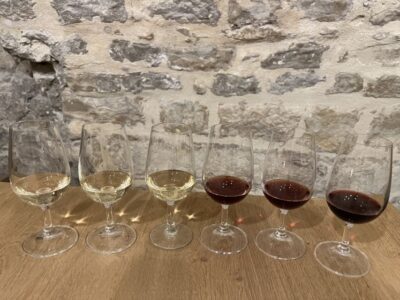
Burgundy’s famously complex wine system becomes much easier to grasp when you taste four wines in order, from Village appellation to Grand Cru. This 45-minute Dijon masterclass gives you that useful progression without requiring a full day in the vineyards.
I like the compact format and the chance to ask questions directly to a local wine merchant. I also like that the guides explain geography, terroir, appellations, and tasting technique rather than simply pouring four glasses. The main drawback is the setting: you taste in the back of a working wine shop, where space can be tight and seating may be limited.
- Four Burgundy wines in one clear progression: Compare the region’s main classification levels, from Village to Grand Cru.
- A practical first lesson in Pinot Noir: Learn how to taste, not just what to drink.
- English-speaking guides: Sessions may be led by Mattéo, Emily, Adrien, Pierre, or Valentin.
- Small group size: The maximum is six people, giving you a better chance to ask questions.
- Central Dijon meeting point: Start at 1 Bis Rue Musette at 5:00 pm and finish at the same address.
- Wine shop atmosphere: Expect an informal, sometimes cramped tasting rather than a quiet lounge.
Four Burgundy appellations in 45 minutes
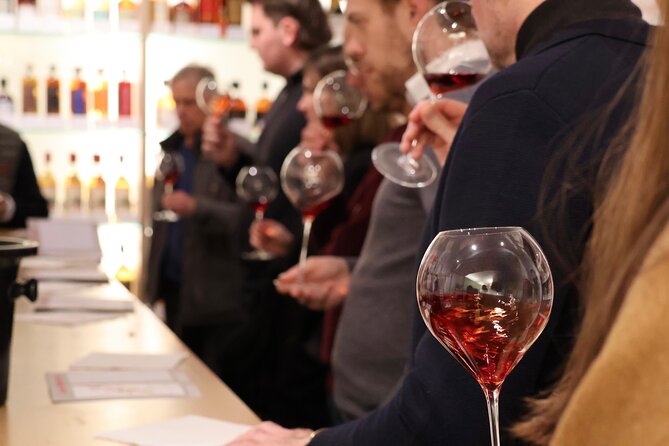
The best feature here is the order of the tasting. You are not simply handed four unrelated Burgundy reds. The wines are presented across the regional hierarchy, moving from Village level toward Grand Cru, so you can think about how place, vineyard status, and classification affect what is in your glass.
That structure matters because Burgundy can seem confusing at first. Names on the bottle often refer to a village, a vineyard, or a larger district, and the prices can rise sharply as the classification rises. Tasting the levels side by side gives you a basic map before you visit wineries in the Côte d’Or.
The focus is Pinot Noir, the grape behind almost all Burgundy red wine. You will learn how the grape expresses local soil and geography, along with the language used to describe Burgundy’s Climats. These are precisely defined vineyard parcels, not just broad wine regions.
The class is short, but it is not empty of information. A good guide can pack in the essentials: how to look at a wine, smell it, taste it, and connect its character to where it was grown. The strongest sessions appear to do exactly that, with explanations of terroir and regional geography woven into each pour.
Starting at 1 Bis Rue Musette in Dijon
The meeting point is 1 Bis Rue Musette, in central Dijon. You should allow enough time to find the shop and arrive ready for a 5:00 pm start. The activity ends back at the same place, so there is no second location to navigate after the tasting.
This is a useful stop early in a Burgundy trip. Dijon gives you an urban base, while the vineyards south of the city can feel much harder to understand if you have not yet learned the basic terms. A short introduction here can make later visits to wineries more rewarding because you will recognize the difference between a Village wine and a higher classification.
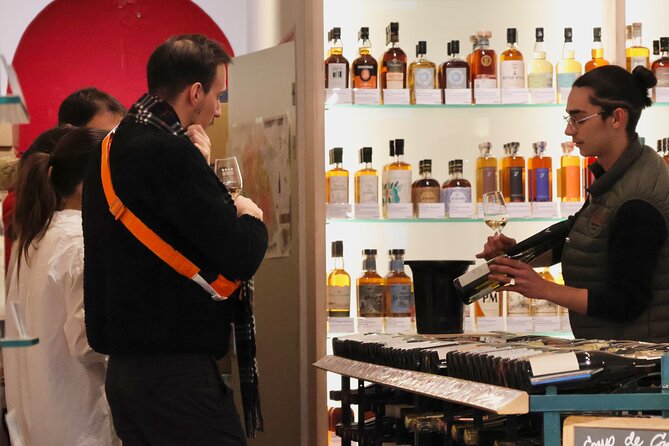
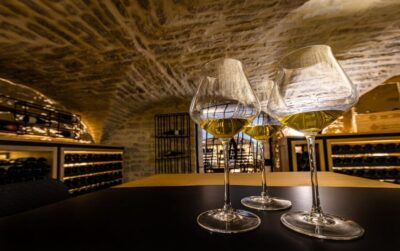
The shop itself is part of the experience. You are tasting in a real wine merchant’s premises rather than in a purpose-built tasting salon. That means bottles, stock, and ordinary shop activity may be close by. It also means you are in a place where the staff work with Burgundy wines every day and can point you toward bottles to explore afterward.
The atmosphere is informal and active. I would not book this expecting hushed music, armchairs, or a long meal with elaborate pairings. No food is included, and the tasting is built around the wines and the explanation.
More wine tastings in France:
- Bordeaux: Cité du Vin Entry Ticket and Wine Tasting
★ 4.6 · 3,885 reviews - Montmartre Hill French Gourmet Food and Wine Tasting Walking Tour
★ 5.0 · 2,588 reviews - From Paris: Loire Valley Castles Day Trip With Wine Tasting
★ 4.6 · 1,727 reviews
The first pour: understanding the Village level
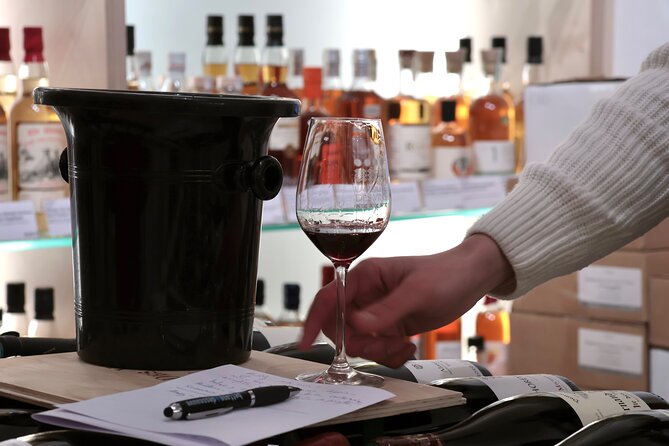
The tasting begins with the lower end of the Burgundy classification used in this session, the Village appellation. This is an important starting point because it gives you a reference for the wines that follow.
You will be introduced to the idea that Burgundy is organized around place. A Village wine comes from grapes connected to a named village and its surrounding appellation area. It is not simply a basic version of a Grand Cru. It reflects a broader zone, while the higher levels point to more specific and highly regarded vineyard sites.
This first glass helps you pay attention to structure, fruit, acidity, and finish without getting lost in grand claims. The guide may ask you what you smell or taste, then explain how those impressions relate to the wine’s origin. That makes the lesson useful even if you are new to wine.
I especially like this part for anyone who normally feels unsure at a tasting. You do not need an impressive vocabulary. The point is to compare, notice, and ask questions. The guide’s job is to give those observations some order.
Moving upward through Burgundy’s classification
The next wines show how Burgundy’s hierarchy becomes more specific. The tasting works best when you compare the glasses directly rather than treating each one as a separate lecture.
You will hear about the four broad levels represented in the tasting: Regional, Village, Premier Cru, and Grand Cru. The supplied details specifically describe the progression from Village to Grand Cru, while the class also introduces the region’s four-tier system. The purpose is not to make you memorize every appellation. It is to help you understand why a bottle labeled with a particular village or vineyard can command a different price.
Geography plays a major role in the presentation. One highly praised part of the teaching is the explanation of how location affects wine. In Burgundy, small changes in slope, exposure, soil, and vineyard boundaries can matter greatly. The word terroir is often used loosely, but here it is tied to actual places and classifications.
The guides also discuss Burgundy’s Climats, the named vineyard parcels that form part of the region’s UNESCO World Heritage identity. That connection gives the tasting cultural weight without turning it into a history lecture. You are learning why Burgundy treats individual vineyard sites with such care.
Reaching the Grand Cru comparison
The Grand Cru wine provides the high point of the tasting. It is not just the most expensive or prestigious label in the lineup. It gives you a chance to test what the classification means in sensory terms.
You may notice a change in concentration, length, balance, or detail, though the exact wines can vary. I would avoid arriving with the idea that the Grand Cru must be your favorite. Taste preference and classification are not the same thing, and a Village wine may seem more immediately appealing to some palates.
The value of this pour is comparative. A Grand Cru tasted alone can be difficult to place. After the earlier wines, you have a set of reference points. You can ask yourself what has changed and whether the difference seems meaningful to you.
That is where the session becomes more than a quick sampling. It gives you a way to evaluate Burgundy wines later, instead of relying only on price or reputation. You may also leave with a clearer sense of what you want to buy.
A few other France half-days to compare
- Paris: Seine Cruise & Crepe Tasting near the Eiffel Tower
★ 4.4 · 11,231 reviews - Authentic Parisian Gourmet Food Tour with 10 Local Dishes & Wines
★ 5.0 · 4,754 reviews - Normandy D-Day Small-Group Day Trip with Omaha Beach, Cemetery & Cider Tasting
★ 5.0 · 2,786 reviews - Paris: Illuminated Evening River Cruise & Waffle Tasting
★ 4.1 · 2,697 reviews
The guides: Mattéo, Emily, Adrien, Pierre, and Valentin
The experience is led by members of the wine shop team. Mattéo, Emily, and Adrien are named as the main possible hosts, while Pierre and Valentin have also led sessions.
The teaching style appears to be one of the strongest parts of the class. Pierre is praised for patient explanations, a professional manner, and a good sense of humor. Mattéo is described as especially enthusiastic about teaching. Adrien brings his role as a wine merchant and Ambassador of the Climats of the Burgundy Vineyard into the discussion, while Emily has also hosted informative and relaxed sessions.
Valentin is associated with explanations of the wines, regional history, and useful places to stop in Burgundy. The exact guide matters less than the fact that this is not a scripted audio presentation. You have a person in front of you who can respond to questions.
Because guides vary, the tone may vary too. Some sessions may move quickly and pack in many facts. Others may feel more conversational. If you have a particular interest, such as buying bottles, visiting wineries, or understanding labels, ask about it during the tasting.
A working shop, not a formal tasting room
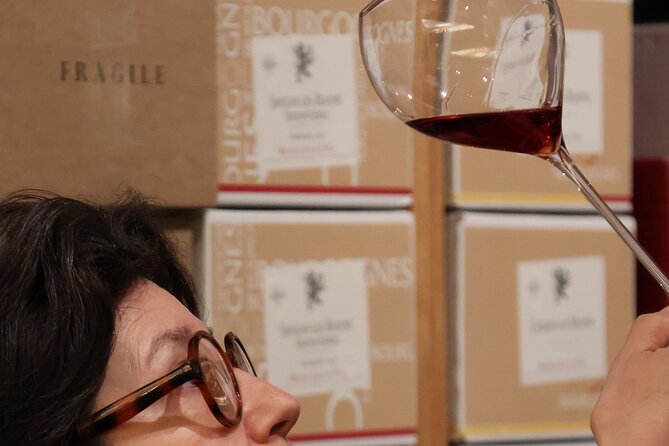
You should set your expectations carefully. The tasting area is at the back of the wine shop, and space can be cramped. At times, regular shop activity may continue around you. Bottles and stock can be nearby, and you may feel that you are standing in an active retail space rather than sitting in a dedicated room.
Seating is the main comfort concern. One account describes standing throughout the session, while the provider says chairs can be supplied and that staff now make an effort to provide them. The safest advice is to ask for a chair when you arrive if you need one. Do not assume a seat will already be waiting.
This arrangement has a downside, but it also has a benefit. You are tasting in the same place where Burgundy bottles are selected and sold. If a wine catches your attention, you can ask about it immediately and possibly buy a bottle for later.
The shop setting also keeps the event connected to daily life in Dijon. It is less polished than a luxury tasting room, but it feels more like meeting a local wine merchant at work. For me, that tradeoff is acceptable at this price, as long as you value information over comfort.
What the $42.34 price buys you
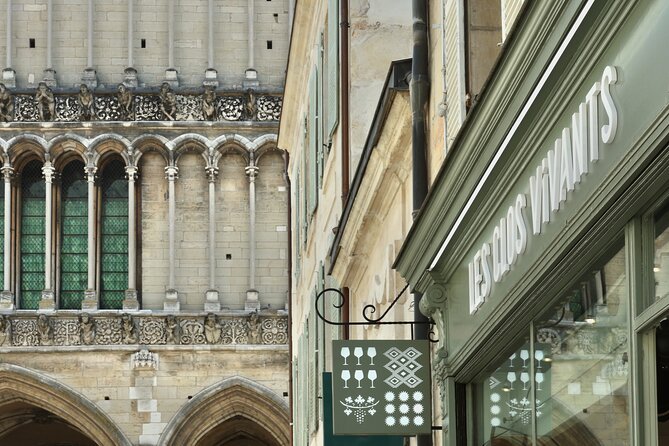
At $42.34 per person, the price is reasonable for a short Burgundy introduction, but the value depends on what you want.
You receive four Burgundy wines and guided instruction in English. That works out to a focused lesson rather than a full meal, vineyard visit, or winery tour. Food is not included, so plan to eat before or after if you need more than wine.
The strongest value comes from the comparison. Four wines from different classification levels can help you understand Burgundy more quickly than reading a page of definitions. If you are about to spend money on bottles or visit several wineries, this first orientation may prevent confusion and help you ask better questions.
The price is less compelling if you want a relaxed social evening with generous pours and a long sit-down format. The session lasts about 45 minutes, and the setting may require standing. You are paying for access to four wines and a concentrated explanation, not for a leisurely night out.
The small maximum of six people improves the value. A small group makes it easier to hear the guide and ask questions, especially during a short session. It also means the experience may feel more personal than a large commercial tasting.
Who should book this Dijon tasting
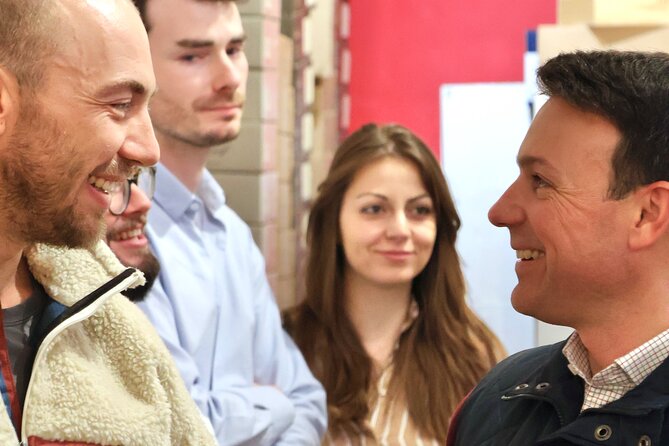
I would choose this masterclass if you are new to Burgundy wine or want a quick introduction before heading into the vineyards. It is particularly useful before a week of winery visits because you will already know the basic classification terms and have tasted the levels in sequence.
It also suits people with limited time in Dijon. You do not need to arrange transport to the Côte d’Or, and the tasting begins and ends at one central address. The 5:00 pm start can fit neatly into an afternoon of sightseeing, though you should confirm your own schedule before booking.
This is a good choice for curious beginners, couples, small groups, and anyone who wants a clear explanation rather than a performance. The guides use the wines to explain Burgundy, so even someone who knows little about French wine can follow along.
I would think twice if you have mobility concerns and need guaranteed seating. The available information indicates that chairs can be provided, but the area is small and the seating arrangement is not presented as a formal feature. Contacting the provider in advance would be sensible.
Experienced Burgundy drinkers may also find the lesson basic. The class is designed as an introduction. Its strength is clarity, not exhaustive coverage of every village or vineyard.
Buying bottles after the tasting
Because the class takes place in a wine shop, you can continue the lesson by looking at bottles afterward. You are not required to buy anything, but the setting makes it easy to connect the tasting with a purchase.
This is where the four-wine format becomes practical. If you prefer the Village wine to the Grand Cru, that tells you something useful about your own taste and budget. If the higher classification makes a clear impression, you can ask how to find similar wines without paying Grand Cru prices.
One especially appealing local touch is the possibility of discovering Dijon’s cassis liqueur. It is not one of the four Burgundy wines included, and you should not assume it forms part of the standard tasting. Still, the shop carries local specialties, and cassis can be an appealing reminder that Burgundy offers more than Pinot Noir.
The best approach is to treat any purchase as a follow-up to the lesson, not as part of the ticket. Ask questions about the bottle, its appellation, and how it compares with what you tasted.
Timing, language, and booking advice
The activity is offered in English, and confirmation is sent when you book. It is popular enough that people often reserve about 22 days ahead, so I would not leave it until the last minute if the 5:00 pm time is important to your plans.
The maximum group size is six. Service animals are allowed, and the meeting point is near public transportation. These details make the class fairly easy to fit into a Dijon itinerary.
Free cancellation is available if you cancel at least 24 hours before the local start time. Cancellations or changes made inside that window are not refunded, so check your schedule before committing.
The experience has a 4.9 rating from 147 reviews, with 98 percent of customers recommending it. One cancellation error did cause a serious problem for a customer, but the provider apologized and offered another date. I would still confirm the appointment if your schedule is tight, especially if you have only one evening in Dijon.
Should you book the Pinot Noir Masterclass?
Book it if you want a concise, useful introduction to Burgundy wine, especially before visiting the Côte d’Or or shopping for bottles. The four-level comparison, small group, English instruction, and central Dijon location make it a strong first step.
Go in expecting a wine shop workshop, not a polished salon. You may stand, regular customers may pass nearby, and food is not included. If those limits are acceptable, the $42.34 price buys something genuinely useful: a clearer understanding of Pinot Noir, Burgundy’s appellations, and the relationship between vineyard site and wine.
FAQ
How long does the Pinot Noir Masterclass last?
The tasting lasts approximately 45 minutes.
What wines are included?
Four Burgundy wines are included. The tasting introduces the classification levels from Village appellation to Grand Cru.
Is food included?
No. The experience includes four Burgundy wines, but food is not included.
Where does the tasting begin?
It begins at 1 Bis Rue Musette, 21000 Dijon, France, and ends back at the same meeting point.
Is the tasting offered in English?
Yes. The experience is offered in English.
What is the cancellation policy?
You can cancel at least 24 hours before the local start time for a full refund. Cancellations or changes made less than 24 hours before the start are not refunded or accepted.
Just listed in France
- Paris: Giverny & Versailles Small Group or Private Tour★ 4.5 · 49 reviews
- Half-Day Walking Food Tour in Nice with Lunch★ 5.0 · 49 reviews
- Chartres Cathedral 5 Hours Tour from Paris with Private Transport★ 4.5 · 49 reviews
- Marseille: Frioul Archipelago Catamaran Cruise with Lunch★ 4.4 · 49 reviews
- Paris: Louvre photoshoot or Seine bridges Eiffel Tower walk★ 5.0 · 49 reviews
- Bonifacio: sunset catamaran trip and aperitif★ 4.6 · 50 reviews
- Paris: Choux Pastry and Chocolate Éclair Making Class★ 4.9 · 50 reviews
- Private tour of the Champagne area, meet local producers and taste their Champagne, start from your hotel in Paris.★ 5.0 · 50 reviews
Dijon Tours, compared.
La Cave du Palais Burgundy Wine Tasting Experience
Read our review →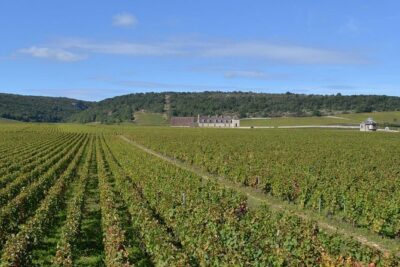
Small-Group Full-Day Tour of Côte de Nuits, Côte de Beaune Vineyards and Beaune Historical District
Read our review →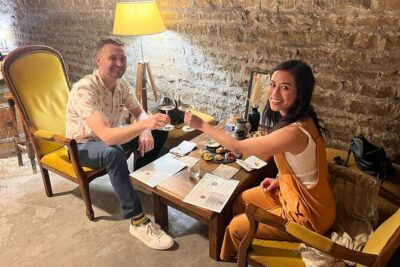
Half Day Tour of the Cote de Nuits Vineyards from Dijon
Read our review →
Small group Burgundy tour of Beaune with Wine Tasting from Dijon
Read our review →
Browse the lists this tour appears in