
Reviewed · MUSEE D ORSAY & ORANGERIE TOURS
Paris: 2-Hour Orsay Museum Masterpieces Guided Tour
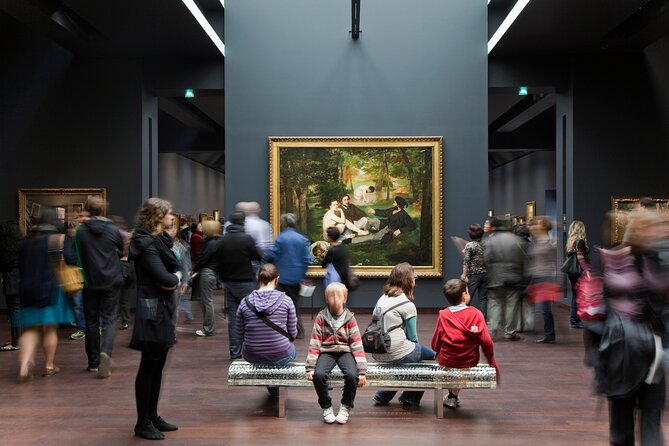
The Musée d’Orsay is packed with famous paintings, but its size can make a first visit feel like an art-history scavenger hunt. This two-hour guided tour takes you straight to the major works and explains why they matter, from Renoir’s Dance at Le Moulin de la Galette to Van Gogh’s view of Arles.
I like the reserved entry, which helps you avoid the regular admissions line, and I like the way the tour links Salon painting, Realism, and Impressionism instead of treating each canvas as an isolated star. Guides such as Anais, Christina, Claire, Romana, and Laurent have received especially warm praise for making the art clear and lively.
The main caution is sound and crowd control. Some groups have waited while headsets were handed out, and a few people found a guide hard to hear. The meeting point can also be confusing, so arrive early and look carefully for the City Wonders representative.
Key points to know before you book
- You see the major Impressionist works in a logical order: The tour explains how French art changed from official Salon painting toward Impressionism.
- Renoir, Monet, Degas, and Van Gogh are central attractions: You get close to famous works and learn to notice brushwork, light, and composition.
- Reserved museum entry saves time: The ticket and reservation fee are included, though security and group assembly still take time.
- You can choose a smaller group: The small-group option has six people or fewer. The larger option may include up to 25.
- The tour ends inside the Musée d’Orsay: You can stay afterward and continue at your own pace.
- English is the tour language: Headsets are supplied when needed, but audio quality has not been perfect for every group.
Why a guide helps at the Musée d’Orsay
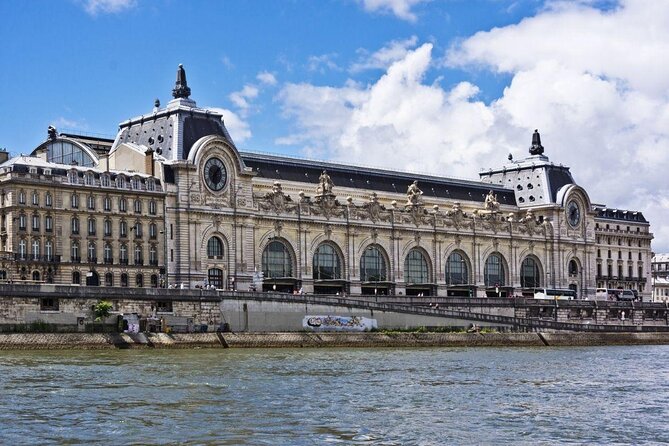
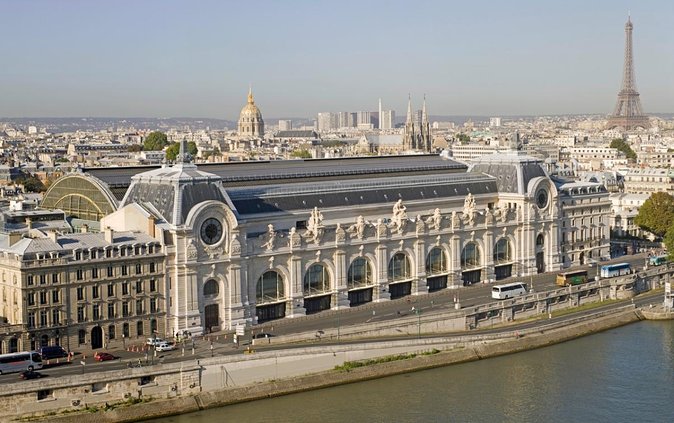
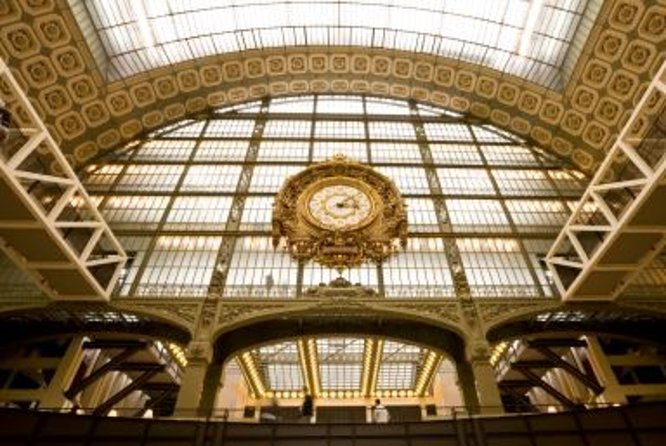
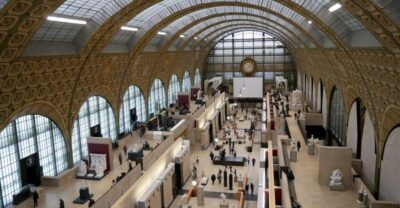
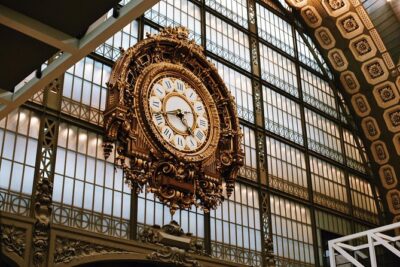
The Orsay is not a small gallery where you can simply stroll from one famous painting to the next. It occupies a former railway station and holds work from several decades, with paintings, sculpture, decorative art, and changing displays spread across the building.
That scale is both the museum’s pleasure and its problem. You can easily spend your visit looking only for the paintings you already know. A guide gives you a route and a story, so you understand how artists broke away from the rules of the French Academy and why their loose brushwork once caused a fuss.
I especially like that this tour is not limited to a list of celebrity names. The better guides explain the artistic argument behind the pictures. You learn what the artists were pushing against, what they borrowed from one another, and how ordinary life became a worthy subject for serious painting.
Anais has been praised for helping people with an untrained eye know what to look for. That is useful here. Instead of hearing only that a painting is famous, you may learn to examine its brushstrokes, cropping, color, or treatment of light.
A few other Paris half-days to compare
- Paris: Musée d’Orsay Entry Ticket and Seine River Cruise
★ 4.6 · 1,344 reviews - Paris: Musée d’Orsay Skip-the-Line Tour with Expert Guide
★ 4.5 · 1,145 reviews - Musée d’Orsay Skip-the-Line Tour with Expert Guide
★ 4.8 · 1,088 reviews
Starting at 5 Rue de la Légion d’Honneur
The meeting point is outside the Musée d’Orsay area at 5 Rue de la Légion d’Honneur, 75007 Paris. The tour finishes at the museum, so you do not need to return to the starting point.
Give yourself extra time to find the guide. The entrance area can be crowded, and the company name may not be obvious enough from a quick glance. One practical clue is to look for the City Wonders representative and the elephant identification mentioned in the meeting instructions. A flag or clear sign is not guaranteed, so do not cut your arrival close.
This is a firm-start kind of tour. The museum visit depends on a timed group entry, and arriving even a few minutes late can cause trouble. The operator’s cancellation terms allow a full refund only when you cancel at least 24 hours before the start time. Changes or cancellations inside that window are not accepted, so avoid booking this for a tight airport transfer.
The museum is near public transportation, and most people can take part. Hotel pickup and drop-off are not included, so you make your own way to the starting point.
Entering the Orsay with reserved admission
The ticket and reservation fee are included in the price. That matters at the Orsay, where the normal entrance process can take time, especially when the museum is busy.
Reserved entry does not mean every minute is spent looking at art. Your group still has to assemble, enter, and collect headsets when they are needed. One larger group lost more than 20 minutes to meeting, regrouping, and equipment, leaving less time in the galleries.
That is the tradeoff with a shared tour. The ticket removes much of the uncertainty at the door, but a group moves at the speed of its slowest member. If you value every minute and can afford it, the group of six or fewer is likely worth considering.
The tour price is about $71.20 per person. For that amount, you are paying for the museum ticket, reservation, and two hours with an English-speaking art historian. It is good value if you want the major works explained and would otherwise pay for admission but wander without a plan.
It is less attractive if you already know the museum well, prefer to read labels quietly, or want to spend half an hour with one painting. The tour gives you direction, not unlimited time at each work.
The route from Salon painting to Impressionism
The strongest part of the tour is the movement through changing art styles. You begin with the official art world, including the Salon and Academy, then follow the gradual shift toward Realism and the Impressionist movement.
This order gives the visit shape. Rather than seeing Renoir as an isolated genius, you can understand the painting as part of a fight over subject matter and technique. Artists began turning away from polished historical scenes and looking at modern streets, cafés, theaters, workers, dancers, and leisure.
The guide also helps you see why Impressionist brushwork drew criticism. Up close, a painting may look like separate marks of color rather than a smoothly blended image. Step back, and your eye combines those marks into light, movement, and atmosphere.
That simple act of moving close and then back is one of the useful lessons of the tour. You are not just being told what to admire. You are given a way to look.
Same city, a completely different afternoon:
- Paris: Louvre Museum Timed-Entrance Ticket
★ 4.6 · 71,977 reviews - Disneyland® Paris 1-Day Ticket
★ 4.6 · 49,412 reviews - Paris: Versailles Palace and Gardens Full Access Ticket
★ 4.6 · 41,579 reviews - Paris: Evening River Cruise with Music
★ 4.4 · 22,721 reviews
Renoir, Monet, Degas, and the pleasure of close looking
Renoir’s Dance at Le Moulin de la Galette is one of the tour’s key stops. It shows a Sunday afternoon in Montmartre, with people talking, dancing, and enjoying a popular leisure spot.
The scene feels casual, but it is carefully constructed. Light filters through the crowd, faces appear and disappear among hats and bodies, and the brushwork keeps the painting lively. Your guide can point out details that are easy to miss when you are simply taking in the overall party.
Monet and the other Impressionists offer a different lesson in changing light and quick observation. At the Orsay, you get the benefit of seeing several artists together, so you can compare their choices rather than treating Impressionism as one fixed style.
Degas adds another angle through his interest in dancers, rehearsal rooms, and unusual viewpoints. His pictures often feel like snapshots, with figures cut by the edge of the frame. A guide can show you how that sense of a fleeting moment is part of the design, not an accident.
The exact works covered can vary with crowd levels and the guide’s route. The stated aim is to show the museum’s true highlights, not every room. If you have a personal must-see, tell the guide early and ask whether it fits the route.
Van Gogh and the road to Arles
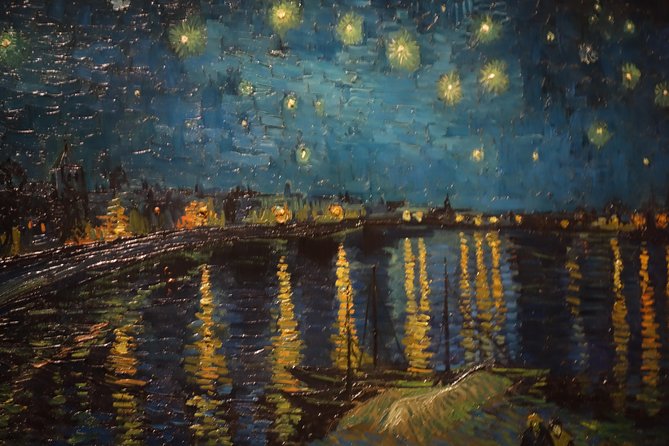
Van Gogh’s famous Starry Night connected with the French city of Arles is another major point of interest. Van Gogh was Dutch, but the painting looks toward the French landscape and the Rhône.
This is a good reminder that the Orsay is not simply a museum of French-born painters. It tells the story of modern art in France and the artists who came to the country, worked there, or responded to its artistic culture.
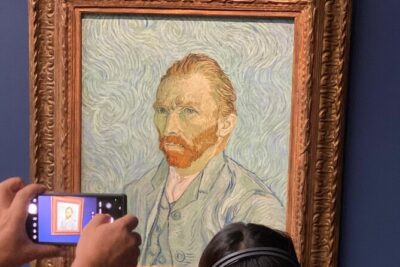
Van Gogh’s thick, visible paint gives you another chance to study surface and movement. You can see how paint itself becomes part of the emotional force of the image. The guide’s job is not to tell you what to feel, but to give you enough context and visual tools to form your own response.
Some people prefer the tour’s historical framing. Others want more time asking what makes each individual picture special. The most successful guides appear to balance both, but your experience depends on the person leading your group.
What the guide quality is really like
Guide quality is the biggest variable in this experience. The best feedback centers on guides who are enthusiastic, clear, and able to tell the story of art without turning the tour into a lecture.
Anais, Christina, Cristina, Claire, Romana, Laurent, Yan, Yen, Tuni, Blerta, and Addie have all been singled out positively in the supplied feedback. Names and assignments can change, so you cannot book a particular guide unless the operator confirms one.
Several guides have been praised for including children, making difficult ideas understandable, and leaving room for questions and photographs. One parent said a seven-year-old found the museum much better than expected, which is a fair test of a guide’s ability to keep the pace human.
There are also clear cautions. A few people had trouble hearing a guide who spoke softly, while another group had poor headset volume and feedback. Accents can also affect comprehension for some English speakers.
If you cannot hear, say so at once. Headsets are provided when necessary, but they are not a guarantee of perfect sound. Stay close enough to the guide to follow gestures and ask for a repeat rather than letting a key explanation pass.
Small group or larger group?
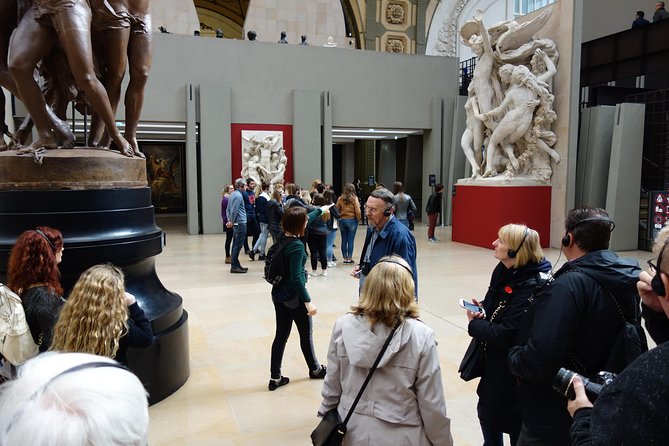
The small-group version is limited to six people or fewer. This is the better choice if you want to ask questions, keep a closer pace, or avoid the stop-and-start rhythm of a large party.
The larger option is listed as up to 25 people, though one group was closer to 30. That larger format can still work with a strong guide and working headsets, but you should expect more regrouping.
A bigger group also has a practical effect inside popular galleries. The guide must find space, wait for people to catch up, and repeat directions. On a busy day, this can make a two-hour booking feel shorter than it sounds.
The small group costs more when that option is available, but the extra money buys attention and flexibility rather than extra museum time. I would choose it for a first Paris visit, a special occasion, or anyone who wants to ask about specific artists.
Staying after the two-hour tour
The tour ends at the Musée d’Orsay, and you can remain inside afterward to continue looking on your own. This is one of the best features for anyone worried that two hours will not be enough.
Use the guided portion to get your bearings and see the headline works. Then revisit a favorite room, find sculptures the group passed quickly, or follow your own interests.
The museum is larger than many first-time visitors expect. One person felt that the two-hour route left more to see, and that is not a flaw so much as a fact. A guided highlights tour is an introduction, not a complete survey of the collection.
You may also want to plan a break. The fifth-floor café has been described as an efficient place for lunch with good food. Food and drinks are not included in the tour price, so treat that as a separate museum stop.
Best time and pace for your visit
The tour lasts about two hours. The supplied information also includes a reference to a 1.5-hour version, so check the exact duration when booking and on your confirmation.
An early 9:45 start may help you avoid the heaviest crowds. One person found the museum became too busy later in the visit and would have preferred a shorter route at that time.
Do not expect to stand at every masterpiece for as long as you like. The guide must keep the group moving, and the Orsay’s most popular rooms can be crowded. The benefit is that you cover the major sections without losing your way.
Wear comfortable shoes and keep your arrival simple. There is no hotel transfer, no included meal, and no return transport. You are responsible for reaching the meeting point and continuing from the museum after the tour.
Who should book this Orsay tour?
I would recommend it most strongly to first-time Orsay visitors, people who want an art-history framework, and anyone who feels unsure how to approach famous paintings.
It also suits return visitors who want a fresh route through the museum. A good guide can connect works you have seen before and explain the shifts between Salon painting, Realism, and Impressionism.
Families can benefit if the guide includes younger members and keeps the story moving. The subject is visual, and the tour does not require prior art training.
You may want to skip it if you prefer complete independence, dislike fixed schedules, or want to spend your entire visit in one small section. You should also think twice about the larger group if hearing is important to you and you have had trouble with tour audio before.
Should you book it?
Book this tour if you want to see the Orsay’s major paintings without spending your first hour finding them, and if you want the artists’ lives and choices explained along the way. The reserved entry, English-speaking art historian, and option to stay afterward give the $71.20 price solid value for many first-time visitors.
Choose the small group if available, arrive well before the meeting time, and confirm the exact meeting instructions. If you need a quiet, slow, highly personal museum visit, go independently instead. For everyone else, this is a practical way to turn a huge collection into a clear two-hour introduction, with time afterward to follow your own eyes.
FAQ
Where does the Musée d’Orsay tour begin?
It begins at 5 Rue de la Légion d’Honneur, 75007 Paris, France.
Where does the tour finish?
The tour ends at the Musée d’Orsay on Esplanade Valéry Giscard d’Estaing, 75007 Paris.
How long does the experience last?
The tour lasts approximately two hours. Check your booking details carefully, since the supplied information also refers to a 1.5-hour option.
Is museum admission included?
Yes. The Musée d’Orsay entrance ticket and reservation fee are included.
Is the tour offered in English?
Yes. The experience is offered in English and includes an English-speaking art historian guide.
How many people are in the group?
The small-group option has six people or fewer. The larger option is listed as having up to 25 people, although group size may vary by departure.
Are headsets provided?
Headsets are provided when necessary so you can hear the guide in the galleries.
Can I stay in the museum after the guided tour?
Yes. The service ends at the Musée d’Orsay, and you can continue exploring on your own afterward.
Is hotel pickup included?
No. Hotel pickup and drop-off are not included.
Can I cancel for a full refund?
Yes, if you cancel at least 24 hours before the experience start time. Cancellations or changes made less than 24 hours in advance are not accepted for a refund.
More Museums in Paris
- Louvre Museum Masterpieces Guided Tour with Access
★ 4.5 · 12,023 reviews - Paris: Louvre Museum Entry Ticket With Host and River Cruise
★ 4.6 · 9,926 reviews - Les Invalides: Napoleon’s Tomb & Army Museum Entry
★ 4.6 · 9,185 reviews - Louvre Museum – Exclusive Guided Tour (Entry Included)
★ 5.0 · 6,296 reviews
More 2-Hour Experiences in Paris
- The Père Lachaise Cemetery: Guided 2-Hour Small-Group Tour
★ 4.7 · 1,065 reviews - Paris: 2-Hour Perfume Creation Workshop
★ 4.8 · 731 reviews - Paris Louvre: 2-Hour Private Tour for Groups or Families
★ 4.6 · 639 reviews - Paris Montmartre: 2-Hour City Tour in German
★ 4.9 · 299 reviews
Just listed in Paris
- Paris: Giverny & Versailles Small Group or Private Tour★ 4.5 · 49 reviews
- Chartres Cathedral 5 Hours Tour from Paris with Private Transport★ 4.5 · 49 reviews
- Paris: Louvre photoshoot or Seine bridges Eiffel Tower walk★ 5.0 · 49 reviews
- Private tour of the Champagne area, meet local producers and taste their Champagne, start from your hotel in Paris.★ 5.0 · 50 reviews
- Paris: Choux Pastry and Chocolate Éclair Making Class★ 4.9 · 50 reviews
- Paris Eternelle Notre-Dame Virtual Reality Tour★ 4.5 · 50 reviews
- Normandy D-Day Landing Beaches Private Day Trip from Paris★ 5.0 · 50 reviews
- Disneyland® Paris 1 Day with Round-Trip Train Tickets from Paris★ 4.0 · 50 reviews
Musee d Orsay & Orangerie Tours, compared.
Musée d’Orsay Entry Ticket and Seine River Cruise
Read our review →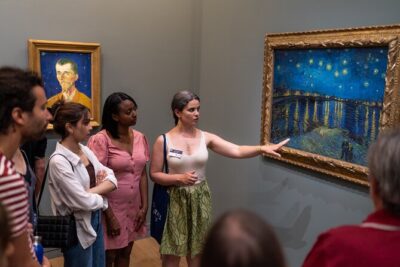
Musée d’Orsay Skip-the-Line Tour with Expert Guide
Read our review →
Musée d’Orsay Skip-the-Line Tour with Expert Guide
Read our review →
The Musée d’Orsay Guided Tour Orsay Museum Semi-Private 6ppl Max
Read our review →
Louvre & Musée d’Orsay Guided Museum Tour Semi-Private 6ppl Max
Read our review →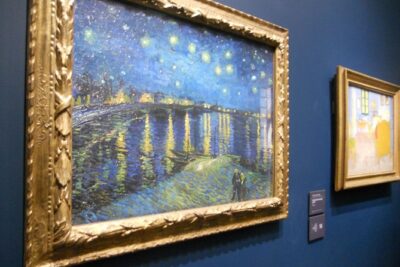
Orsay Museum – Exclusive Guided Tour (Reserved Entry Included)
Read our review →Browse the lists this tour appears in