

Reviewed · MUSEE D ORSAY & ORANGERIE TOURS
Paris: Musée d’Orsay Guided Tour with Skip-the-Line Tickets
The Musée d’Orsay is one of Paris’ most rewarding museums because the building is part of the show. You enter a former train station, pass beneath its vast clock, and then follow a guide through the paintings that changed modern art. The focus is on Impressionism and Post-Impressionism, with major works by Monet, Renoir, Degas, Cézanne, and Van Gogh.
I like two things right away: the separate entrance saves time at a museum where timed entry matters, and a good guide gives you a clear path through a large collection. Guides including Merve, Gabriella, Thibeault, Erlon, Laetitia, and Isabelle have been praised for explaining painting methods, artist stories, and the building’s past. The main drawback is pace: 1.5 hours is enough for a highlights visit, not a full look at the museum.
Key points to know before booking
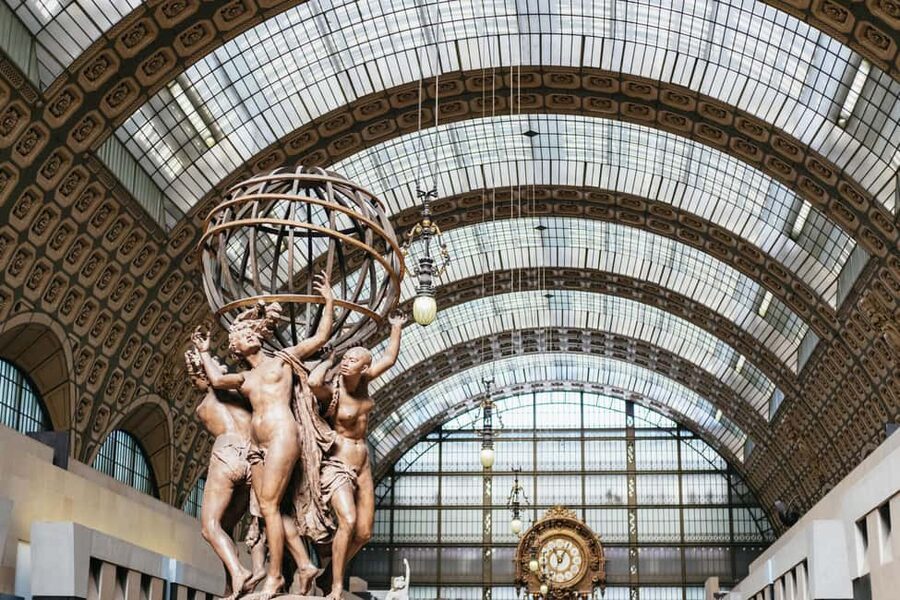
- The former train station is part of the experience: Learn how a grand railway building became one of Paris’ leading art museums.
- The tour centers on Impressionism: Expect works connected with Monet, Manet, Renoir, Van Gogh, Cézanne, and other 19th-century artists.
- You skip the regular ticket line, not every wait: Security can still take up to 15 minutes.
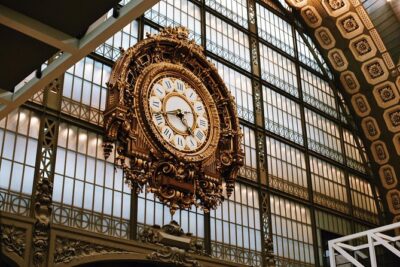
- The clock provides a fine Paris view: Look through one of the old station clocks before or after the guided portion.
- The tour lasts 1.5 hours inside the museum: Extra time is allowed for entry, security, and distributing audio headsets.
- A Louvre add-on is available: The upgrade adds a two-hour afternoon tour covering the Mona Lisa, Venus de Milo, and Winged Victory of Samothrace.
Why the Musée d’Orsay works so well as a guided visit
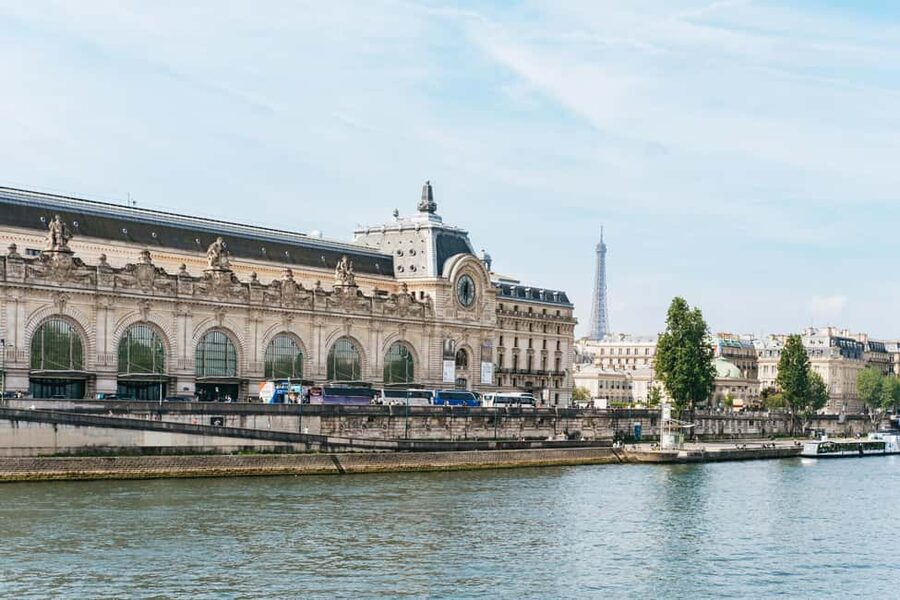
The Musée d’Orsay has a more manageable feel than the Louvre, but it is still too large to understand fully in a quick visit. Its collection covers painting, sculpture, and decorative arts from the 19th century, with special strength in Impressionist and Post-Impressionist art.
That makes a guided tour useful. You do not need to wander from room to room wondering which paintings matter or how they fit together. Your guide selects major works and explains why they caused such a stir when they first appeared.
I particularly like the way this tour connects art with the changing city outside. The paintings show industrial Paris, new urban life, theaters, streets, countryside, and scenes from southern France. The art is not presented as a string of famous names. You get a sense of artists arguing with older rules and finding new ways to show modern life.
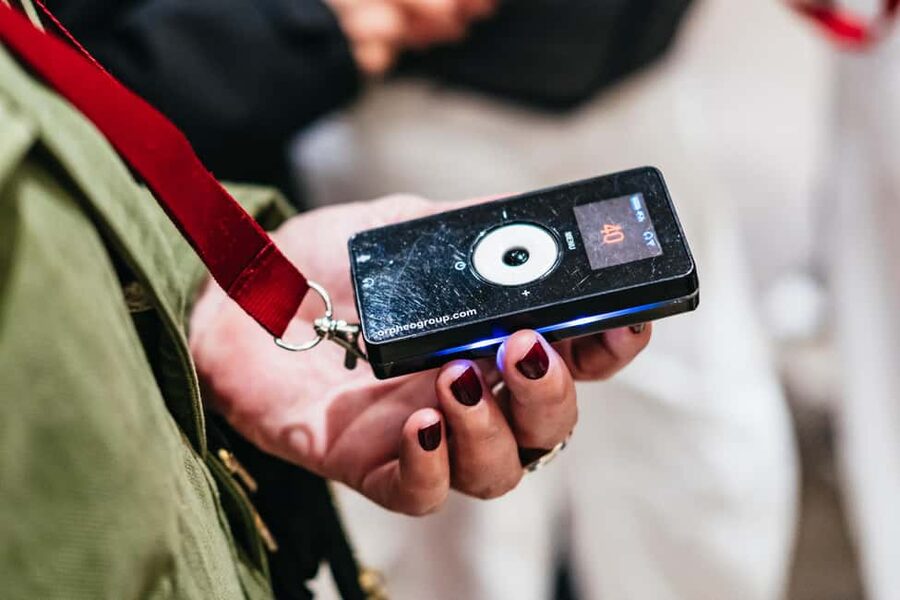
The tour is conducted in English. Audio devices are supplied, which helps when the museum is crowded and you are standing several feet away from the guide. That detail matters here. Several rooms can be noisy, and a small group may spread out around a popular painting.
A few other Paris half-days to compare
- Paris: Musée d’Orsay Entry Ticket and Seine River Cruise
★ 4.6 · 1,344 reviews - Paris: Musée d’Orsay Skip-the-Line Tour with Expert Guide
★ 4.5 · 1,145 reviews - Musée d’Orsay Skip-the-Line Tour with Expert Guide
★ 4.8 · 1,088 reviews
Meeting beside the horse statue
You meet your guide beside the entrance to the Musée d’Orsay, next to the horse statue. Give yourself enough time to find this spot. One visitor had trouble locating the group because there was no obvious branded flag or card, although the guide’s clothing made the person easy to identify once nearby.
The booked time can also cause confusion. The meeting time may be earlier than the moment the museum tour begins, since the group needs to gather, pass through security, and collect headsets. One booking listed 10:15 as the meeting time, with the actual tour beginning at 10:30.
Do not cut this close. If you arrive late, the group booking does not allow the operator to issue an individual replacement ticket. That is a real risk at a major Paris museum, especially if you are coming by Metro or crossing the city from another sight.
Large bags, luggage, tripods, and selfie sticks are not allowed. Small bags and clothing can use the cloakroom service, but you should still arrive with as little as possible. The simpler your arrival, the quicker the group can get inside.
Entering a former railway station
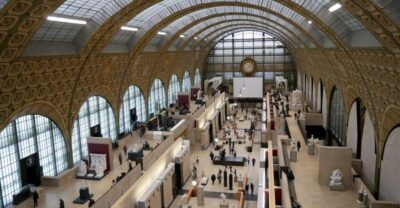
Before the art begins, take a moment to look at the building. The Musée d’Orsay was once a train station and hotel, built for the 1900 Exposition. Its wide central hall, high roof, giant clocks, and long sightlines still give it the feel of a place designed to move crowds.
That setting helps explain the museum’s appeal. You are not entering a plain gallery box. The old station frames the art with a sense of scale and movement, linking the museum to the industrial age that shaped the artists inside.
Your guide explains how the station was transformed into a museum and how the building’s original purpose affected its design. This is one of the most useful parts of the tour because it gives you something to notice between paintings. Look up at the roof, study the clock faces, and pay attention to how the central hall organizes the visit.
One of the best small moments is the view through an old station clock. It offers a memorable look toward Paris and makes a good pause before you settle into the galleries. Bring your camera if you like, but leave the tripod behind.
Following the Impressionist story
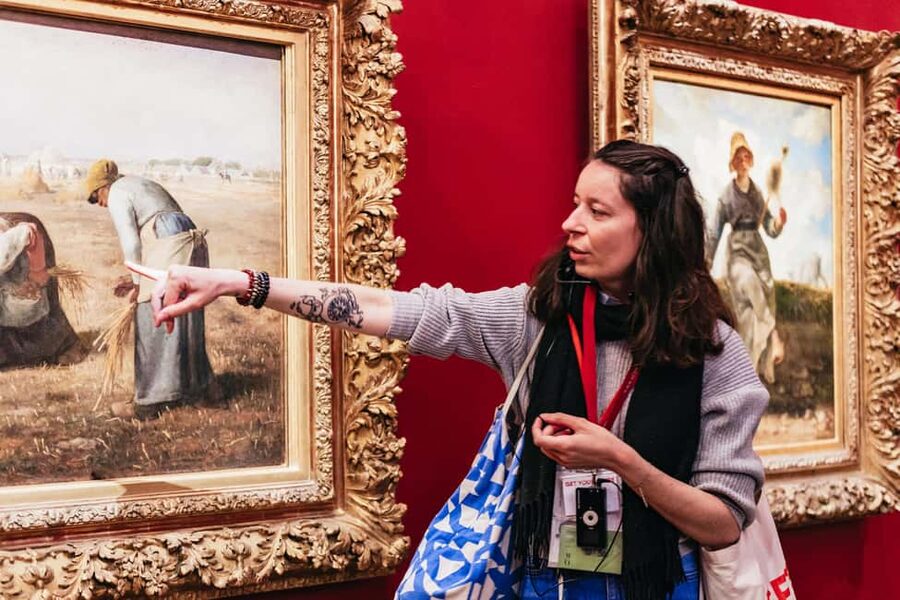
The tour’s main thread is the rise of Impressionism and the work that followed it. Your guide may compare artists, techniques, and subjects instead of treating each painting as an isolated masterpiece.
Monet helps show how light and changing weather became subjects in their own right. Renoir brings a different mood, with attention to people and social life. Manet helps explain the break with accepted standards, while Degas offers another view of modern Paris and its performers.
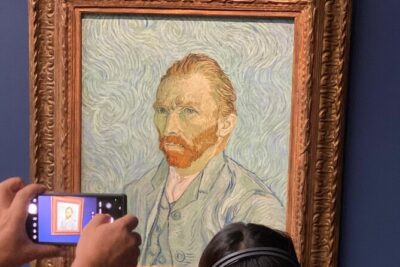
Cézanne, Van Gogh, and Gauguin carry the story toward Post-Impressionism. Their work points in different directions, away from simply copying what the eye sees and toward stronger structure, personal feeling, or unusual color.
The tour also reaches beyond Paris. You may move from industrial streets and city life to the countryside, then toward southern France with Cézanne, Van Gogh, and Monet. Gauguin takes the story farther away still, showing how artists looked beyond familiar European subjects.
I like this broad route because it gives the museum a clear shape. You see art as a series of choices and reactions. The Industrial Revolution changed Parisian society, and the artists responded with scenes that could seem fresh, shocking, or even improper to their first audiences.
Same city, a completely different afternoon:
- Paris: Louvre Museum Timed-Entrance Ticket
★ 4.6 · 71,977 reviews - Disneyland® Paris 1-Day Ticket
★ 4.6 · 49,412 reviews - Paris: Versailles Palace and Gardens Full Access Ticket
★ 4.6 · 41,579 reviews - Paris: Evening River Cruise with Music
★ 4.4 · 22,721 reviews
What the guide adds to the paintings
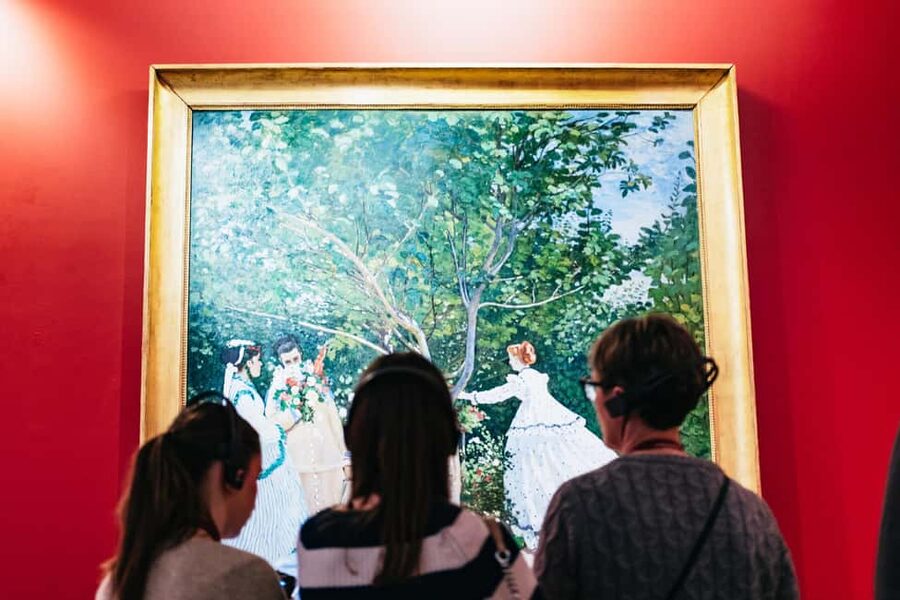
A guided museum visit is only as good as the person leading it. Here, the strongest praise centers on guides who combine art knowledge with a lively way of speaking.
Merve has been singled out for explaining artists, painting techniques, and the stories behind individual works. Gabriella has been praised for covering both the building and the art, while Thibeault used the former station as a starting point for explaining Impressionism. Other named guides, including Erlon, Laetitia, and Isabelle, have been praised for making connections between paintings and selecting a useful number of works.
That last point is important. The best museum guide does not try to lecture at every painting. One strong approach is to spend meaningful time with a limited group of important works, then pause so you can look around before moving on. This tour appears to work best when the guide follows that rhythm.
You should expect interpretation rather than a quiet audio tour. The guide explains what you are seeing, gives background on the artist, and answers questions. The audio device lets you keep listening even when the group is not standing in a tight circle.
The experience can vary with the individual guide and the size of the group. Some visitors found the pace a little rushed or wished for more detail about each painting. If you already have a long list of works you want to study, a self-guided visit may give you more freedom.
Why 1.5 hours is both useful and limiting
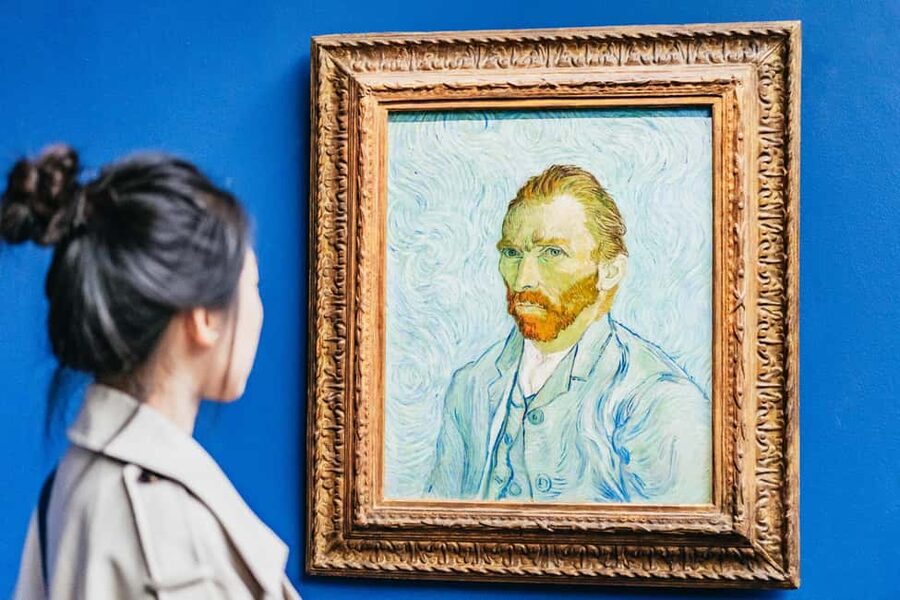
The museum visit inside lasts about 1.5 hours. An additional 30 minutes is allowed for organizing the group, entering, passing security, and setting up the headsets.
That time is well suited to a first visit. You can see major Impressionist and Post-Impressionist works without spending the entire day indoors. The museum itself could easily occupy much longer, especially if you want to examine sculpture, decorative arts, or rooms outside the main route.
Think of this as an introduction, not the final word on the Musée d’Orsay. I would use the tour to get my bearings, learn the main story, and see the famous paintings with context. If I still had time and energy afterward, I would continue on my own.
There is one firm limitation: the tour does not include temporary exhibitions. If a special show is a main reason for your visit, you will need to arrange separate access and allow more time.
Crowds can also affect the experience. Even with a timed ticket and separate entrance, the galleries may be packed, especially around the best-known works. The skip-the-line benefit helps with the front door, but it does not create empty rooms inside.
The clock, the crowds, and the practical details
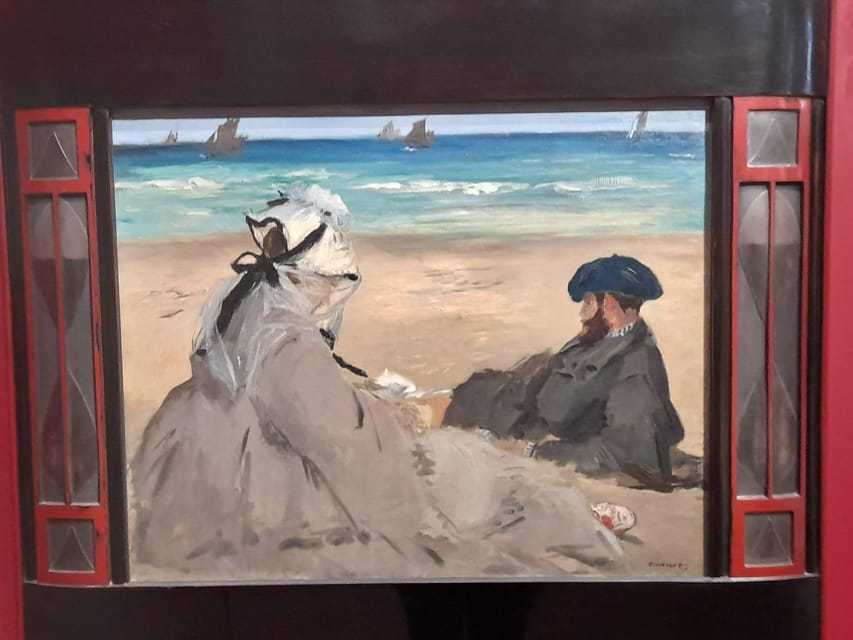
The separate entrance is valuable because it removes one common Paris frustration: waiting in the main ticket line. Still, do not read skip-the-line as instant entry. Security may take up to 15 minutes, and the group must move through together.
I would arrive at least 15 minutes before the meeting time, carrying only a small bag. Wear shoes suited to standing and walking. The tour is not considered suitable for wheelchair users or people with mobility impairments, so check this carefully before booking.
Once you leave the museum, you cannot re-enter on the same ticket. Plan your restroom break, cloakroom visit, and final look at the galleries before walking out.
The cloakroom accepts small bags and clothes, which is handy in cool or wet weather. It does not change the rule about large luggage, so do not arrive with suitcases or bulky travel bags.
Is $55 a fair price?
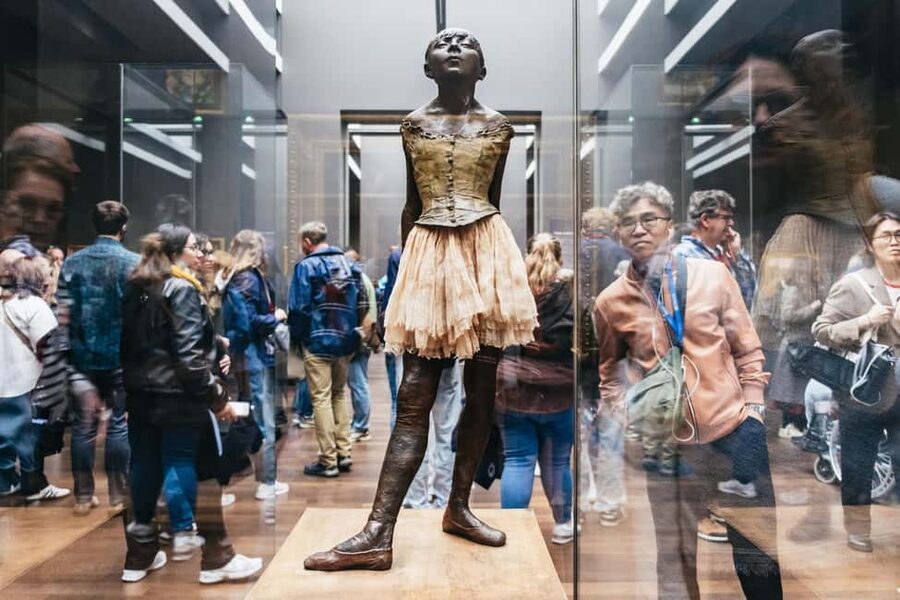
At $55 per person, this tour costs more than a basic museum entry, but you are paying for several useful services: admission, a licensed English-speaking guide, a separate entrance, audio equipment, and a planned route through a major collection.
The value is strongest if you are visiting Paris for a short time, have little background in art, or feel overwhelmed by large museums. A guide can save you from spending your first hour simply finding the Impressionist rooms. You also get the stories that a ticket alone cannot provide.
The value is weaker if you prefer to linger in silence, sketch, photograph, or choose your own route. You may see only a selection of the museum, and the group must keep moving. At this price, the tour makes sense as a focused first visit rather than an all-day museum pass.
The high rating, 4.6 from 204 reviews, reflects a consistent strength: the guides are praised for their enthusiasm, clear explanations, and ability to make the paintings easier to follow. It does not remove the practical limits of crowds, timing, or guide-to-guide variation.
Should you add the Louvre?
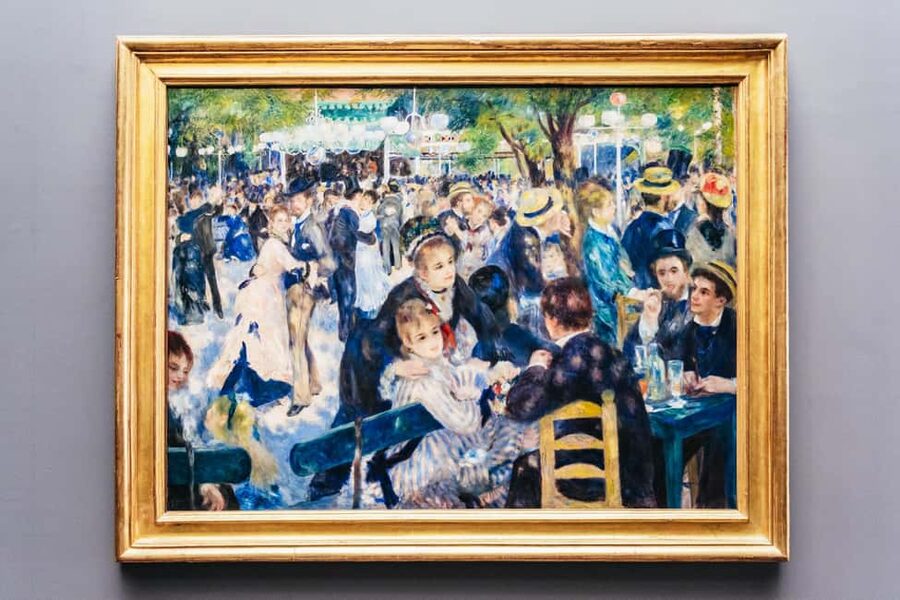
The optional combination includes a two-hour guided Louvre visit in the afternoon. That second tour covers the Mona Lisa, Venus de Milo, Winged Victory of Samothrace, and other selected works.
This pairing can work well if you want a single art-filled day and prefer guidance in both museums. The Orsay introduces the art of the 19th century, while the Louvre takes you through famous older works and grander collections.
I would think carefully about your energy. Two museums in one day means a lot of walking, standing, and visual information. If you choose the upgrade, leave enough breathing room between the visits for food and rest. Lunch is not included.
The combo is best for a first Paris visit when you want an organized overview. It is less appealing if you prefer to spend one museum day slowly and return later for another.
Who should book this Musée d’Orsay tour?
I would recommend it to first-time visitors, short-stay visitors, and anyone who wants help making sense of Impressionism. It also suits couples or families who would rather hear a clear story than read labels in every room.
Children need tickets too, even if they join the group free of charge under another arrangement. The tour is in English, so make sure that works for everyone in your party.
Art lovers with a specific research list may want more time. You will probably be happiest using this as a guided highlights route, then staying on independently if the museum and ticket conditions allow. Remember that you cannot re-enter after leaving.
Free cancellation is available up to 24 hours in advance, and you can reserve now and pay later. Those terms help if your Paris schedule is still shifting, but they do not make late arrival safe.
My verdict
Book this tour if you want the Musée d’Orsay explained rather than simply entered. The building, the Impressionist collection, the old clock views, and the guide-led route make a strong 1.5-hour introduction.
Choose it with realistic expectations. You will not see every room, temporary exhibitions are excluded, and crowds may make the pace feel quick. At $55, I see the best value in the guide and the time saved, especially for a first visit. If that matches your plans, this is a sensible way to meet Monet, Van Gogh, Renoir, and their circle without giving the whole day to one museum.
FAQ
How long does the Musée d’Orsay guided tour last?
The guided tour inside the museum lasts 1.5 hours. Allow about 30 additional minutes for organization, entry, security, and receiving the audio headsets.
What language is the tour in?
The live tour guide speaks English.
Where is the meeting point?
Meet your guide beside the entrance to the Musée d’Orsay, next to the horse statue.
Does skip-the-line access mean there is no waiting?
No. You use a separate entrance instead of the regular ticket line, but security may still take up to 15 minutes.
Can I join the tour if I am late?
Late arrival is risky because the booking is for a group. Individual replacement tickets cannot be issued if you miss the group.
Are children required to have tickets?
Yes. Every child joining the tour needs a ticket.
Are temporary exhibitions included?
No. The tour does not provide access to temporary exhibitions.
Can I re-enter the museum after leaving?
No. Once you exit the Musée d’Orsay, you cannot go back in on this visit.
Are luggage and large bags allowed?
No. Luggage and large bags are not allowed. Selfie sticks and tripods are also prohibited. Small bags and clothes can use the cloakroom service.
Is the Louvre included?
The Louvre is included only if you select the combo option. That upgrade adds a two-hour guided Louvre tour in the afternoon.
More Skip-the-line Tickets in Paris
- Versailles: Skip-the-Line Tour of Palace with Gardens Access
★ 4.7 · 9,778 reviews - Versailles: Skip-the-Line Guided Palace Tour and Full Access
★ 4.6 · 5,214 reviews - Louvre Museum: Skip-the-Line Small Group Guided Tour
★ 4.6 · 3,960 reviews - From Paris: Versailles Skip-the-Line Tour & Gardens Access
★ 4.7 · 3,011 reviews
Just listed in Paris
- Paris: Giverny & Versailles Small Group or Private Tour★ 4.5 · 49 reviews
- Chartres Cathedral 5 Hours Tour from Paris with Private Transport★ 4.5 · 49 reviews
- Paris: Louvre photoshoot or Seine bridges Eiffel Tower walk★ 5.0 · 49 reviews
- Paris: Choux Pastry and Chocolate Éclair Making Class★ 4.9 · 50 reviews
- Private tour of the Champagne area, meet local producers and taste their Champagne, start from your hotel in Paris.★ 5.0 · 50 reviews
- Paris Eternelle Notre-Dame Virtual Reality Tour★ 4.5 · 50 reviews
- Normandy D-Day Landing Beaches Private Day Trip from Paris★ 5.0 · 50 reviews
- Disneyland® Paris 1 Day with Round-Trip Train Tickets from Paris★ 4.0 · 50 reviews
Musee d Orsay & Orangerie Tours, compared.
Musée d’Orsay Entry Ticket and Seine River Cruise
Read our review →
Musée d’Orsay Skip-the-Line Tour with Expert Guide
Read our review →
Musée d’Orsay Skip-the-Line Tour with Expert Guide
Read our review →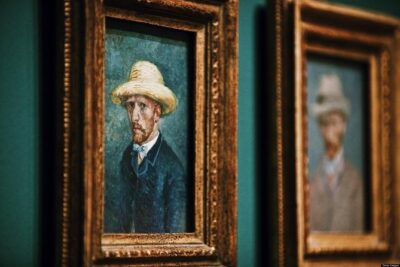
The Musée d’Orsay Guided Tour Orsay Museum Semi-Private 6ppl Max
Read our review →
Louvre & Musée d’Orsay Guided Museum Tour Semi-Private 6ppl Max
Read our review →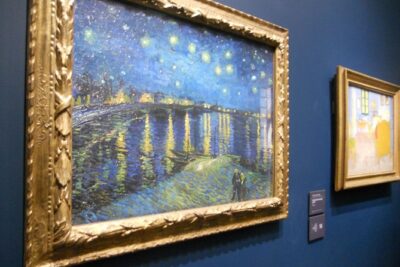
Orsay Museum – Exclusive Guided Tour (Reserved Entry Included)
Read our review →Browse the lists this tour appears in