
Reviewed · MUSEE D ORSAY & ORANGERIE TOURS
Paris: Musée d’Orsay Guided Tour with Ticket
The best thing about this Musée d’Orsay tour is its clear story: you follow the artists who broke old rules and helped change painting. Your guide connects Manet, Monet, Renoir, Cézanne, Gauguin, and Van Gogh to the social changes around them, instead of leaving you to decode a wall of labels. I like the small maximum of six people and the fact that a certified guide and permanent-collection ticket are included.
The main drawback is time. Two and a half hours is enough for a strong first visit, but the Orsay holds far more than any single tour can cover. You may leave wishing for another hour, especially if you want long stretches in front of your favorite paintings.
Key points to know before booking
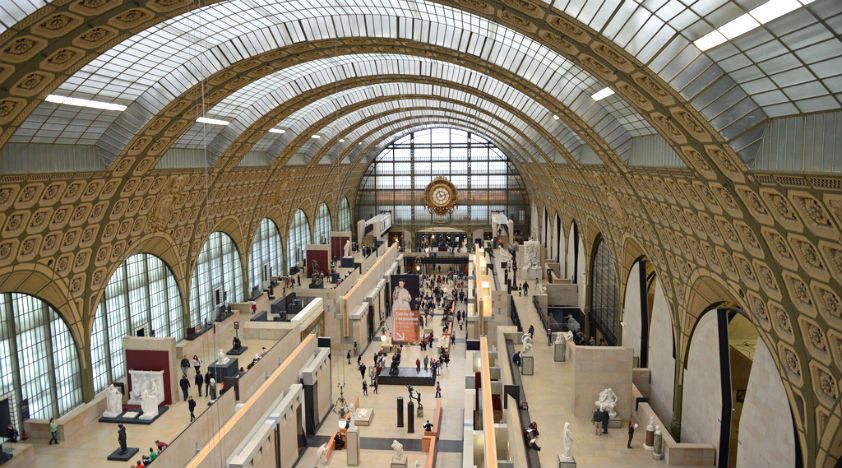
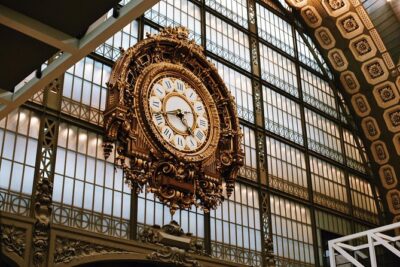
- The former railway station is part of the experience: The Beaux Arts building gives the museum an impressive setting before the art tour even begins.
- The group stays very small: A maximum of six people per guide makes questions and conversation much easier.
- The focus is 19th-century French art: You will learn how Impressionism and post-Impressionism developed through artists such as Monet, Manet, Renoir, Cézanne, Gauguin, and Van Gogh.
- The tour links art to its time: Guides such as Nadia, Miriam, Alex, Taylor, and Felix have been praised for explaining the people, politics, and social changes behind the paintings.
- You get both famous works and quieter selections: The route is built for first-time visitors but also includes lesser-known pieces.
- Plan around the bag rule: Large bags and luggage are not allowed, and coat or luggage storage is not included.
Why the Musée d’Orsay works so well with a guide
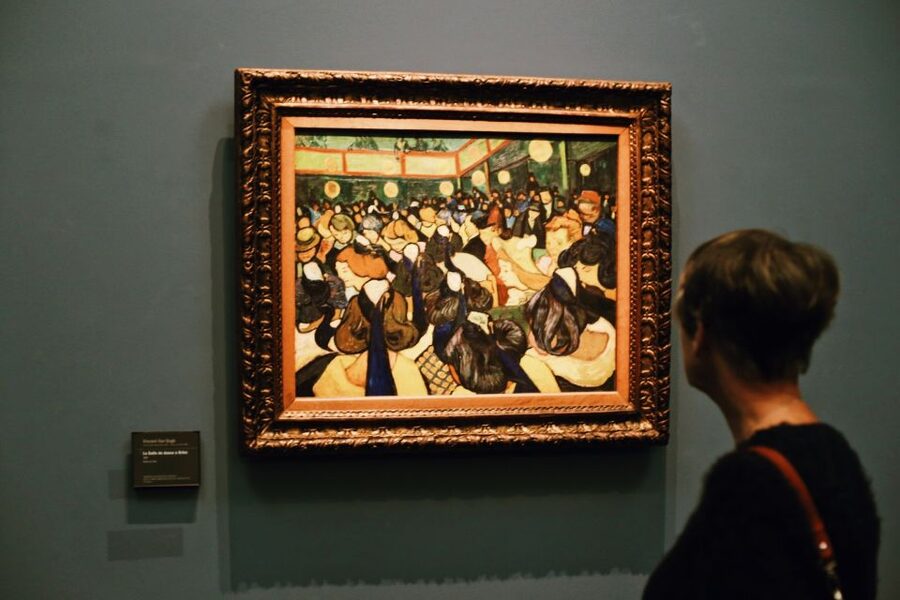
The Musée d’Orsay is not simply a room full of famous paintings. It tells the story of a period when artists began turning away from strict academic rules and looking at modern life with fresh eyes.
That shift can be hard to follow on your own. One painting may look like a pleasant outdoor scene, while the next seems rough, unfinished, or oddly cropped. A good guide explains why those choices mattered. You learn how artists changed their use of light, brushwork, color, and subject matter, and why audiences at the time did not always welcome those changes.
This tour is built as an introduction, so you are not expected to arrive with a degree in art history. I like that approach. You can ask basic questions without feeling out of place, yet the tour still has enough historical detail to keep experienced museumgoers interested.
The strongest part is the connection between one artwork and the next. Guides praised for this tour, including Miriam, Nadia, Lillie, Malika, and Marcel, have been singled out for creating a coherent path through the collection. That matters in a museum where it is easy to wander into a side room and lose the larger story.
A few other Paris half-days to compare
- Paris: Musée d’Orsay Entry Ticket and Seine River Cruise
★ 4.6 · 1,344 reviews - Paris: Musée d’Orsay Skip-the-Line Tour with Expert Guide
★ 4.5 · 1,145 reviews - Musée d’Orsay Skip-the-Line Tour with Expert Guide
★ 4.8 · 1,088 reviews
The old railway station sets the tone
Your visit takes place inside the former Gare d’Orsay, a Beaux Arts railway station converted into a museum. The building is not a minor backdrop. Its huge interior, grand proportions, and railway origins give the collection a sense of place that a standard gallery would not provide.
The meeting point can vary depending on the option you book, so check your confirmation carefully. Several possible starting points are listed around the Musée d’Orsay and 7 Quai Anatole France. This is one detail worth handling before you arrive. One person had initial confusion after entering the museum instead of waiting at the specified meeting spot, and museum staff were not able to sort it out.
Once you meet your guide, the tour returns to the Musée d’Orsay for the main visit. The route includes guided viewing, photo opportunities, and some free time. There is also a short break period of about 15 minutes within the overall schedule.
Do not bring luggage or a large bag. Coat and luggage storage are not included, and the activity specifically prohibits large bags. Pack lightly so the entry process does not become the first problem of the morning or afternoon.
How the 2.5-hour museum route unfolds
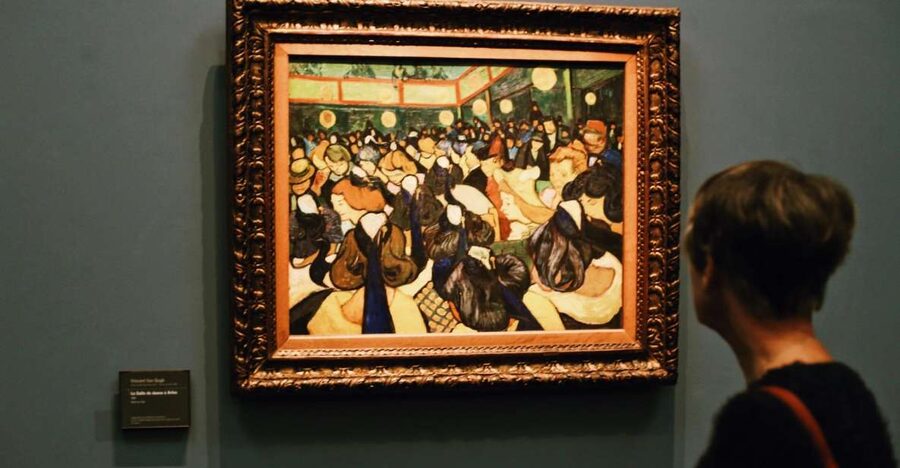
The core museum visit lasts about 2 hours and 15 minutes, followed by a short break and additional time for photos or independent looking. The exact order can vary, since museum rooms and collections may change during the year.
Your guide starts with the main idea of the collection: how 19th-century French painting moved from academic traditions toward Impressionism and later experiments. From there, you visit selected works rather than trying to cover every room.
That is the right choice for a first visit. The Orsay can become tiring if you attempt to see everything at once. A guide helps you spend time where it counts, then keeps the group moving before your attention fades.
You should expect a mix of major works and less familiar selections. The famous paintings give you the landmarks you likely came to see. The quieter choices help explain the period rather than simply checking names off a list.
The tour also leaves room for questions. In a group of up to six, it is much easier to ask why a painter used a certain color or how one movement differed from another. In a large group, those questions can get lost. Here, the small format gives the visit a more personal rhythm.
Meeting Monet, Manet, Renoir, Cézanne, and Gauguin
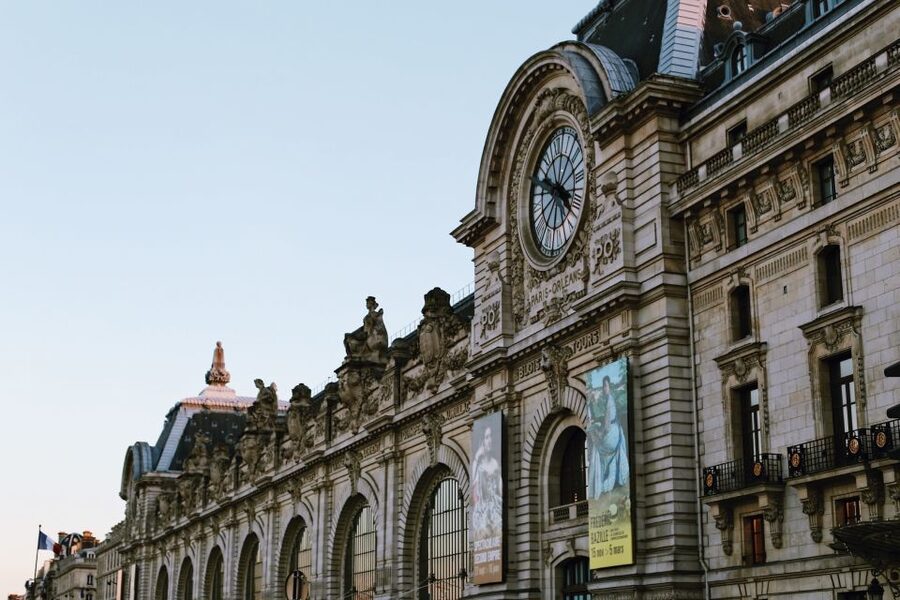
The tour introduces several artists associated with the changes in French painting. Manet helps establish the break with convention. Monet and Renoir show how artists worked with light, daily life, and quick brushwork. Cézanne points toward a more structured and personal treatment of form. Gauguin takes color and subject matter in another direction.
You will not just hear names and dates. The aim is to understand individual styles and the arguments behind them. That can make familiar works feel less familiar in a useful way. You begin to notice how each artist handled a figure, a street, a landscape, or an interior.
The best guides add the human setting around the art. Nadia, for example, has been praised for explaining the transformation of the railway station and the condition of the Paris art scene before and after the Impressionists. Lillie has been praised for connecting social events to what artists were putting on canvas, including links between France and the United States.
That kind of context is useful because paintings do not come from nowhere. A guide can show you how the artists responded to their time without turning the tour into a dry lecture.
Same city, a completely different afternoon:
- Paris: Louvre Museum Timed-Entrance Ticket
★ 4.6 · 71,977 reviews - Disneyland® Paris 1-Day Ticket
★ 4.6 · 49,412 reviews - Paris: Versailles Palace and Gardens Full Access Ticket
★ 4.6 · 41,579 reviews - Paris: Evening River Cruise with Music
★ 4.4 · 22,721 reviews
Van Gogh and the post-Impressionist turn
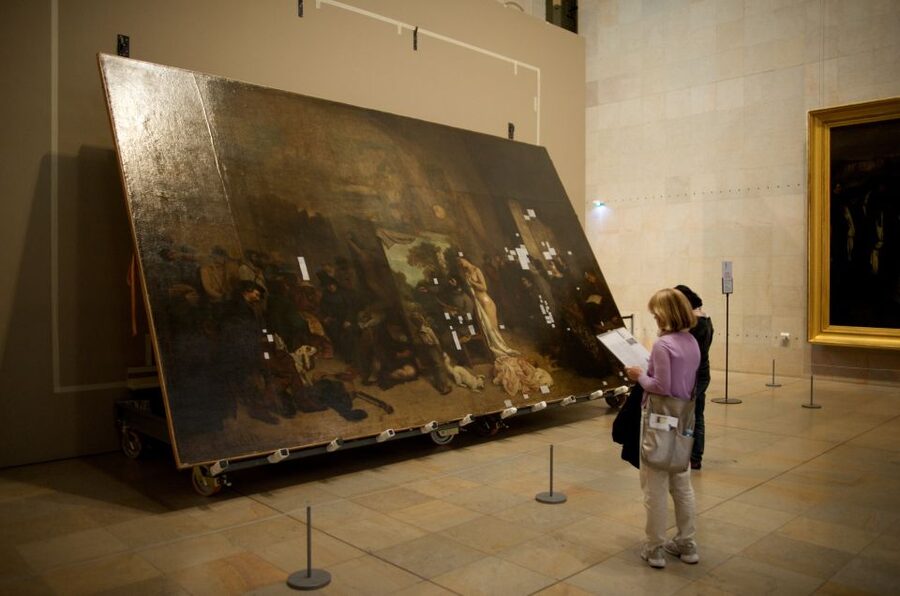
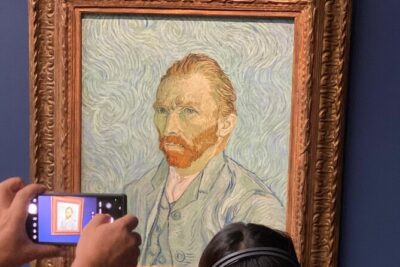
Van Gogh is one of the major reasons many people visit the Orsay, but his paintings make more sense when you see them within the wider movement. The tour places post-Impressionist experiments after the earlier Impressionist changes, helping you see what was kept and what was pushed further.
You may come across stronger color, more visible brushwork, and a more personal approach to a scene. The guide explains techniques in plain terms and shows how artists used paint to express more than a literal view.
This part of the tour can be especially useful for families and teenagers. One guide, Lilliana, was praised for explaining the era’s major works without losing the interest of teens. Another guide, Tristan, was praised for combining art knowledge with humor and a well-paced presentation.
The pace matters here. You want enough time to look closely, but not so much that the tour stalls at one painting. A strong guide knows when to explain, when to move, and when to let you look.
What makes the guides the real value
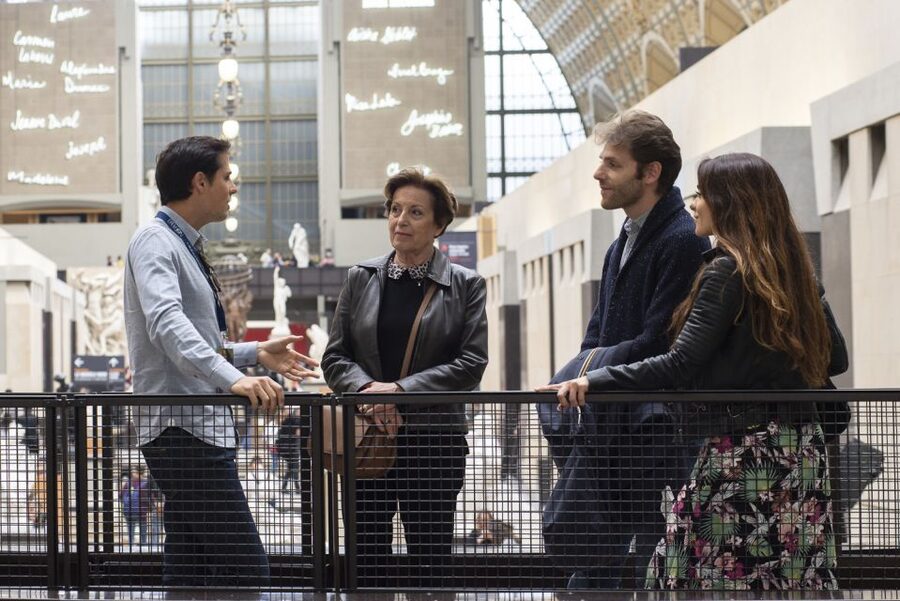
At $128 per person, the guide is the main reason to consider this experience. The museum ticket is included, but the price is not simply paying for entry. You are paying for a planned route, a professional explanation, and a smaller group than you might have if you toured alone.
Guide quality can vary with any scheduled tour, but the names connected with especially strong feedback include Miriam Mayyahian, Nadia, Alex, Taylor, Felix, Lillie Pecovic, Malika, Marcel, Belen, Katrina, Dario, Tristan, and Liliya. The praise is consistent in several areas: clear explanations, strong storytelling, historical context, humor, and an ability to connect one work to the next.
Alex received especially warm comments for inspiring a new appreciation of art and taking time to explain details. Taylor was praised both for her teaching and for her experience as a painter. Felix was noted for making difficult ideas understandable, while Marcel was valued for going beyond the usual facts about artists and explaining their cultural impact.
Of course, you cannot choose every guide in advance from the information provided. That is the practical uncertainty. Still, the repeated emphasis on guide quality suggests that the human side of this tour is its biggest strength.
Private or small group: who benefits most
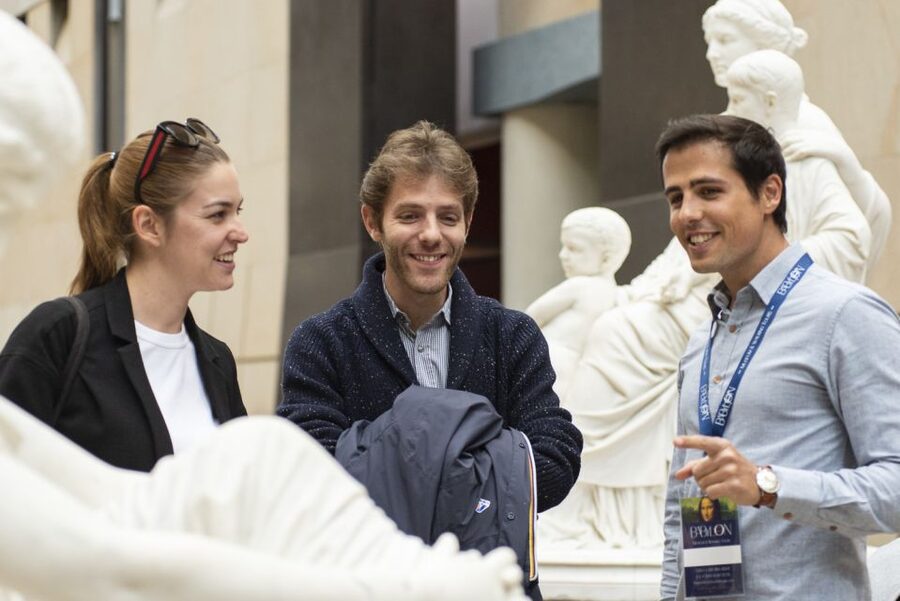
The activity offers private or small-group options, with a maximum of six people per guide. That format suits several kinds of visitors.
If this is your first time at the Orsay, the guide gives you a useful framework. You will see the major names, learn how the movements developed, and leave with enough understanding to revisit the museum on your own.
If you have limited time in Paris, the planned route is also valuable. You will not spend half your visit figuring out which floor or room to visit next. One person described the tour as a good way to get through the museum on time while still gaining a clear understanding of late 19th-century French art.
Families can benefit from the smaller setting too. Children and teenagers can ask questions without addressing a crowd, and the guide can adjust explanations when needed. The tour is not described as specifically designed for children, so keep in mind that its subject is serious art history, but the reported use of humor and storytelling should help hold attention.
Art students and repeat museum visitors may prefer the private option if they want to focus on particular artists or themes. The supplied information does not promise a fully customized itinerary, so ask about that when selecting your booking option rather than assuming it.
What the ticket includes, and what it does not
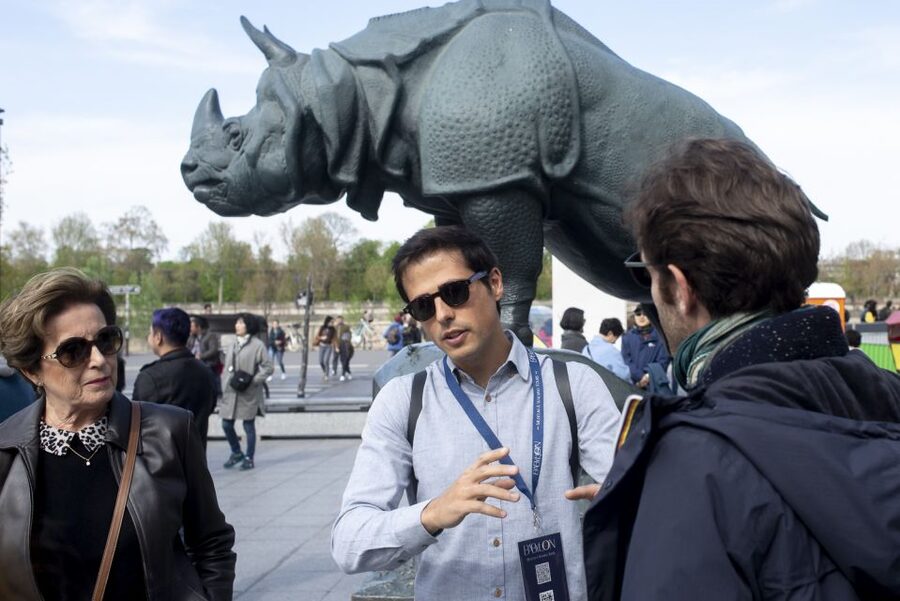
The museum entrance fee for the permanent collection is included, along with your guide. That keeps the main cost visible from the start.
Temporary exhibitions are not listed as included. If a special exhibition is important to you, you should treat it as a separate matter and confirm the details before booking.
The activity does not include luggage or coat storage. This is easy to overlook, particularly if you are touring Paris between hotels or train connections. Do not plan to arrive with a suitcase and solve the problem at the museum.
The tour is offered in English, French, Italian, Russian, German, and Spanish. Check the available language and starting time when you reserve, since times vary by date.
Free cancellation is available up to 24 hours in advance for a full refund. You can also reserve now and pay later, which helps if your Paris schedule is still shifting.
Is $128 per person a fair price?
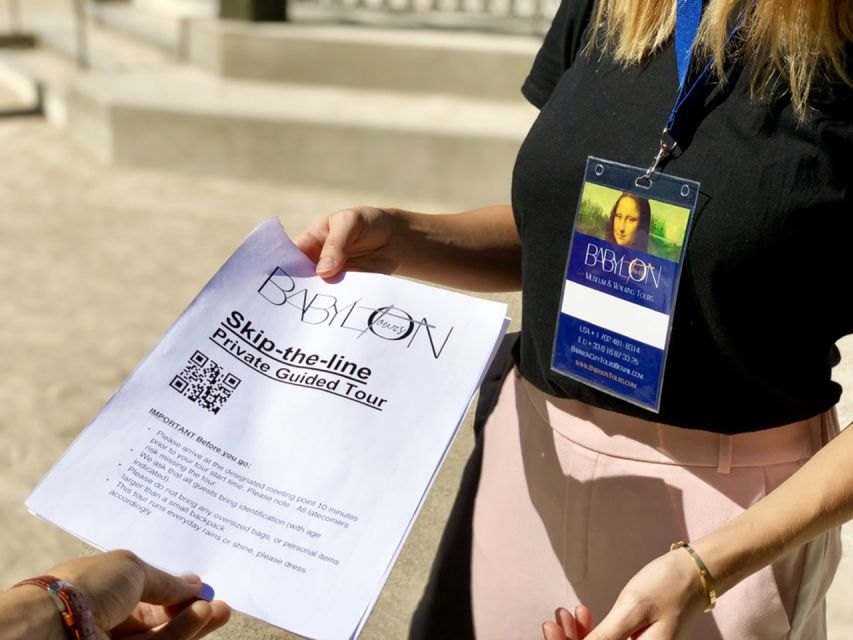
The price is high compared with entering a museum on your own. If you already know the Orsay well, prefer to read labels quietly, or want to stay for most of the day, self-guided entry may offer better value.
For a first visit, though, $128 can make sense if you value time and explanation. You receive the museum ticket, a 2.5-hour route, and a guide for a maximum group of six. That is a very different product from simply paying admission and wandering through crowded galleries.
The value is strongest for couples, families, and small groups who want the visit to feel focused. It is also useful if you are trying to fit the Orsay into a busy Paris itinerary. You pay more, but you reduce the risk of missing the works and ideas that matter most.
The short length is both a strength and a limit. It keeps the tour manageable and prevents museum fatigue, but it cannot give you a full look at the collection. Plan to return later if you want extended time with particular artists.
A few practical ways to enjoy it more
Arrive at the exact meeting point listed for your chosen option. Do not assume the guide will meet you inside the museum, since the starting location may vary.
Bring only what you need for the museum visit. Large bags and luggage are not allowed, and storage is not part of the activity.
Wear something comfortable for standing and walking through galleries. The tour includes guided movement, photo stops, and free time, so you will not remain in one place for the full 2.5 hours.
Before the tour begins, think of one or two artists you most want to understand. If the group is small, you should have a better chance to ask about them, even though the guide controls the main route.
Keep your expectations realistic about museum access. Some rooms require quiet or restrict speaking, and particular collections may change during the year. Your guide may need to adjust the route.
Who should book this Musée d’Orsay tour?
I would choose this tour if you are visiting the Orsay for the first time, want help making sense of Impressionism, or have only a few hours for the museum. The small group limit is a real advantage, and the guide appears to be the heart of the experience.
I would also recommend it to families with older children and teenagers, especially if an engaging storyteller can keep the visit moving. The focus on context, humor, and visual details should be more useful than a rushed list of artist names.
I would skip it if you prefer complete independence, want to spend an entire day inside the museum, or are mainly interested in temporary exhibitions. The $128 price is harder to justify when you do not need guidance.
For most first-time visitors who want a smart introduction rather than an aimless walk through a famous museum, I think it is a strong choice. Book it for the structure and the small group, then leave yourself enough freedom afterward to return to the paintings that caught your eye.
FAQ
How long does the Musée d’Orsay guided tour last?
The activity lasts 2.5 hours. The museum portion is listed at about 2 hours and 15 minutes, with an additional 15-minute break period.
What does the $128 price include?
The price includes entrance to the museum’s permanent collection and a guide.
Are temporary exhibitions included?
The included admission is for the permanent collection. Temporary exhibitions are not listed as included.
What languages are available?
The tour is offered in French, English, Italian, Russian, German, and Spanish.
How many people can join each group?
The maximum is six people per guide. Private and small-group options are available.
Can I bring luggage or a large bag?
No. Luggage and large bags are not allowed, and luggage or coat storage is not included.
Where does the tour meet?
The meeting point may vary according to the option you book. Check the booking information carefully because several starting locations around the Musée d’Orsay are used.
Can I cancel for a refund?
Yes. You can cancel up to 24 hours in advance for a full refund.
Do I have to pay when I reserve?
No. A reserve-now, pay-later option is available, allowing you to hold a place without paying immediately.
Just listed in Paris
- Chartres Cathedral 5 Hours Tour from Paris with Private Transport★ 4.5 · 49 reviews
- Paris: Giverny & Versailles Small Group or Private Tour★ 4.5 · 49 reviews
- Paris: Louvre photoshoot or Seine bridges Eiffel Tower walk★ 5.0 · 49 reviews
- Private tour of the Champagne area, meet local producers and taste their Champagne, start from your hotel in Paris.★ 5.0 · 50 reviews
- Paris: Choux Pastry and Chocolate Éclair Making Class★ 4.9 · 50 reviews
- Paris Eternelle Notre-Dame Virtual Reality Tour★ 4.5 · 50 reviews
- Normandy D-Day Landing Beaches Private Day Trip from Paris★ 5.0 · 50 reviews
- Disneyland® Paris 1 Day with Round-Trip Train Tickets from Paris★ 4.0 · 50 reviews
Musee d Orsay & Orangerie Tours, compared.
Musée d’Orsay Entry Ticket and Seine River Cruise
Read our review →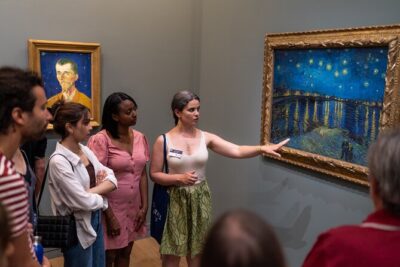
Musée d’Orsay Skip-the-Line Tour with Expert Guide
Read our review →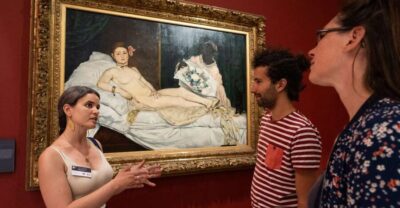
Musée d’Orsay Skip-the-Line Tour with Expert Guide
Read our review →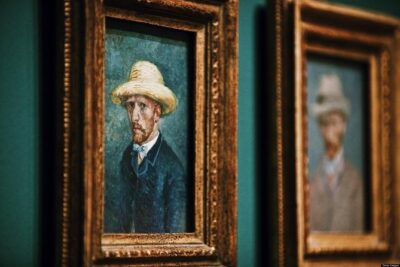
The Musée d’Orsay Guided Tour Orsay Museum Semi-Private 6ppl Max
Read our review →
Louvre & Musée d’Orsay Guided Museum Tour Semi-Private 6ppl Max
Read our review →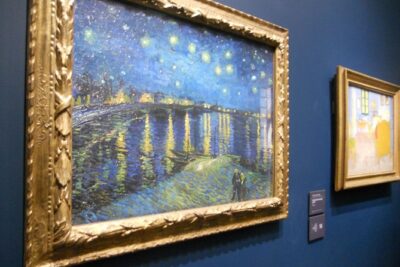
Orsay Museum – Exclusive Guided Tour (Reserved Entry Included)
Read our review →Browse the lists this tour appears in