
Reviewed · MUSEE D ORSAY & ORANGERIE TOURS
Paris: Musée d’Orsay Private Guided Tour with Reserved Entry
The Musée d’Orsay brings together some of Western art’s most familiar names in one powerful sweep: Monet, Van Gogh, Degas, and other masters of the 19th and early 20th centuries. A private guide helps connect those paintings to Neoclassicism, Realism, and Symbolism, so you see more than a parade of famous canvases.
I like the reserved entry, which cuts down on waiting, and the private format, which lets you ask questions and slow down at works that catch your eye. Guides such as Antoine have been praised for linking the art to the history of Paris and France, not just reciting dates and names.
The main drawback is cost: at $282 per person, this is a serious splurge for a two-hour visit. It makes the most sense if you want expert attention and a clear introduction to the museum, but less so if you already know the collection well or qualify for free admission as an EU citizen under 25.
Key points to know before you book
- Two hours with a private guide: You get personal attention rather than a large-group lecture.
- Reserved entry to the permanent collection: You can skip the ticket line, though temporary exhibitions cost extra.
- A strong focus on 19th-century art: Impressionism is central, but the visit also covers Neoclassicism, Realism, and Symbolism.
- Guides can connect art with French history: Antoine, in particular, has been praised for putting the museum and its paintings into a wider Parisian context.
- Flexible language choices: Tours are offered in English, French, Spanish, German, Italian, Portuguese, Russian, Chinese, Japanese, and more.
- Wheelchair access is available with advance notice: Tell the operator before booking so the visit can be arranged properly.
Why a private Musée d’Orsay tour can change your visit
The Musée d’Orsay is not a place you simply rush through while checking famous paintings off a list. Its collection covers art from 1848 to 1914, a period when French artists were arguing over style, subject, politics, and the very purpose of painting.
That range can be exciting, but it can also feel scattered if you are visiting alone. One gallery may present formal Neoclassical work, while another turns toward Realism, Symbolism, or the loose brushwork of Impressionism. A guide gives you a thread to follow.
I like the private setup because you can shape the conversation. If you care about Monet, you can spend more time on the Impressionist rooms. If Van Gogh catches your attention, you can ask how his work fits into the Post-Impressionist story. You are not tied to the questions or pace of a large group.
That matters most for first-time art-museum visitors. A good guide can explain what you are looking at in plain language, then help you form your own opinion. The supplied experience specifically invites discussion, so this is not meant to be a silent march from one masterpiece to the next.
A few other Paris half-days to compare
- Paris: Musée d’Orsay Entry Ticket and Seine River Cruise
★ 4.6 · 1,344 reviews - Paris: Musée d’Orsay Skip-the-Line Tour with Expert Guide
★ 4.5 · 1,145 reviews - Musée d’Orsay Skip-the-Line Tour with Expert Guide
★ 4.8 · 1,088 reviews
Meeting at the Esplanade du Musée d’Orsay
The tour begins and ends at the Esplanade du Musée d’Orsay, although the exact meeting point can vary according to the option you book. Check your confirmation closely before setting out, especially if you are arriving by taxi, public transport, or on foot from another Paris sight.
Transportation is not included. That is easy enough to manage because the tour is based at the museum, but you need to plan your own arrival and allow time to find the guide. A private appointment is less forgiving than simply joining a general museum queue.
Once you meet, the guide takes you into the museum using reserved entry. This is one of the clearest practical benefits of the tour. You avoid the ordinary ticket line, giving you more of your limited Paris time inside the collection.
Skip-the-line access does not mean every part of the museum is instantly available. Your included ticket covers the permanent collection, while temporary exhibitions are not included. If a special show is important to you, arrange that separately and do not assume the tour ticket covers it.
Two hours among Impressionist masterpieces
The central draw is the Impressionist collection. You can expect to see major works associated with artists such as Monet and Degas, then move toward the Post-Impressionist art of Van Gogh and others.
The guide’s job is not simply to identify each painting. It is to explain why these artists mattered, what they were changing, and how their work relates to the movements around them. That context can turn a familiar image into a more interesting one.
I especially like this approach for art you think you already know. A famous Monet can become background decoration in a crowded museum. With a guide, you have a chance to stop and consider the choices in the work, the period it came from, and the way it differs from the rooms around it.
Degas offers another useful point of comparison. His work helps show how artists were exploring new subjects and ways of seeing. The exact works shown can depend on the museum’s display, but the tour promises access to major pieces from the permanent collection.
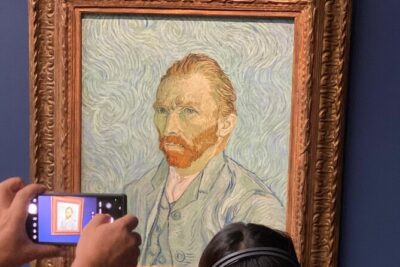
Van Gogh gives the visit a different mood. His paintings are often the images many people most want to see, but a guide can place them within the larger Post-Impressionist section rather than treating them as isolated icons. That makes the museum feel more connected and less like a greatest-hits album.
Beyond Impressionism: Neoclassicism, Realism, and Symbolism
One advantage of this tour is that it does not stop with the most famous Impressionist rooms. The collection also includes major works from Neoclassicism, Realism, and Symbolism.
Neoclassicism gives you a formal starting point for understanding the period. Realism shifts attention toward the world as artists experienced it, while Symbolism moves into more suggestive and imaginative territory. Seeing these movements in the same museum helps you understand that Impressionism did not appear out of nowhere.
This broader route is valuable because many visitors arrive with a short list of names and leave without seeing how those names fit into art history. You may find that a painting by a less familiar artist becomes one of the most useful stops of the morning.
The guide can also adjust the balance. If you are new to art, you may need more time with basic ideas and visual clues. If you already know the main movements, you can spend more time discussing individual works and your own reactions.
That flexibility is a real benefit of a private group. It is also one reason the experience may suit couples, families, or friends with a shared interest. You do not need to match the pace of strangers.
Same city, a completely different afternoon:
- Paris: Louvre Museum Timed-Entrance Ticket
★ 4.6 · 71,977 reviews - Disneyland® Paris 1-Day Ticket
★ 4.6 · 49,412 reviews - Paris: Versailles Palace and Gardens Full Access Ticket
★ 4.6 · 41,579 reviews - Paris: Evening River Cruise with Music
★ 4.4 · 22,721 reviews
The museum’s architecture and French context
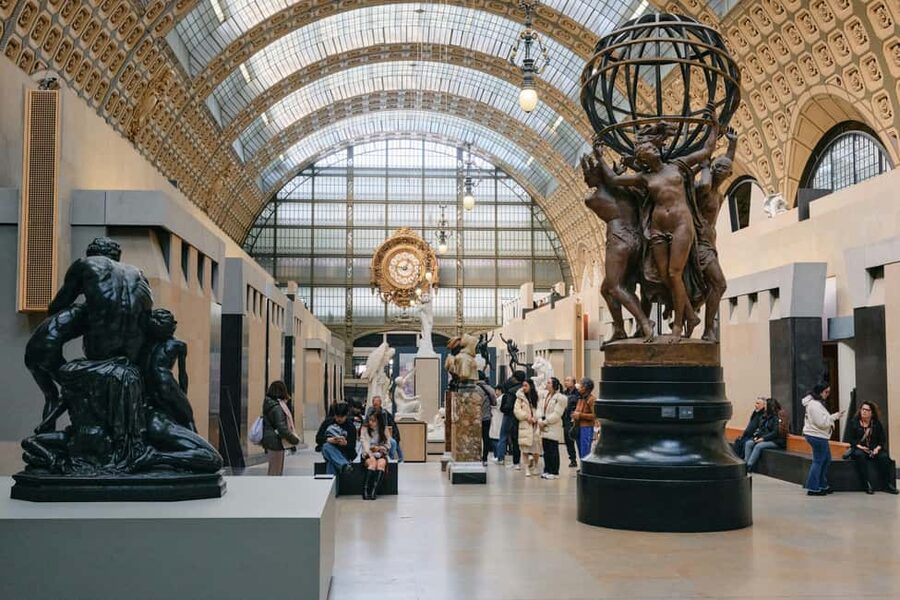
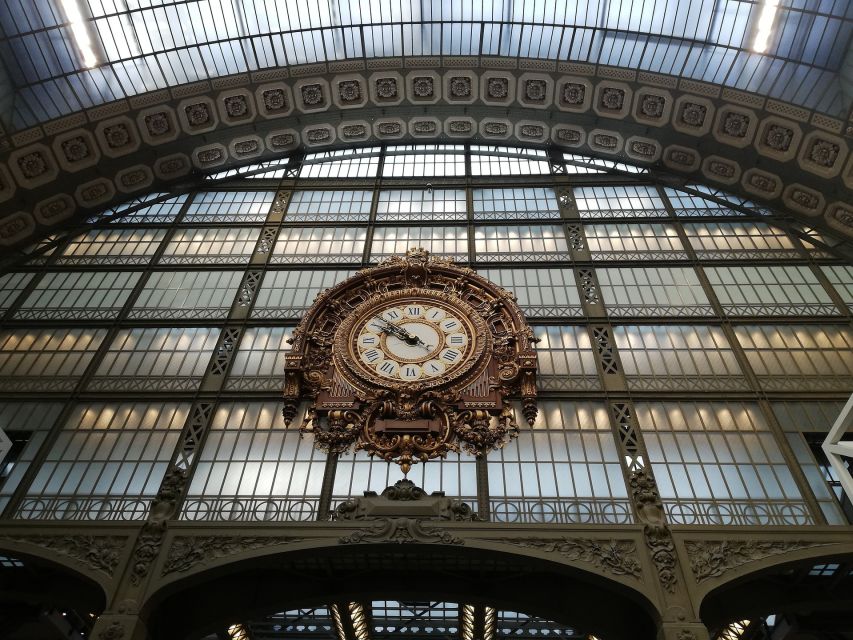
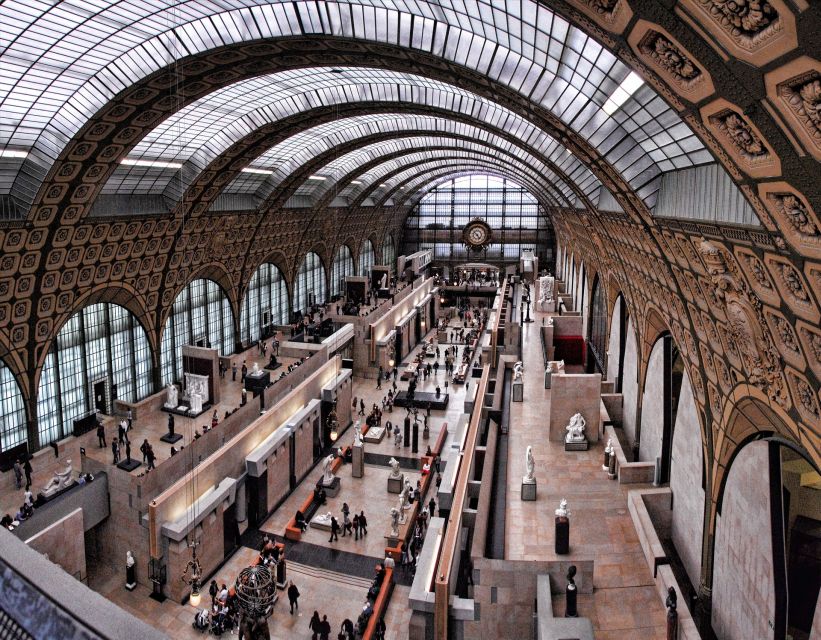
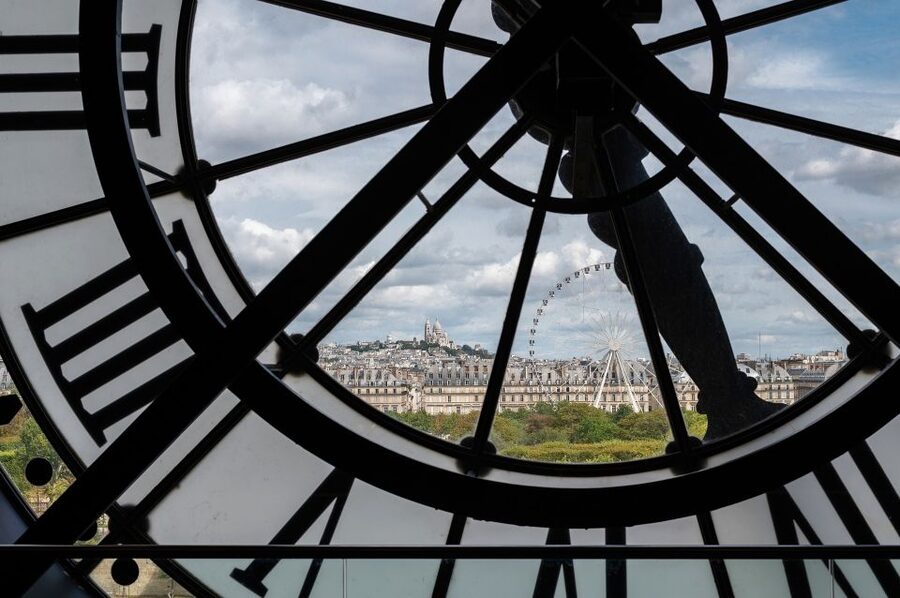
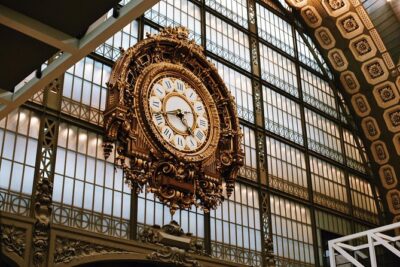
The building itself is part of the visit. The experience includes attention to the museum’s fascinating history and architecture, rather than treating the galleries as plain containers for paintings.
That architectural layer helps you get your bearings. You are not only moving through rooms filled with art. You are also learning how this distinctive Paris museum came to be and how its design affects the way the collection is presented.
Antoine received especially strong praise for explaining both the art and the museum itself. His approach also connected the paintings with the history of France and Paris. That is the kind of context I find useful because art rarely develops apart from public life, politics, fashion, and changing ideas.
The guide’s role is particularly helpful here. You can ask why the museum feels different from other Paris collections, how the building’s spaces shape the visit, or how the art movements relate to their time. The exact discussion will depend on your guide and interests, but the private format gives you room to ask.
What the guide adds to the experience
A private guide is only worth the extra money if the commentary improves your visit. The strongest feedback points to Antoine as a warm and effective guide who offered more than labels and basic biography.
One review specifically praised the way he combined information about the museum, French art from the 1800s, and the wider history of France and Paris. That combination is important. You want the guide to help you see relationships, not just deliver a list of facts.
Another review described the guide as charming and the visit as interesting for beginners. That suggests the experience can work well if you are not confident discussing art. You do not need a background in painting to benefit from a private tour.
At the same time, the experience is not guaranteed to feel equally useful to everyone. One person rated it three out of five and found it interesting, especially for novices, but not necessarily revelatory for two people who already knew some of the stories. If you have spent a lot of time studying the Musée d’Orsay, the tour may offer less new material.
You can improve the odds of a good visit by arriving with two or three questions. Ask about a particular artist, movement, or painting. Tell the guide if you prefer social history, technique, architecture, or close visual analysis. A private tour works best when you take part in the conversation.
Is $282 per person good value?
At $282 per person, this tour is expensive for two hours. The price includes a private guided visit and admission to the permanent collection, but not transport, the €4 audio phone, or temporary exhibitions.
The best value comes from the guide, not the ticket. If you simply want entry to the museum, buying admission separately and using your own guidebook will cost far less. If you want a tailored explanation, reserved entry, and the chance to ask questions throughout the visit, the price becomes easier to defend.
Group size also matters. A private tour means the guide’s attention is directed at your party. You are not competing with a large crowd to hear an explanation or waiting for someone else to finish a question.
Still, do the arithmetic before booking. EU citizens under 25 receive free admission, so the included ticket has little financial value for them. You would be paying mainly for the private guiding and reserved access. For other visitors, the admission component adds some value, but the guiding remains the central reason to choose this option.
I would see it as a splurge for a short Paris stay, a first visit, or a special occasion. If you have only two hours for the museum and want a strong introduction, personal guidance can keep the visit focused. If your budget is tight, the museum can also be enjoyed independently.
Timing, languages, and access
The tour lasts two hours, with starting times based on availability. That is long enough for a focused introduction, but not long enough to see every major work in the museum. Think of it as a guided framework for the collection, not a complete survey.
The available guide languages are unusually broad. You can request English, French, Spanish, German, Italian, Portuguese, Russian, Chinese, Japanese, or another listed language. Confirm the language and meeting details when booking so there is no confusion on the day.
Wheelchair users can be accommodated if the operator is informed beforehand. That advance notice matters, so do not leave the request until arrival.
Cancellation is free up to 24 hours before the tour, and you can reserve now and pay later. Those terms help if your Paris schedule is still shifting, though you should still check the starting time and meeting point attached to your chosen option.
Who should book this Musée d’Orsay experience?
I would recommend it most strongly to three kinds of people.
First, it suits first-time visitors who want help making sense of the collection. The museum covers many movements, and a guide can give you a clear route through them.
Second, it works well for people who care about a few artists and want to ask questions as they go. The private format lets you focus on Monet, Degas, Van Gogh, or another artist instead of following a fixed large-group script.
Third, it is a good choice for families or friends with mixed levels of art knowledge. A guide can explain the basics without forcing more experienced members of the group to spend the whole visit on labels.
I would hesitate if you have a strict budget, qualify for free EU admission under 25, or prefer to wander alone. I would also think twice if your main goal is a temporary exhibition, since that is not included.
Should you book the private Musée d’Orsay tour?
Book it if you want a focused, personal introduction to French art and are willing to pay for expert attention. The reserved entry, two-hour structure, broad language choice, and chance to discuss works directly with your guide make it more useful than a simple admission ticket.
The strongest case is a first visit with limited time. Antoine’s praised ability to connect art, museum architecture, and French history shows what a good guide can add. Just remember that the experience depends partly on the guide assigned to you, and one two-hour visit cannot cover the entire collection.
Skip it if you are comfortable planning your own museum route or if $282 per person feels out of proportion to your budget. For everyone else, this is a worthwhile splurge when you want to leave the Musée d’Orsay with a clearer sense of what you saw and why it matters.
FAQ
How long does the Musée d’Orsay private tour last?
The guided visit lasts two hours.
What does the ticket include?
The price includes the private two-hour guided tour and admission to the permanent collection.
Are temporary exhibitions included?
No. Temporary exhibitions are not included in the tour price.
Can I skip the ticket line?
Yes. The experience includes reserved entry and skip-the-ticket-line access.
Which languages are available?
Guiding is available in Spanish, German, Italian, Portuguese, Russian, Chinese, Japanese, English, and French.
Is the tour wheelchair accessible?
Yes, the tour can accommodate wheelchair users if you inform the operator beforehand.
Can EU citizens under 25 enter for free?
Admission is free for citizens of the European Union under 25. The private guide and other tour arrangements are separate considerations, so check the booking terms for your specific option.
Just listed in Paris
- Chartres Cathedral 5 Hours Tour from Paris with Private Transport★ 4.5 · 49 reviews
- Paris: Giverny & Versailles Small Group or Private Tour★ 4.5 · 49 reviews
- Paris: Louvre photoshoot or Seine bridges Eiffel Tower walk★ 5.0 · 49 reviews
- Private tour of the Champagne area, meet local producers and taste their Champagne, start from your hotel in Paris.★ 5.0 · 50 reviews
- Paris: Choux Pastry and Chocolate Éclair Making Class★ 4.9 · 50 reviews
- Paris Eternelle Notre-Dame Virtual Reality Tour★ 4.5 · 50 reviews
- Normandy D-Day Landing Beaches Private Day Trip from Paris★ 5.0 · 50 reviews
- Disneyland® Paris 1 Day with Round-Trip Train Tickets from Paris★ 4.0 · 50 reviews
Musee d Orsay & Orangerie Tours, compared.
Musée d’Orsay Entry Ticket and Seine River Cruise
Read our review →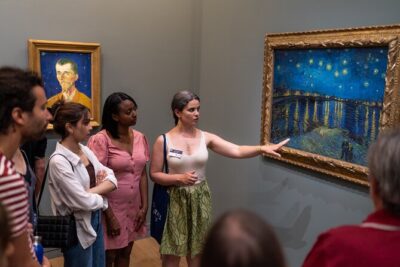
Musée d’Orsay Skip-the-Line Tour with Expert Guide
Read our review →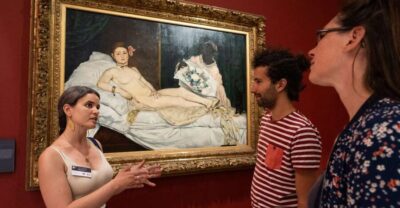
Musée d’Orsay Skip-the-Line Tour with Expert Guide
Read our review →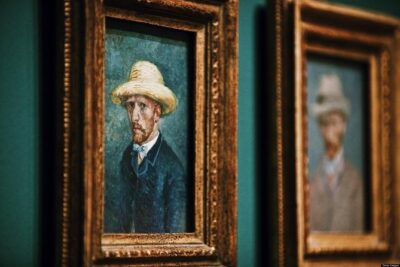
The Musée d’Orsay Guided Tour Orsay Museum Semi-Private 6ppl Max
Read our review →
Louvre & Musée d’Orsay Guided Museum Tour Semi-Private 6ppl Max
Read our review →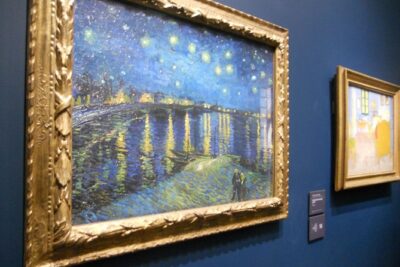
Orsay Museum – Exclusive Guided Tour (Reserved Entry Included)
Read our review →Browse the lists this tour appears in