
Reviewed · MUSEE D ORSAY & ORANGERIE TOURS
Paris: Musée d’Orsay Ticket and Guided Tour
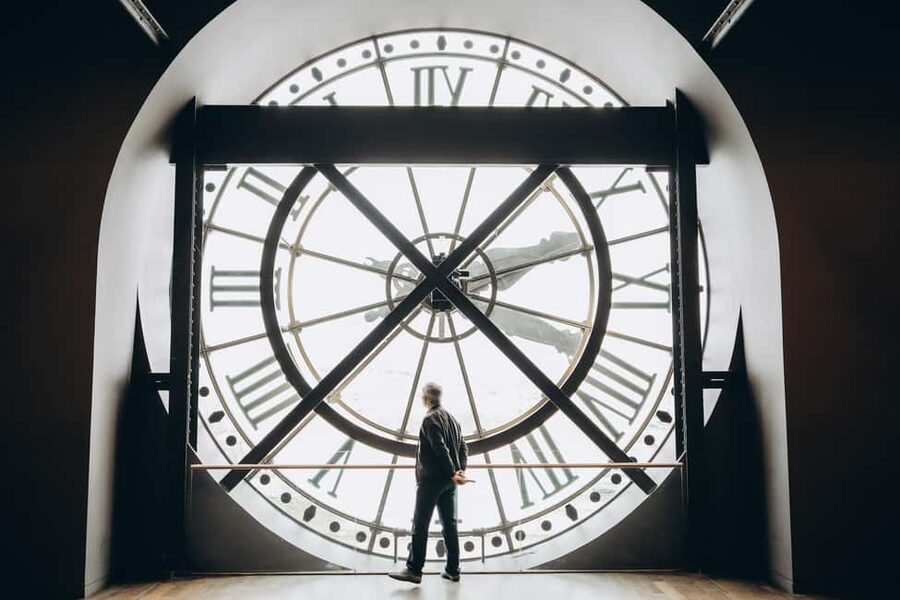
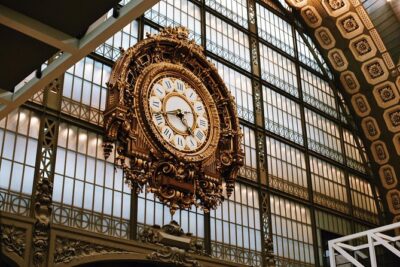
The Musée d’Orsay is not simply a place to tick off famous paintings. It is a former railway station with a vast clocked hall, ornate Beaux-Arts details, and one of Europe’s great collections of late 19th-century art. This two-hour tour helps you make sense of both the building and the paintings without wandering past the best work.
I like the skip-the-line entry, especially when you want to protect a short Paris schedule. I also like the way the guide links paintings to the wider change in European art, rather than treating Van Gogh, Monet, Manet, and Gauguin as unrelated names. The main caution is the crowd level. The museum can be very busy, and two hours gives you a strong introduction, not time to see everything.
- A former train station sets the scene: Begin beneath the museum’s huge Beaux-Arts vaults and learn how the building changed purpose.
- The tour focuses on major works: Expect paintings by Van Gogh, Monet, Manet, Cézanne, Gauguin, and other leading artists.
- A guide provides the thread: You will hear how Realism, Impressionism, and later modern art developed from one another.
- Small groups or private tours are available: The format can offer a more personal visit, though the exact group size depends on your booking.
- The meeting point is precise: Find the rhinoceros statue to the left of the entrance at 1 Rue de la Légion d’Honneur.
- Plan for a moderate walking pace: Comfortable shoes are needed, and the tour is not suitable for wheelchairs, mobility-impaired visitors, or strollers.
Why the Musée d’Orsay Makes Such a Good Guided Visit
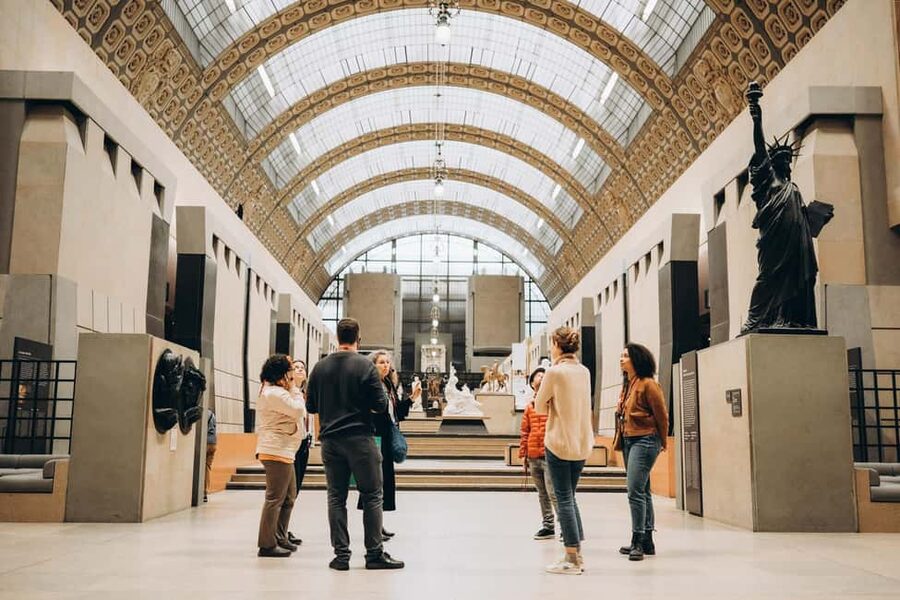
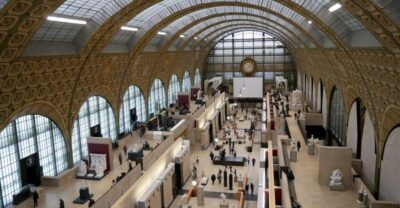
The Musée d’Orsay gives you two experiences at once. First, there is the art: the familiar faces of Impressionism and the bold experiments that followed. Second, there is the building itself, a grand former railway station whose original purpose becomes clear when you look up at the long central hall and its soaring roof.
That setting matters. In a standard gallery, the building may fade from your attention after a few rooms. Here, the architecture helps explain the museum’s character. The main hall feels open and theatrical, and the scale makes the paintings seem part of a larger story about modern Paris.
A self-guided visit can work well if you already know the collection and have a short list of paintings in mind. If you are less certain where to begin, a guide saves you from spending your first hour trying to choose between hundreds of works. The tour is designed to select the major pieces and explain why they matter.
I find that especially useful at the Musée d’Orsay because the famous works are spread through a large collection. You can easily spend too long on one floor, miss a major room, or see a painting without understanding why it caused such a stir at the time.
Meeting at the Rhinoceros Statue
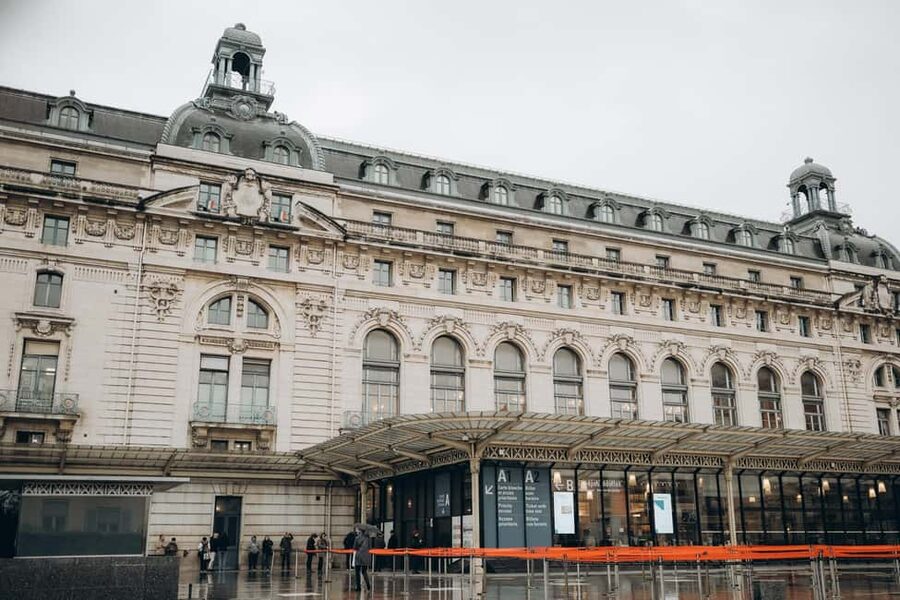
Your meeting point is outside the museum at 1 Rue de la Légion d’Honneur. Face the entrance, then look to the left for the rhinoceros statue. Your guide will be holding a green Walks sign.
Arrive 15 minutes early. This is not the moment to cut things close. The group must gather, the guide must check everyone in, and the tour uses a separate entrance for skip-the-line access. If you arrive at the last minute, you may create stress for yourself and the group.
The tour does not include hotel pickup or transportation. You make your own way to the museum, and the activity ends back at the same meeting point. That simple arrangement works well if you are already exploring the Left Bank, the Tuileries area, or the Seine nearby.
Bring a passport or identity card, as requested for the activity, and wear comfortable shoes. You will be walking through the museum at a moderate pace.
A few other Paris half-days to compare
- Paris: Musée d’Orsay Entry Ticket and Seine River Cruise
★ 4.6 · 1,344 reviews - Paris: Musée d’Orsay Skip-the-Line Tour with Expert Guide
★ 4.5 · 1,145 reviews - Musée d’Orsay Skip-the-Line Tour with Expert Guide
★ 4.8 · 1,088 reviews
From Railway Station to Art Museum
The first indoor stop is the museum’s Main Hall. This is where the guide explains the building’s former life as a railway station and how it became a home for art.
The hall’s ceiling vaults and broad interior are worth pausing over. You are not just being rushed toward the first famous canvas. The guide uses the building to set up a larger idea: the Musée d’Orsay connects an older academic art world with the more radical painters who began challenging its rules.
That introduction gives the visit a useful structure. Instead of receiving a string of isolated facts, you begin with the social and artistic changes that shaped the late 19th century. The best guides also use the museum’s layout to keep the story moving, so the route feels like a lesson with a clear direction rather than a random walk.
The group may use headsets. One practical issue is that audio equipment can sometimes be static, making it harder to hear. Stay near the guide when possible, and mention a sound problem quickly rather than trying to follow from the back.
The Paintings You Are Likely to See
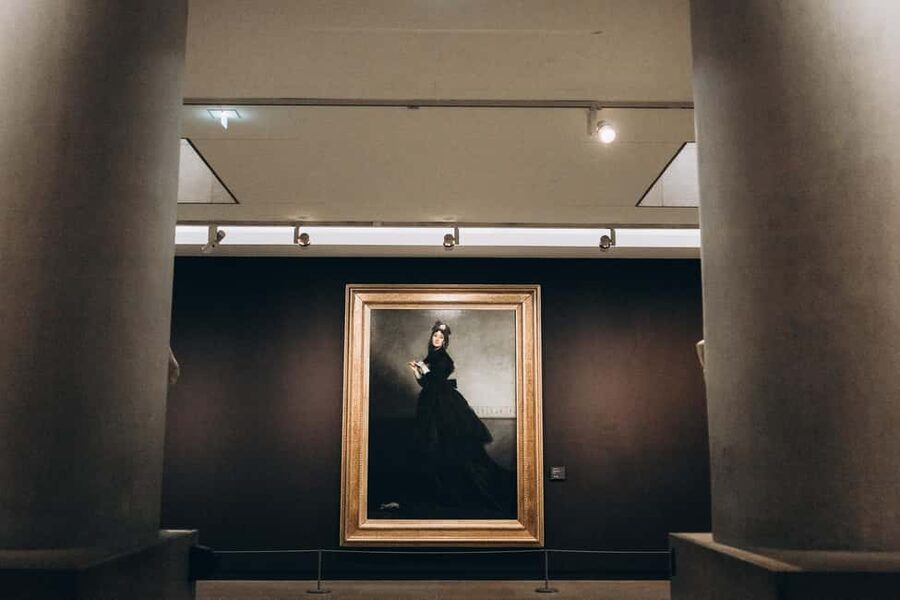
The tour’s central appeal is its selection of major works. The exact route can vary with museum conditions and crowd levels, but the planned focus includes several of the collection’s best-known paintings.
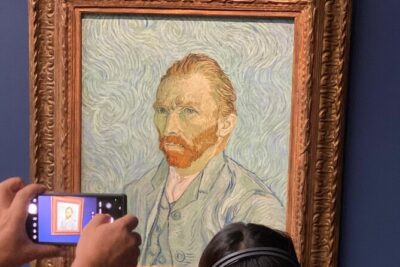
Vincent van Gogh receives strong attention, including his Self-Portrait and Starry Night Over the Rhone. These works give the guide a chance to discuss more than color and brushwork. You can expect attention to the artist’s approach, the mood of the scenes, and the place of Van Gogh within the movement toward modern art.
Édouard Manet is another key figure. Olympia and Luncheon on the Grass are not just famous because they look different from earlier paintings. They challenged accepted ideas about subject matter, presentation, and what deserved a place in serious art. A guide can help you see why these works felt confrontational in their own time.
Claude Monet appears through works such as Houses of Parliament. Monet’s paintings reward a close look, but museum crowds can make that difficult. The guide helps by directing your attention to specific details and by telling you when to step back to see the full effect.
Paul Gauguin is represented by Tahitian Women on the Beach. This is a chance to discuss Gauguin’s use of color and subject matter, as well as the broader questions surrounding European artists who painted places and people outside Europe. The tour’s value lies in giving the painting context rather than presenting it as a pretty tropical scene.
Paul Cézanne and other major artists round out the story. The collection is broad enough to show how painting moved toward new forms by the end of the century. You will not study every artist in detail, but you should come away with a clearer sense of how one generation pushed against the habits of the previous one.
A Tour About Change, Not Just Pretty Pictures
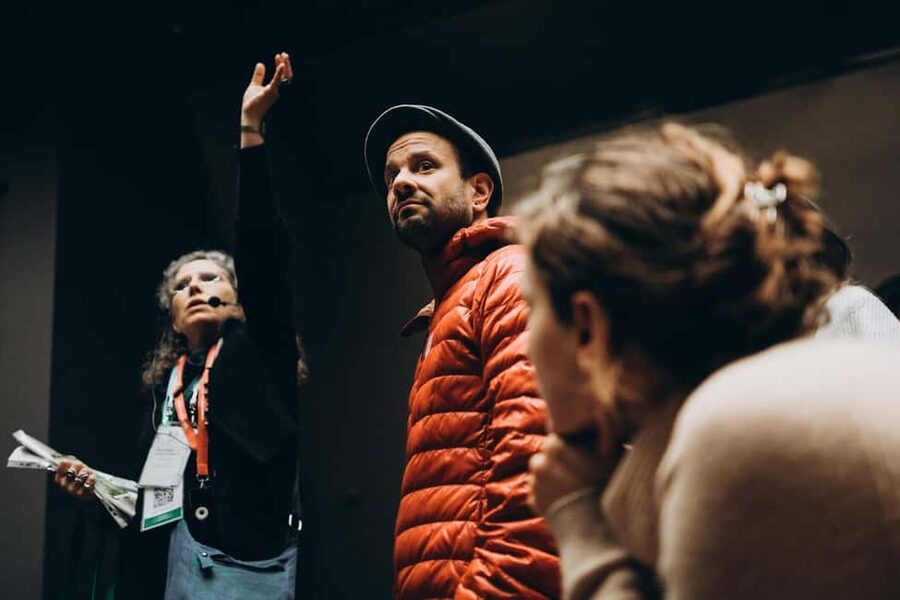
The most praised feature of this experience is the guide’s ability to explain art in plain language. Strong guides such as Ahmed, Hugo, Adam, Karolina, Laurence, Ari, Arvi, Belen, Belle, and Emily have been singled out for clear explanations, humor, storytelling, and a lively delivery.
You cannot request a particular guide with certainty from the information provided, so treat those names as examples of the standard the experience can reach, not a promise of who will lead your tour. Guide quality is always one variable in a walking tour. At its best, though, this format turns the museum into a connected story.
You may learn how to look at a painting, not just what year it was made. That distinction is important. A guide can ask you to notice the composition, the brushwork, the treatment of light, or the way a figure looks back at the viewer. Those prompts make the visit more active and help you remember what you saw.
The strongest reported guiding style combines art history with social context. Impressionism becomes a challenge to established ideas, not merely a soft style of sunlight and gardens. Later artists then appear as part of an ongoing argument about what painting could do.
That approach suits first-time art museum visitors, but it also benefits people who have already walked through the Musée d’Orsay. One person described returning to the museum with a completely different perspective after a guided visit. That is the real test of a good tour: it should change how you look, not only tell you where to stand.
Same city, a completely different afternoon:
- Paris: Louvre Museum Timed-Entrance Ticket
★ 4.6 · 71,977 reviews - Disneyland® Paris 1-Day Ticket
★ 4.6 · 49,412 reviews - Paris: Versailles Palace and Gardens Full Access Ticket
★ 4.6 · 41,579 reviews - Paris: Evening River Cruise with Music
★ 4.4 · 22,721 reviews
Two Hours Inside a Very Large Collection

Two hours is a sensible length for a focused museum introduction. It is long enough to visit important rooms and build a narrative, yet short enough to keep your attention from fading.
You should not expect to see every gallery. The Musée d’Orsay contains too much art for that. The guide’s job is to decide what earns your time and what can wait for another visit.
That selectivity is a benefit, but it also creates a tradeoff. If you want to spend 20 minutes studying one Van Gogh or wander through the sculpture rooms at your own speed, a self-guided visit may suit you better. The guided route keeps moving, and the group’s schedule comes first.
You may have time to return to favorite works after the tour, but the supplied details do not promise extra independent gallery time. If you want a longer museum visit, check the day’s arrangements before booking and plan around the two-hour guided portion.
Crowds are another factor. The museum can be very crowded, and there may be no perfect way to avoid them. A guide can help your group position itself and keep the route practical, but skip-the-line entry does not mean empty rooms or uninterrupted views.
Is the $73 Price Good Value?

At $73 per person, this is not the cheapest way to enter the Musée d’Orsay. The price includes the museum ticket, skip-the-line access, a walking tour, and a live English-speaking guide. You are paying for structure and interpretation as much as admission.
I think the price makes the most sense for a first visit, a short stay in Paris, or anyone who feels unsure about modern European art. You get a selected route through major works and a guide who can explain the connections between them. That can prevent a common museum mistake: spending a long time in the wrong rooms and leaving without seeing the paintings you came to find.
The value is less clear if you are already familiar with the collection, read art history for pleasure, or prefer a slow visit with no fixed route. In that case, the ticket and skip-the-line access may still appeal, but you may not need two hours of guided commentary.
Small-group and private options are available. A smaller setting can make it easier to ask questions and hear the guide, while a private tour may provide more direct attention. The exact group format should be checked when you select your booking.
Flexible booking also softens the risk. You can reserve now and pay later, and cancellation is free up to 24 hours before the start time for a full refund. The museum can close because of strikes, and last-minute changes may be communicated at the meeting point. Keep that possibility in mind when building a tightly packed Paris itinerary.
Who Will Enjoy This Musée d’Orsay Tour Most?
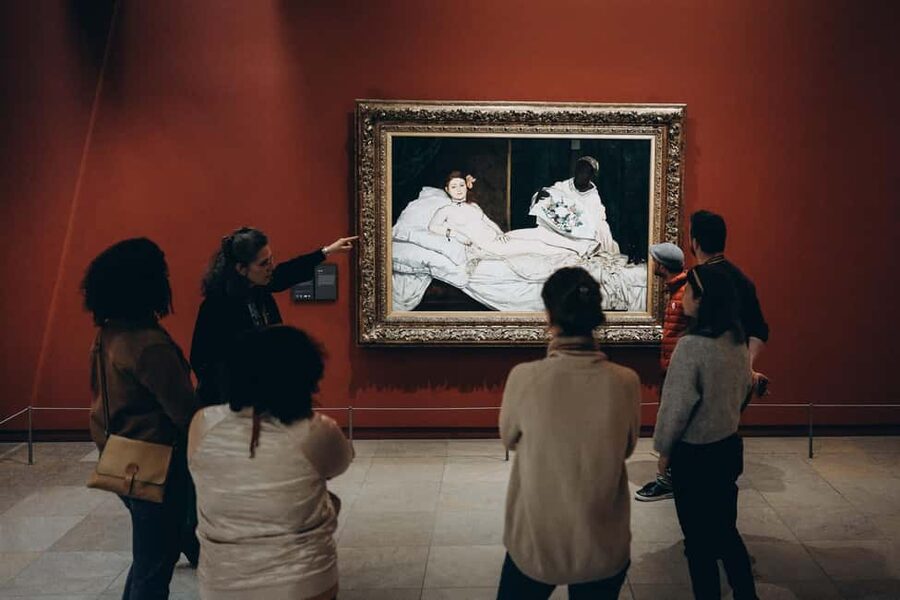
This tour is a good match for you if:
- You want to see Van Gogh, Monet, Manet, Gauguin, and Cézanne without planning your own route.
- You like art explained through history, ideas, and storytelling.
- You have only a few hours for the museum.
- You are visiting Paris for the first time and want a clear introduction.
- You prefer an English-language guide.
- You enjoy asking questions in a small group or private setting.
It is less suitable if you want complete independence, need a wheelchair or stroller, or cannot walk at a moderate pace. Baby strollers, luggage, and large bags are not allowed, so leave those behind.
The tour is also not ideal for a visitor who wants to cover every period and department in the museum. Its focus is the major late 19th-century painters and the artistic changes surrounding Impressionism.
Practical Ways to Prepare
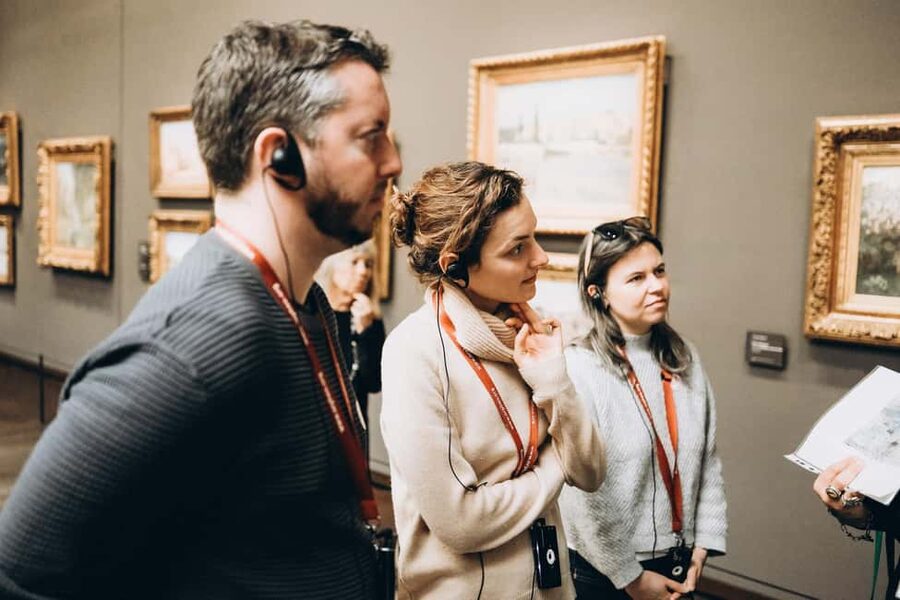
Before leaving for the museum, save the meeting address and note the rhinoceros statue as your landmark. The museum entrance can feel busy, and having one clear visual target is easier than trying to spot a guide in a crowd.
Arrive 15 minutes early. Bring your passport or ID card and wear shoes you can comfortably walk in for two hours. Do not bring a stroller, suitcase, or large bag.
Keep your expectations realistic about the skip-the-line benefit. You should enter through a separate entrance, but the galleries themselves may still be crowded. If you have a particular painting you hope to study closely, tell the guide early in the visit.
If you are new to Impressionism, do not worry about knowing the terminology. The tour is built for both serious art fans and people who simply want to understand what they are seeing. A lively guide can make the differences between Realism, Impressionism, and later modern styles much easier to grasp.
Should You Book It?
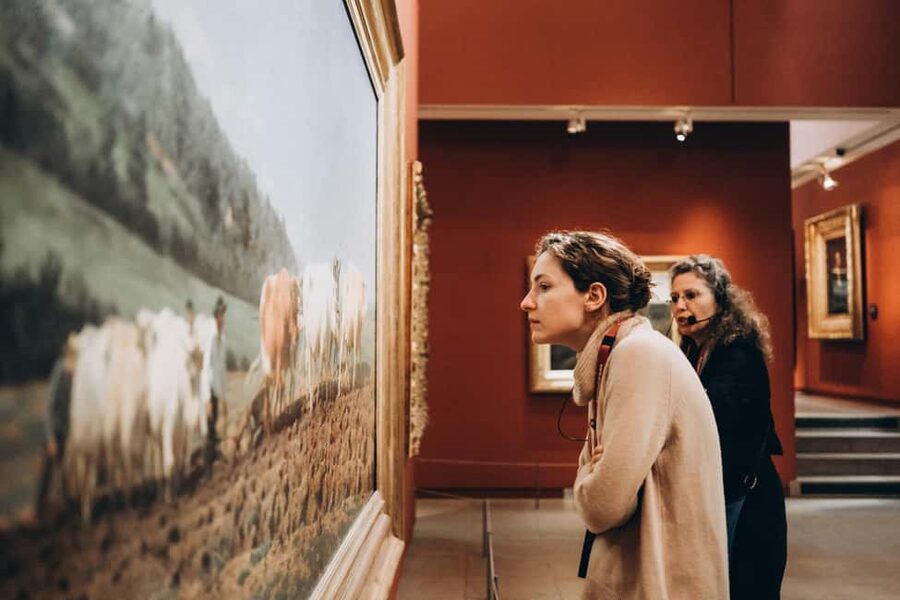
I would book this tour if you want the Musée d’Orsay’s major works to make sense as part of a larger story. The former railway station, the skip-the-line entry, and the focused selection of paintings make good use of a two-hour visit.
The biggest reason to choose it is the guide. Names such as Ahmed, Hugo, Adam, Karolina, Laurence, and Belen have been associated with the kind of clear, funny, story-led teaching that can transform a museum visit. But guide assignments vary, and that means some uncertainty is part of the purchase.
Book it for structure, context, and a manageable introduction. Skip it if you prefer to move slowly on your own, need accessible facilities, or want a full-day study of the collection. For most first-time visitors who want more than a quick look at famous paintings, $73 can be fair value, provided you accept the crowds and the fixed two-hour pace.
FAQ
Where does the Musée d’Orsay guided tour begin?
The tour begins at 1 Rue de la Légion d’Honneur, outside the Musée d’Orsay. Face the entrance and meet by the rhinoceros statue to the left. Your guide will hold a green Walks sign.
How early should I arrive?
Arrive 15 minutes before the scheduled start time so you can find the meeting point and join the group before entry.
How long does the tour last?
The guided museum visit lasts two hours. Starting times vary, so check availability when booking.
Is skip-the-line entry included?
Yes. The activity includes a skip-the-line Musée d’Orsay ticket and entry through a separate entrance.
What language is the tour conducted in?
The tour is conducted in English with a live guide.
Can I book a private tour or small-group tour?
Yes. Private and small-group formats are available, depending on the option you select.
Is the tour suitable for wheelchair users, visitors with mobility impairments, or strollers?
No. The activity is not suitable for wheelchair users, visitors with mobility impairments, or strollers. Baby strollers are also not allowed.
Just listed in Paris
- Chartres Cathedral 5 Hours Tour from Paris with Private Transport★ 4.5 · 49 reviews
- Paris: Giverny & Versailles Small Group or Private Tour★ 4.5 · 49 reviews
- Paris: Louvre photoshoot or Seine bridges Eiffel Tower walk★ 5.0 · 49 reviews
- Private tour of the Champagne area, meet local producers and taste their Champagne, start from your hotel in Paris.★ 5.0 · 50 reviews
- Paris: Choux Pastry and Chocolate Éclair Making Class★ 4.9 · 50 reviews
- Paris Eternelle Notre-Dame Virtual Reality Tour★ 4.5 · 50 reviews
- Normandy D-Day Landing Beaches Private Day Trip from Paris★ 5.0 · 50 reviews
- Disneyland® Paris 1 Day with Round-Trip Train Tickets from Paris★ 4.0 · 50 reviews
Musee d Orsay & Orangerie Tours, compared.
Musée d’Orsay Entry Ticket and Seine River Cruise
Read our review →
Musée d’Orsay Skip-the-Line Tour with Expert Guide
Read our review →
Musée d’Orsay Skip-the-Line Tour with Expert Guide
Read our review →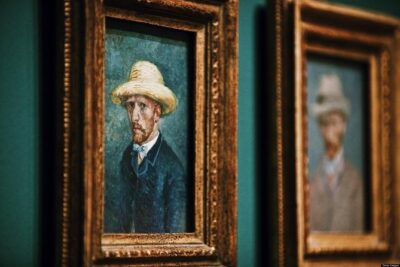
The Musée d’Orsay Guided Tour Orsay Museum Semi-Private 6ppl Max
Read our review →
Louvre & Musée d’Orsay Guided Museum Tour Semi-Private 6ppl Max
Read our review →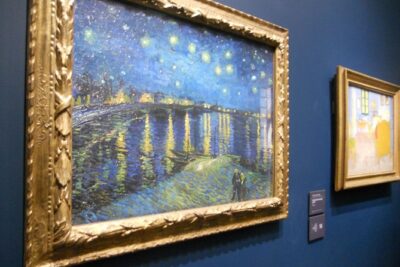
Orsay Museum – Exclusive Guided Tour (Reserved Entry Included)
Read our review →Browse the lists this tour appears in