
Reviewed · MUSEE D ORSAY & ORANGERIE TOURS
Paris: Orsay Museum Masterpieces Guided Tour
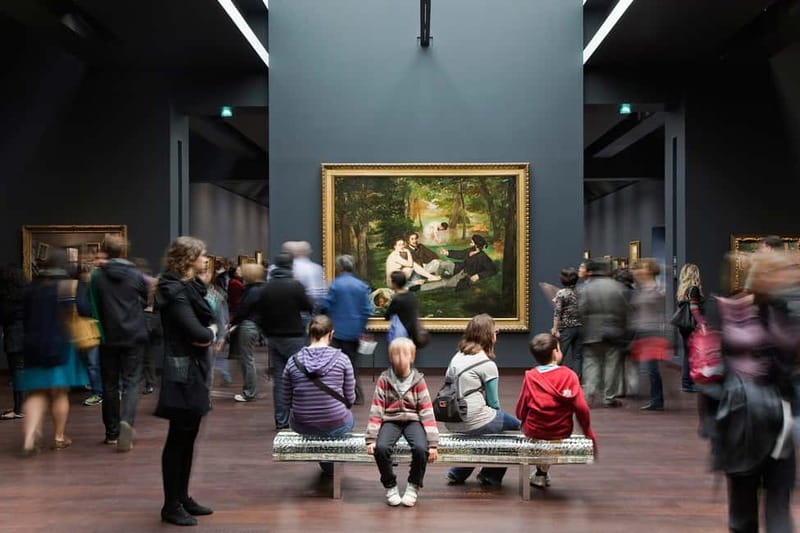
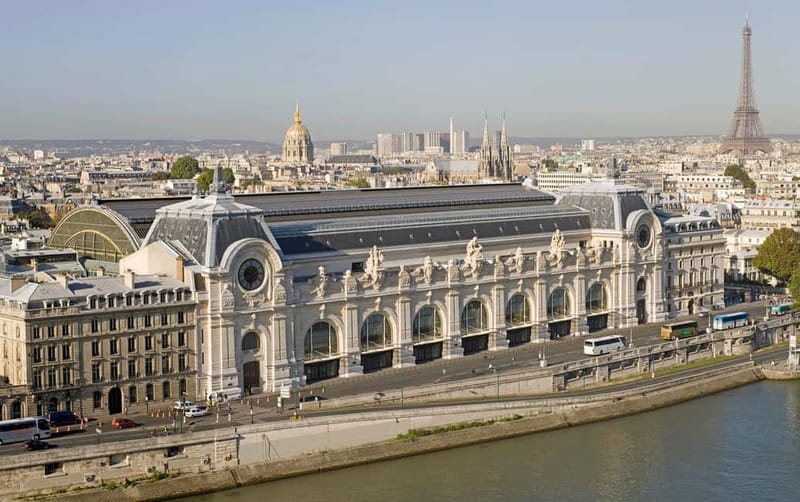
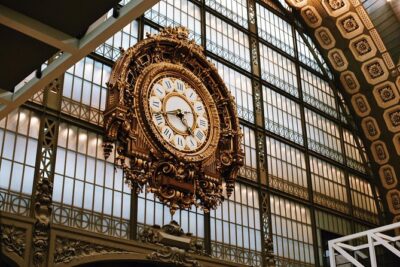
The Musée d’Orsay occupies a former railway station, and that setting is part of the pleasure. Its great clock faces, broad Beaux-Arts interior, and superb collection make it one of Paris’s most rewarding museums. This two-hour tour takes you straight to major Impressionist and Post-Impressionist works, including Van Gogh’s Starry Night over the Rhône and Renoir’s Dance at Le Moulin de la Galette.
I like the reserved museum entry, which saves precious Paris time, and I like the choice between a group of up to 25 and a semi-private group of six. Guides such as Anais, Hamish, Abed, Blerta, and Erwan have been praised for tying paintings to politics, French history, technique, and the personalities behind the art.
The main drawback is pace. Two hours can give you a strong first look, but the Orsay is too large for a complete visit. Crowds can also make it hard to hear or linger, and the museum cannot accommodate wheelchair users, strollers, baby carriages, or guests needing special assistance.
Key points at a glance
- A former train station filled with art: The museum’s grand architecture is an important part of the visit, not just a backdrop.
- Reserved entry saves time: You avoid the standard ticket line, though the museum can still be busy inside.
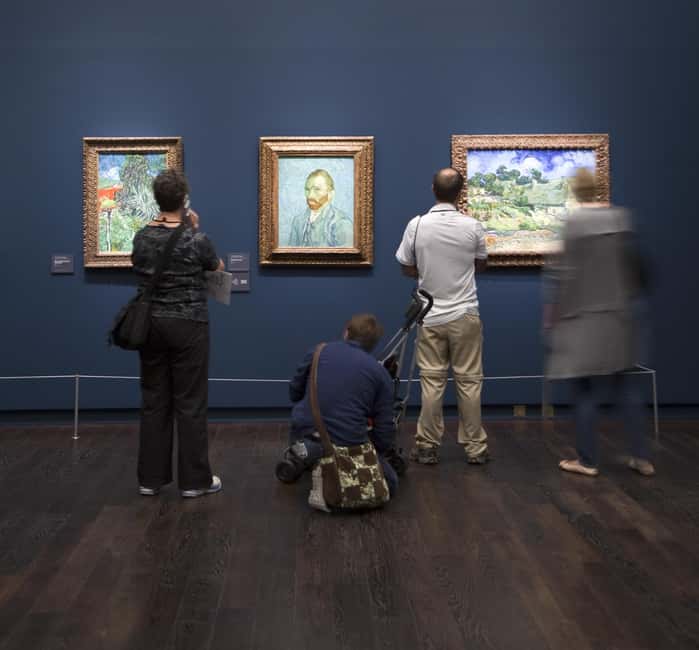
- Major Impressionist names: Expect Monet, Renoir, Manet, Degas, Cézanne, Van Gogh, and other French artists.
- Two group sizes: Pick a semi-private group capped at six or a larger group capped at 25.
- A guide adds the missing connections: The strongest tours link art techniques with French politics, history, and the lives of the artists.
- Plan for more museum time: The two-hour route is an introduction, so add a few hours afterward if you want to explore on your own.
Why the Orsay works so well for a guided visit
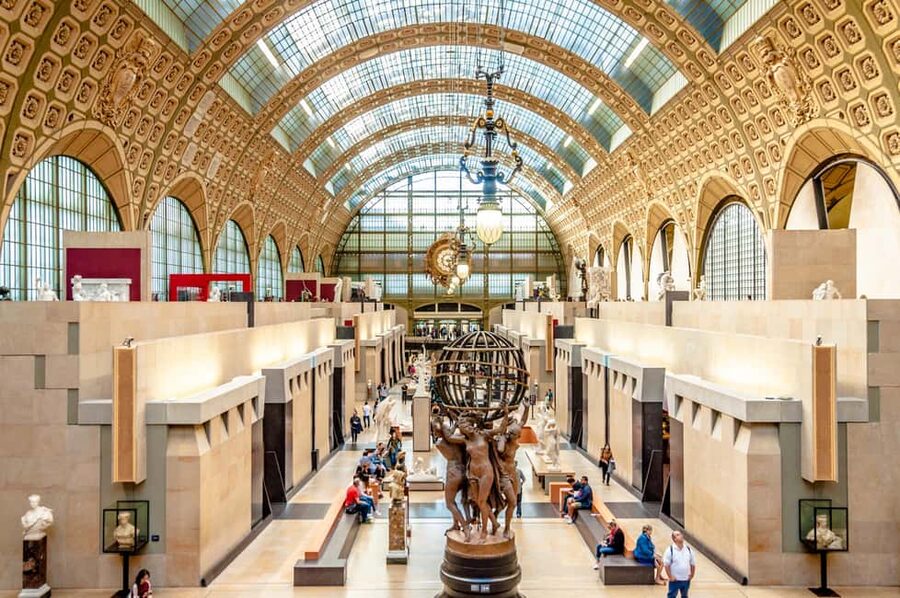
The Musée d’Orsay is easier to appreciate once you understand its place in Paris. The building began life as a railway station, and the museum’s scale still reflects that original purpose. You enter a grand public space, then move through galleries where French painting changed direction in the late 19th century.
That change is the heart of the tour. Impressionist artists faced serious criticism when their work first appeared. Their loose brushwork, bright color, and everyday subjects looked unfinished to many people at the time. A good guide helps you see why those choices mattered instead of treating the paintings as a parade of pretty scenes.
I find this especially useful at the Orsay because the collection covers a period of rapid artistic change. You may see a formal work by Manet near a painting that pushes much farther toward Impressionism. From there, Monet and Renoir help show how artists began to treat light, movement, and modern life in new ways.
A self-guided visit can certainly work, especially if you already know what you want to see. But the museum’s major works are spread through a large building, and the connections between artists are not always obvious. The guide gives you a route and a story, which is valuable when your Paris schedule is tight.
A few other Paris half-days to compare
- Paris: Musée d’Orsay Entry Ticket and Seine River Cruise
★ 4.6 · 1,344 reviews - Paris: Musée d’Orsay Skip-the-Line Tour with Expert Guide
★ 4.5 · 1,145 reviews - Musée d’Orsay Skip-the-Line Tour with Expert Guide
★ 4.8 · 1,088 reviews
Meeting at the elephant statue outside the museum
The tour begins at 5 Rue de la Légion d’Honneur, in the courtyard in front of the main entrance. Look for the large elephant statue. Your guide waits there with a company sign, so allow enough time to reach the courtyard and find the correct meeting spot.
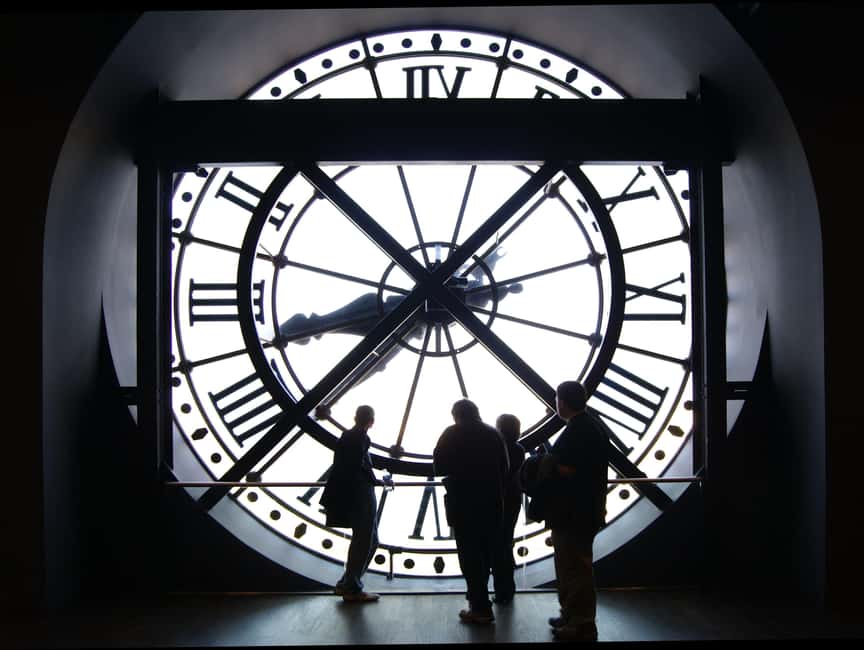
The museum faces the Seine on Quai Anatole France. From the river side, look for the large former station with two clocks on its facade. The courtyard sits between Quai Anatole France and Rue de la Légion d’Honneur.
Public transport is straightforward. The nearest stop is Musée d’Orsay on RER Line C. You can also use Metro Line 12 to Solferino, leave by exit 2 marked Musée d’Orsay, turn left, and walk up Rue de Bellechasse.
Transportation is not included, so you make your own way there. This is not a problem for most visitors, but the meeting point deserves attention. The Orsay is a major Paris landmark, yet the surrounding streets and entrances can be confusing if you arrive at the last minute.
Reserved entry and the first minutes inside
The pre-booked admission is one of the tour’s most useful features. You skip the ticket line, which can otherwise eat into a short museum visit. This does not mean the building will be empty. The Orsay remains one of Paris’s busiest art museums, especially during standard visiting hours.
Once inside, expect the guide to establish the museum’s setting and explain the period covered by the tour. Some guides also use the building itself as an opening lesson, pointing out its former railway function and architectural details before moving toward the collection.
The audio headset is provided when needed. That matters in crowded rooms, where a guide speaking to a group can be difficult to follow. Equipment is not foolproof, though. Hamish handled audio problems calmly during one tour, but you should still tell the guide quickly if you cannot hear clearly.
The museum is not fully air-conditioned. Many sections may feel warm, particularly when the rooms are crowded. Wear comfortable shoes and dress for a fair amount of walking. The two-hour route is not physically extreme, but you will be on your feet and moving between galleries.
The Impressionist masterpieces you are there to see
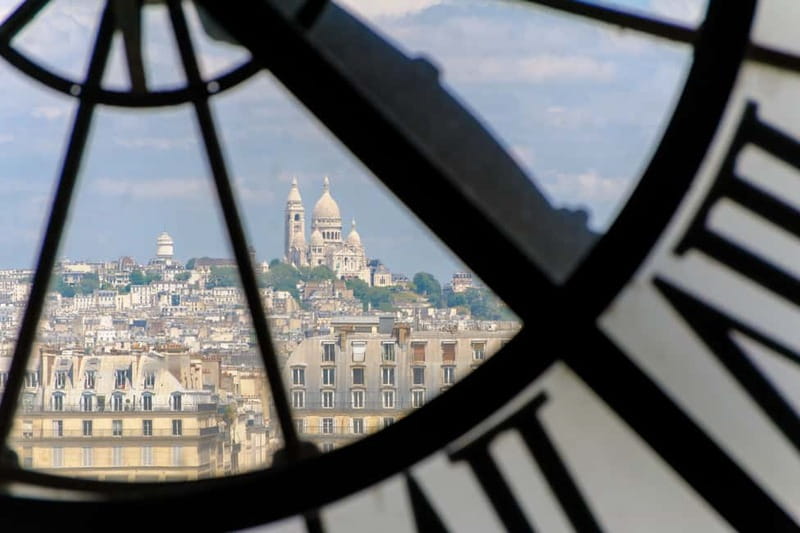
The tour centers on the Orsay’s celebrated Impressionist and Post-Impressionist collection. The exact order can vary, but the main focus includes works by Monet, Renoir, Manet, Degas, Cézanne, and Van Gogh.
Monet’s paintings are a key reason many people book this experience. A guide can draw your attention to his handling of light, shifting color, and scenes of modern French life. Instead of seeing a Monet only as a pleasant view, you begin to notice how the paint creates atmosphere and movement.
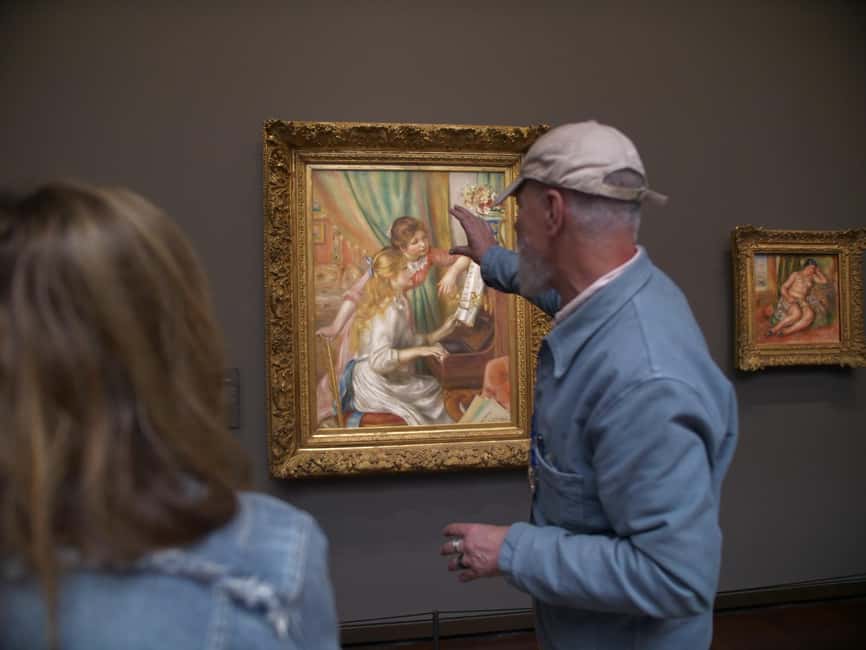
Renoir’s Dance at Le Moulin de la Galette offers a different kind of lesson. It presents a lively Paris Sunday, with figures, sunlight, and social activity packed into one scene. The painting is not only about technique. It also gives you a glimpse of how artists turned ordinary leisure into serious modern subject matter.
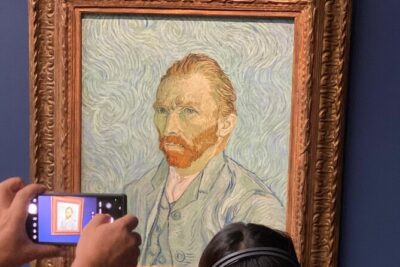
Van Gogh’s Starry Night over the Rhône brings a more personal and forceful style into the route. The painting’s night sky, river reflections, and intense color give a guide plenty to discuss about Van Gogh’s way of seeing. The work also helps mark the move from Impressionism toward the stronger personal expression of Post-Impressionism.
Cézanne, Degas, and Manet add further contrast. Cézanne’s structure can prompt discussion about how forms are built. Degas brings a sharp eye for movement and the human figure. Manet helps explain the break with academic expectations and the artistic arguments that shaped the period.
You should not expect to stand in front of every famous painting for a long time. The guide needs to keep the group moving, and crowds may limit your view. Still, a focused explanation can make five or six major works more memorable than a rushed attempt to see dozens without context.
More museums in Paris:
- Paris: Louvre Museum Timed-Entrance Ticket
★ 4.6 · 71,977 reviews - Louvre Museum Masterpieces Guided Tour with Access
★ 4.5 · 12,023 reviews - Paris: Louvre Museum Entry Ticket With Host and River Cruise
★ 4.6 · 9,926 reviews - Les Invalides: Napoleon’s Tomb & Army Museum Entry
★ 4.6 · 9,185 reviews
What the strongest guides add
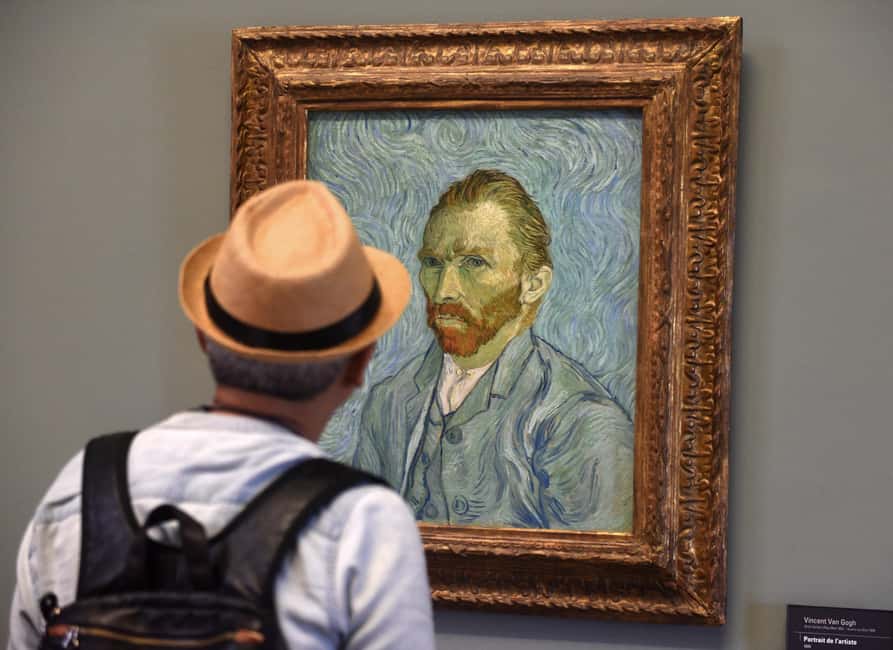
The guide is the main reason to choose this tour instead of simply buying museum admission. The best guides do not just identify artists and dates. They explain what you are looking at, why it was unusual, and how one artist’s choices relate to another’s.
Anais has been singled out for clear explanations of both art and historical context. Her approach includes painting techniques, artistic developments, and details that help you focus on particular parts of a work. She also makes time for questions, which is important if you want more than a prepared speech.
Abed has been praised for passion and for connecting the art to the period in which it was made. Erwan has been described as bringing in stories, politics, history, and practical ways to understand the artist and the painting. Blerta has an art background and explains technique in an engaging way.
Other guides, including Hamish, Florence, Irwin, Addy, Eric, Yen, and Summer, have also led tours. Summer is noted for a comfortable speaking pace, flexibility, and willingness to answer questions. Florence is particularly effective at guiding a group through crowded rooms while linking artists and historical events.
Guide quality can vary in style. One visitor found a guide’s English somewhat difficult to follow despite strong subject knowledge. That is a fair consideration for an English-language tour. Most of the guide feedback is very positive, but clear speech matters as much as expertise when you are standing in a noisy gallery.
Choosing between six people and 25
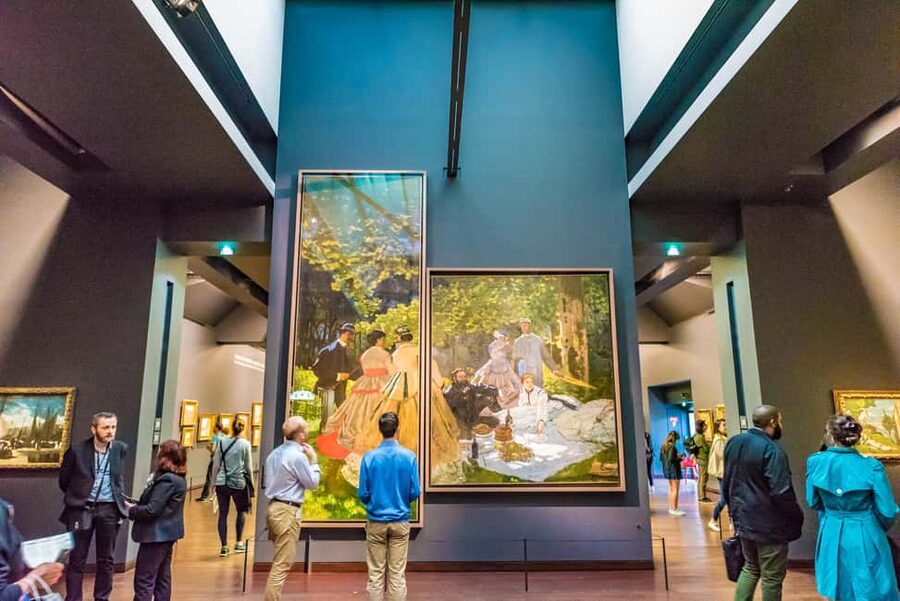
The semi-private option is limited to six people. I would choose it if you want more chances to ask questions, a quieter feel, and a better chance of staying close to the guide in crowded rooms.
The larger group accepts up to 25 people. It may suit you if price matters most or if you prefer a standard group outing. The headset helps, but the experience can feel less personal, especially when the museum is busy.
A group of 25 is not automatically a poor choice. A skilled guide can still keep the route moving and explain the key works clearly. But the larger the group, the more important it becomes to stay close, watch for the guide’s sign or headset, and avoid drifting behind while taking photographs.
At $60 per person, the tour is not the cheapest way into the Orsay. The price includes museum admission, reservation fees, an English-speaking art historian, and the guided route. You are paying mainly for saved time and interpretation.
For a first visit, that can be good value. The Orsay’s collection is large, and a focused route helps you use two hours well. If you are already familiar with Impressionism, speak French, or enjoy setting your own pace, regular admission and a guidebook may suit you better.
The two-hour route and its limits
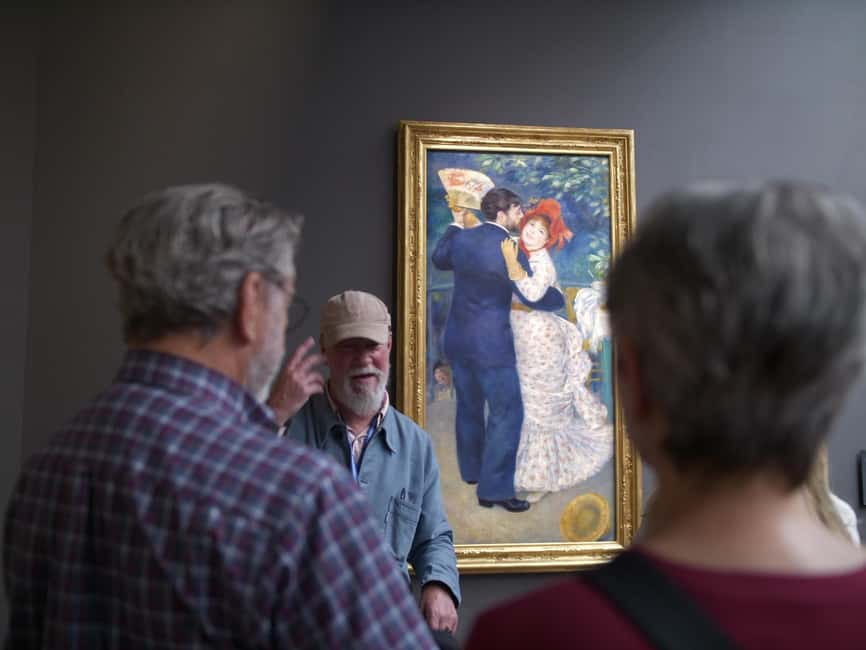
The advertised duration is two hours, with starting times depending on availability. The tour begins and ends at the same meeting point, so you do not need to arrange a separate pickup or find your way across Paris afterward.
A two-hour highlights tour is best treated as a strong introduction. You will see important works and gain a framework for understanding the collection, but you will not cover every gallery or spend long stretches with each artist.
I recommend keeping several hours free after the tour if you can. The guided portion tells you where the museum’s major ideas and works fit together. Afterward, you can return to paintings that caught your attention and explore at your own speed.
That extra time is also useful if crowds prevent a good view during the group visit. The Orsay can be busy, and the guide may need to move on before everyone has had a clear look. A return visit within the same museum day should not be assumed from the information provided, so ask your guide or museum staff about your admission conditions if you hope to stay after the tour.
Practical limits you should know before booking
Wear comfortable shoes. The route involves a fair amount of walking and standing, and the museum’s size makes sensible footwear more important than fashionable footwear.
Large bags and luggage are not allowed. Backpacks, baby strollers, and baby carriages are also prohibited for this activity. Pack lightly and avoid arriving with airport luggage, since transportation and baggage storage are not included.
The tour cannot accommodate wheelchair users or people with impairments requiring special assistance. This is a firm limitation and should guide your booking decision.
Flash photography is not allowed. Bring a phone or camera for permitted photographs, but follow the museum’s rules in each gallery. A crowded room is also a poor place to stop for long photo sessions, since you may block the group’s route.
Free cancellation is available up to 24 hours before the start for a full refund. You can also reserve now and pay later, which helps if your Paris plans are still shifting. Starting times must be checked when you select a date.
Who will get the most from this Orsay tour
This tour fits a first-time Orsay visitor who wants the main works without spending hours planning a route. It also suits anyone who likes art more when a guide explains the people, arguments, and techniques behind it.
Families with older children may enjoy the storytelling approach, particularly with a guide who involves younger members of the group. Addy, for example, made a point of including children in the discussion. The walking and concentration required may not suit very young children, and strollers are not permitted.
The semi-private option is the better choice for serious art fans, people with detailed questions, or anyone who dislikes the feel of a large group. The 25-person option makes more sense when keeping the cost down is the main goal.
You should skip this tour if you need wheelchair access, require special assistance, or want to spend ten minutes studying every painting. You may also prefer a self-guided visit if your interests lie outside the Impressionist and Post-Impressionist focus.
Should you book the Musée d’Orsay Masterpieces Tour?
Book it if you want an efficient first look at one of Paris’s essential museums, especially if you value context as much as the paintings themselves. The reserved entry, English-speaking art historian, and focused two-hour route make the $60 price easier to justify.
Choose the semi-private group if you can afford the upgrade and want a more personal experience. Choose the larger group if you mainly want the guide’s route and the convenience of entering without waiting in the regular ticket line.
My practical advice is to schedule this early enough in your Paris stay that you can return to the Orsay’s galleries afterward. The tour gives you the map and the story. A little unhurried time afterward lets the art become your own.
FAQ
How long is the Musée d’Orsay guided tour?
The tour lasts two hours. Starting times vary, so check availability for your chosen date.
What language is the tour conducted in?
The tour is conducted in English by a live English-speaking art historian guide.
Where do I meet the guide?
Meet in the courtyard in front of the main entrance to Musée d’Orsay at 5 Rue de la Légion d’Honneur. The guide waits at the foot of the large elephant statue with a company sign.
How do I reach the meeting point by public transport?
Take RER Line C to Musée d’Orsay, or Metro Line 12 to Solferino. From Solferino, leave through exit 2 marked Musée d’Orsay, turn left, and walk up Rue de Bellechasse.
Is museum admission included?
Yes. Entrance and reservation fees for Musée d’Orsay are included.
Does the tour include transportation?
No. You are responsible for reaching the meeting point and arranging any transportation afterward.
How many people are in each group?
You can choose a semi-private tour for up to six people or a group tour with a maximum of 25 people.
Are headsets provided?
A headset is provided when necessary so you can hear the guide clearly.
Can I bring a stroller or large bag?
No. Baby strollers, baby carriages, luggage, large bags, and backpacks are not allowed for this activity.
Is the tour wheelchair accessible?
No. The activity cannot accommodate wheelchair users or people with impairments requiring special assistance.
Just listed in Paris
- Chartres Cathedral 5 Hours Tour from Paris with Private Transport★ 4.5 · 49 reviews
- Paris: Giverny & Versailles Small Group or Private Tour★ 4.5 · 49 reviews
- Paris: Louvre photoshoot or Seine bridges Eiffel Tower walk★ 5.0 · 49 reviews
- Paris: Choux Pastry and Chocolate Éclair Making Class★ 4.9 · 50 reviews
- Private tour of the Champagne area, meet local producers and taste their Champagne, start from your hotel in Paris.★ 5.0 · 50 reviews
- Paris Eternelle Notre-Dame Virtual Reality Tour★ 4.5 · 50 reviews
- Normandy D-Day Landing Beaches Private Day Trip from Paris★ 5.0 · 50 reviews
- Disneyland® Paris 1 Day with Round-Trip Train Tickets from Paris★ 4.0 · 50 reviews
Musee d Orsay & Orangerie Tours, compared.
Musée d’Orsay Entry Ticket and Seine River Cruise
Read our review →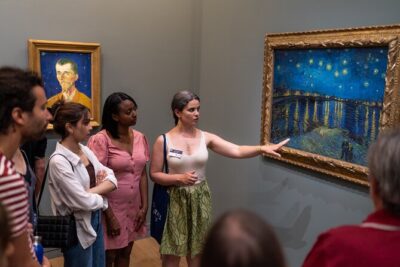
Musée d’Orsay Skip-the-Line Tour with Expert Guide
Read our review →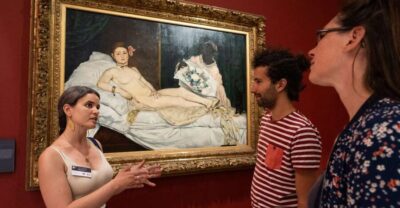
Musée d’Orsay Skip-the-Line Tour with Expert Guide
Read our review →
The Musée d’Orsay Guided Tour Orsay Museum Semi-Private 6ppl Max
Read our review →
Louvre & Musée d’Orsay Guided Museum Tour Semi-Private 6ppl Max
Read our review →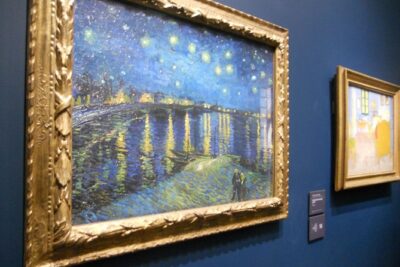
Orsay Museum – Exclusive Guided Tour (Reserved Entry Included)
Read our review →Browse the lists this tour appears in