
Reviewed · COLMAR TOURS
Visit of Choco-story COLMAR, the Chocolate Museum.
Chocolate has a better story than most museum subjects. At Choco-Story COLMAR, you follow cocoa from a monkey tasting beans in a forest to Quetzalcoatl, Spanish ships, European royal courts, and modern production. The interactive displays keep this from feeling like a string of glass cases.
I like the playful approach, especially the moving scenes, body-tracking choco scanner, photo-friendly royal chairs, and chocolate sculptures. I also like that you can set your own pace with an audio guide and finish with chocolate tasting. The main drawback is simple: at about 90 minutes, the visit is more of a lively introduction than a detailed study of chocolate making. Hot chocolate costs extra.
Key points to know before you go
- A cocoa story with a clear timeline: Follow chocolate from pre-Hispanic use through Spanish exploration, European courts, and industrial production.
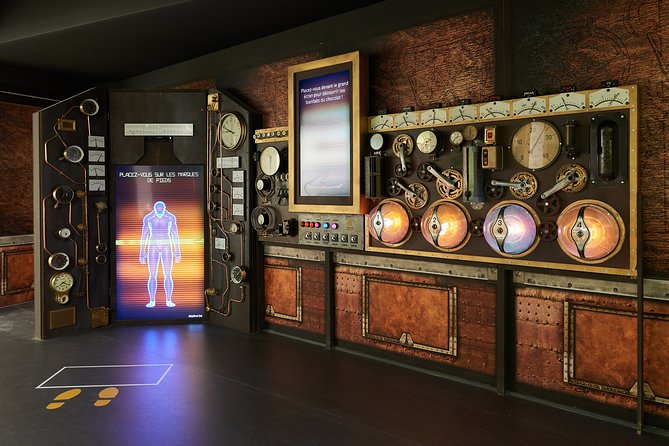
- Interactive scenes for all ages: Expect films, 3D projections, moving props, games, and a body-tracking choco scanner.
- A 250-kilogram chocolate Statue of Liberty: The second floor brings out large chocolate sculptures in a cabaret-style presentation.
- Tasting is included: You get chocolate to try, but the hot chocolate drink is not part of the admission.
- Plan for about 90 minutes: The visit works well during a Colmar city break and returns to the meeting point.
- Useful for families: Children have games and hands-on moments, while adults get the wider story of cocoa and chocolate.
A chocolate museum with a real story to tell
The best reason to visit Choco-Story COLMAR is that it treats chocolate as more than a sweet snack. You see how a plant from the Americas became a prized food in Europe, then an industrial product made on a huge scale.
That story gives the visit some shape. Instead of moving randomly from one chocolate object to another, you progress through time. Each room adds a new piece: the cocoa tree, pre-Hispanic beliefs, Spanish contact, courtly fashion, factory production, and the modern chocolatier.
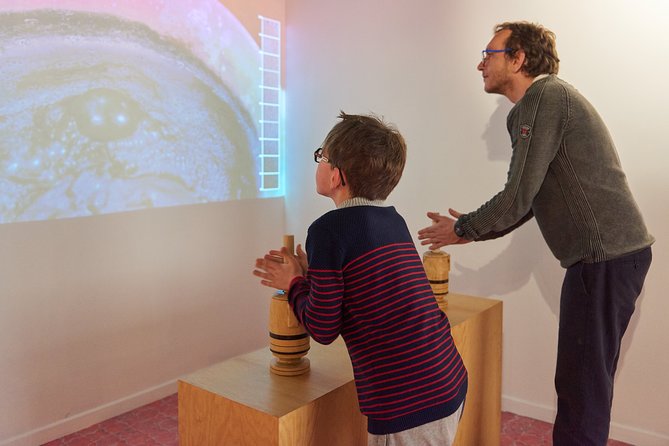
You will not need a long attention span. The displays use sound, movement, video, and simple physical interaction. That makes the museum particularly useful on a family day in Colmar, when younger children may not want a traditional history museum.
The visit is priced at about $18.02 per person. I see that as reasonable if you use the full 90 minutes, sample the chocolate, and take time with the displays. It is less compelling if you only want a quick tasting, since the admission pays for the story and the interactive presentation as much as for the sweets.
A few other Colmar half-days to compare
- Colmar : 45-minute Chocolate Making Workshop at Choco-Story
★ 4.6 · 120 reviews - Paris: Day or Sunset Cruise with Drink, Ice Cream or Dessert
★ 4.4 · 4,225 reviews - Paris: Entrance Ticket to the Chocolate Museum
★ 4.1 · 1,105 reviews
From forest floor to cocoa bean
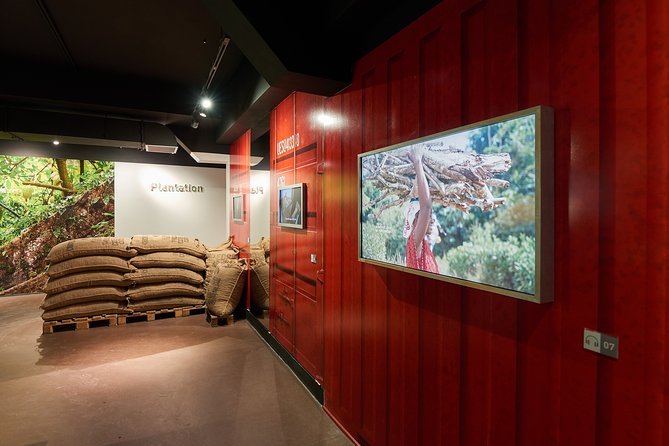
The first scene places you in a tropical forest. An animated panel shows a small monkey tasting cocoa beans, a light opening that makes the plant feel less distant and technical.
This beginning is useful because it starts with the raw material. Cocoa does not arrive at the museum as a finished bar. You first meet the fruit and the beans, then learn how people gave them meaning and turned them into a food enjoyed around the world.
The presentation is playful rather than scientific. If you want detailed botany, farming data, or a long explanation of fermentation, you may find this section fairly light. If you want an easy introduction that holds a child’s attention, it does the job well.
The audio guide helps connect the scenes. The included information specifies six audio-guide languages, while the general description refers to four languages, so it is sensible to confirm your preferred language when booking. No named live guide is provided in the information available, so you should expect a self-guided visit rather than a tour led by a person.
Quetzalcoatl and the pre-Hispanic chapter
The next major stop is an Aztec temple. Here you meet Quetzalcoatl, the feathered serpent god who, according to legend, brought cocoa to earth.
This section gives cocoa a cultural setting. You are not simply told that chocolate began somewhere in the Americas. You see how the plant appeared in mythology and belief, which adds meaning to the bean before it reaches Europe.
The temple scene also helps break up the factual material. A museum can lose children when every panel is text. A recognizable figure, a staged environment, and audio narration make the story easier to follow.
I would take a moment here rather than rushing toward the tastings. The Aztec chapter explains why cocoa mattered before Europeans changed its place in the world. It also reminds you that chocolate began as an American crop with its own traditions, not as a European invention.
A Spanish ship in the sixteenth century
The museum then shifts to a Spanish ship. The floor creaks, hurricane lamps move, and the windows suggest the sea outside.
This is one of the more theatrical parts of the visit. The effects create a sense of travel and uncertainty without requiring a long explanation. You can picture cocoa crossing the Atlantic and entering a new chapter.
The ship scene is not a substitute for a full account of Spanish conquest or colonial trade. The museum keeps its focus on cocoa and chocolate. Still, the setting makes the change in geography easy to grasp: the bean leaves the Americas and begins its path toward European kitchens and courts.
This is also a good moment to notice the museum’s overall method. You are moved through a sequence of small environments, with sound and visual effects doing much of the work. The visit is designed for steady motion and personal pacing, not for sitting through a formal lecture.
More museums in Colmar:
- Paris: Louvre Museum Timed-Entrance Ticket
★ 4.6 · 71,977 reviews - Louvre Museum Masterpieces Guided Tour with Access
★ 4.5 · 12,023 reviews - Paris: Louvre Museum Entry Ticket With Host and River Cruise
★ 4.6 · 9,926 reviews - Les Invalides: Napoleon’s Tomb & Army Museum Entry
★ 4.6 · 9,185 reviews
European courts, royal chairs, and a little silliness
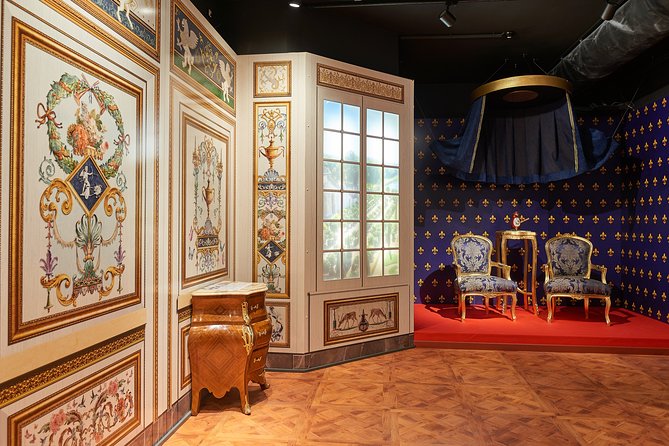
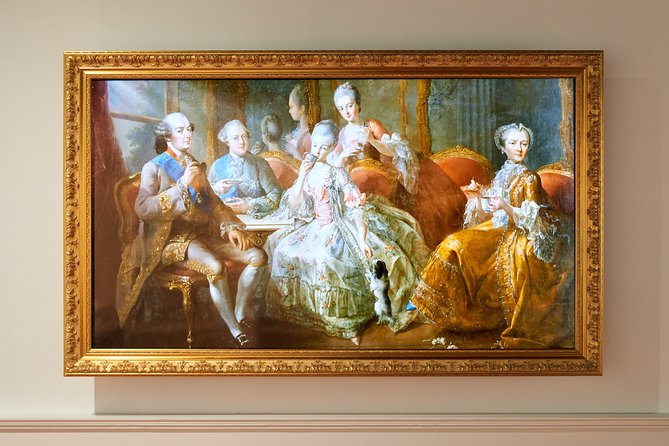
Chocolate later enters European courts, and the museum lets you enjoy that change with royal armchairs made for photographs.
The chairs are a small feature, but they matter. After the forest, temple, and ship, the royal setting shows how chocolate shifted from a foreign product to something associated with status and ceremony. It also gives families a chance to pause and play.
I like that the museum does not insist on solemn behavior. The photo moment, spontaneous games, and physical activities make the visit feel social. One especially useful feature is the chance to play along with the displays instead of merely reading about them.
The tradeoff is that the experience may feel too light for someone seeking a scholarly account of European chocolate culture. The museum favors broad storytelling, visual jokes, and memorable scenes. You get the main idea quickly, but not every historical detail.
The choco scanner turns you into part of the display
One of the museum’s more unusual features is the choco scanner. It follows your body movements and uses them to present information about the benefits of the cocoa tree’s fruit.
This is the kind of activity that can pull a reluctant child into the visit. You do not just stand in front of a screen. Your movements become part of the presentation, giving the museum a brief game-like break.
The wording about cocoa’s benefits deserves a sensible approach. Chocolate can be discussed as food, culture, and agriculture, but a playful museum display is not a medical guide. Enjoy the feature for what it is, and do not treat it as a detailed health consultation.
For adults, the scanner may be a quick diversion rather than the main attraction. For families, it can be one of the moments that keeps the pace lively.
The second floor shifts from tradition to industry
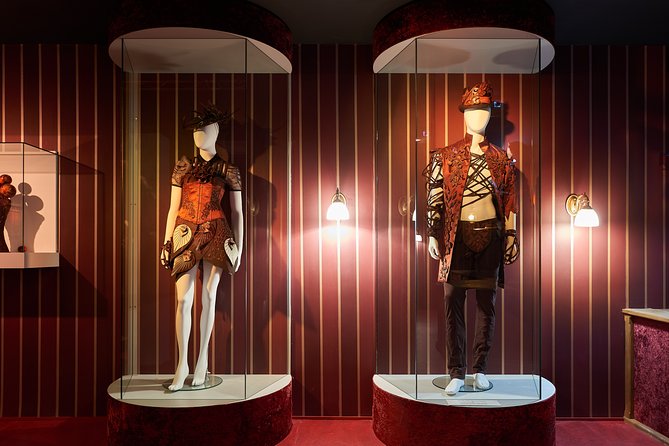
The second floor focuses on industrialization. This is where the story changes from cocoa as a rare or special product to chocolate made through modern production.
That shift is important. It explains why chocolate became available to far more people and why the food moved from courtly luxury toward an everyday treat. The museum keeps the subject accessible, so you should expect a broad explanation rather than a technical factory tour.
The cabaret show gives this section its biggest visual hit. A 250-kilogram Statue of Liberty made of chocolate lights up the room, joined by other chocolate sculptures.
The scale is the point. You see what skilled chocolatiers can create when chocolate becomes both food and material. The sculptures are not just decorative. They underline the museum’s larger theme: chocolate can be shaped into something familiar, theatrical, and surprising.
Take your time around this part if you enjoy food design or photography. It is also a strong stop for children because the objects are easy to understand at a glance. The drawback is that large sculptures tell you more about presentation than about the hard work of industrial production. If machinery and factory mechanics are your main interest, this may feel brief.
Recipes from three master chocolatiers
A giant screen features three master chocolatiers presenting their recipes. This adds a practical touch after the historical sections.
You get to see chocolate as something made by hand, not only as a mass-produced bar. The recipe demonstrations help connect the museum’s past and present: cocoa has a long story, but the finished product still depends on technique, timing, and skill.
Do not expect a hands-on cooking class. The information describes filmed recipes, not a workshop where you make your own truffles or bars. Still, the screen gives you ideas to take home and helps explain why professional chocolate making is more than melting and mixing.
This section may appeal most to adults and serious sweet fans, while children may spend more time with the moving displays and games. The visit works because it offers both kinds of material in the same route.
Tasting makes the visit feel complete
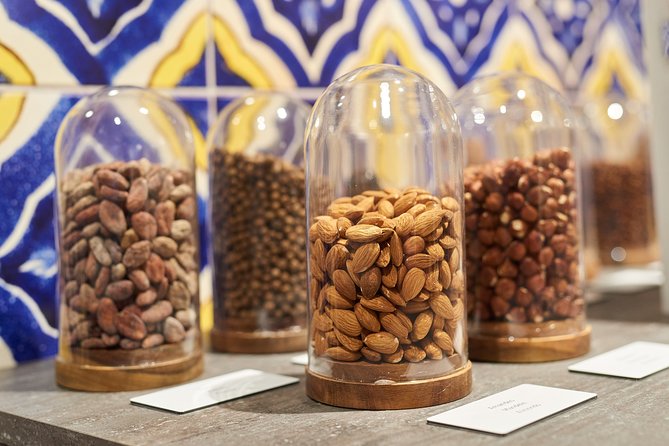
Chocolate tasting is included, and that changes the value of the admission. You are not only hearing how cocoa becomes chocolate. You also get to try the result.
The tasting is a welcome payoff, especially after the museum has spent time explaining the plant, the journey, and the production process. I would not book this expecting a long tasting menu, since the supplied information does not specify the number or type of samples. Think of it as part of the museum visit, not a separate tasting event.
Hot chocolate is not included. That detail matters if you are comparing the price with a café stop or planning a warm drink afterward. The tasting gives you a sample of chocolate, but you should budget separately for the hot chocolate drink.
The best way to approach the tasting is to slow down. Notice how the experience has changed your view of the food. After the forest and the ship, even a small sample carries more context.
Timing, location, and how the visit fits Colmar
The stated duration is about one hour and 30 minutes. That is long enough to feel like a proper stop, but short enough to fit between other activities in Colmar.
The listed starting point is 12 Place de la Cathédrale, 68000 Colmar, France, and the activity ends back at the meeting point. It is near public transportation, which makes it practical if you are moving around the city without a car.
I would allow a little extra time around the visit if you are traveling with children. Interactive stops can take longer when everyone wants a turn, especially at the choco scanner or photo areas. The 90-minute figure is an approximate visit length, not a promise that every group will move at exactly the same speed.
The activity can accept up to 200 people. That maximum is large, so the quietest visit may depend on the time you attend. The self-guided format helps because you can move at your own pace, but popular interactive points could still attract several people at once.
Booking is usually made around nine days ahead. That suggests you should not leave it until the last moment if the museum is a key part of your Colmar plans. The price is non-refundable and cannot be changed, so choose your date carefully before paying.
Who will enjoy Choco-Story COLMAR most
I would recommend this museum to families, couples looking for a light indoor stop, and anyone who enjoys food with a bit of cultural context. The games and visual scenes give children something to do, while the cocoa story gives adults a reason to stay.
It also suits a short city break. Ninety minutes is a useful length when you want a structured activity but still have much of Colmar to see. The central meeting point makes it easier to connect the visit with time around the cathedral and nearby streets.
Chocolate fans should enjoy the tasting, sculptures, and recipe demonstrations. You should keep your expectations in check, though. This is not a professional chocolate-making class, a farm visit, or a factory tour with a detailed production line.
History-minded visitors may like the sequence from pre-Hispanic origins to European courts and industrialization. If you want extensive academic detail, you may wish for more depth. The museum’s strength is making the subject easy to follow and fun to remember.
The experience is also a good rainy-day option. That is an inference from the indoor, projection-based format, but it is a practical one. Much of the appeal comes from the staged rooms, films, screens, and displays rather than outdoor scenery.
Is the $18.02 price good value?
At about $18.02 per person, I consider the price fair for the combination of a 90-minute museum visit, audio guide, interactive scenes, and tasting.
The value improves if you use the audio guide, stop for the films and projections, and take part in the games. It drops if you hurry through in search of chocolate samples alone. The museum is selling a small attraction with entertainment, history, and food, not simply a piece of chocolate.
The included tasting helps justify the admission. The large sculptures and moving scenes add more value for families, since they create activity beyond reading labels. Adults who prefer quiet galleries may find the theatrical approach a little busy, but the short duration limits the risk.
Remember to treat the separate hot chocolate as an optional extra. If you want a full café break, plan for that cost in addition to the entrance price.
My call: book it for a playful cocoa lesson
I would book Choco-Story COLMAR if you want a friendly, interactive museum that explains chocolate without making you work too hard. The Aztec temple, Spanish ship, royal chairs, choco scanner, chocolate Statue of Liberty, and included tasting give the visit plenty of variety.
I would skip it if you want a serious technical study of farming, factory machinery, or professional confectionery. The museum gives you the wide story and memorable scenes, but not a long specialist course.
For most families and short-stay visitors, the 90-minute format is the strongest reason to go. It fits neatly into a day, keeps children involved, and gives adults enough context to make the tasting feel earned. Just check the audio language, choose your date carefully because the admission cannot be refunded or changed, and do not expect the hot chocolate drink to be included.
FAQ
Where does the Choco-Story COLMAR visit start?
The meeting point is 12 Place de la Cathédrale, 68000 Colmar, France. The activity ends back at the meeting point.
How long does the chocolate museum visit take?
The visit lasts approximately one hour and 30 minutes.
Is chocolate tasting included?
Yes. Chocolate tasting is included in the experience.
Is hot chocolate included in the price?
No. A hot chocolate drink is not included.
Is an audio guide provided?
Yes. An audio guide is included. The supplied details specify six languages, while the general description refers to four, so confirm your preferred language when booking.
Can I cancel or change my booking?
No. The experience is non-refundable and cannot be changed for any reason. The maximum group size is 200 people, and confirmation is provided at the time of booking.
Just listed in Colmar
- Alsace: Half-Day Wine Tour from Colmar★ 4.7 · 54 reviews
- Private and customizable: Alsace Wine Route HIGHLIGHTS in 3 hours★ 5.0 · 63 reviews
- Christmas Market Tour from Colmar★ 4.5 · 64 reviews
- The Emblematic: visit of villages, Haut-Koenigsbourg, Wine tasting★ 5.0 · 81 reviews
- Enchanting Christmas Experience From Colmar★ 4.3 · 82 reviews
- Alsace’s Gems Small Group Day Tour from Colmar★ 5.0 · 84 reviews
- From Colmar: Alsace Medieval and Wine Tasting Day Tour★ 4.7 · 91 reviews
- Alsace Full Day Wine Tour from Colmar★ 5.0 · 104 reviews
Colmar Tours, compared.
Alsace 4 Wonders Small-Group Day Trip from Colmar
Read our review →


3 Villages in France, Germany, and Switzerland
Read our review →
ICONICS Tour: 1/2 day on the Wine Route, visit of 2 Villages + Tasting.
Read our review →Browse the lists this tour appears in