
Reviewed · STRASBOURG TOURS
Strasbourg City Center Guided Bike Tour w/ Local Guide
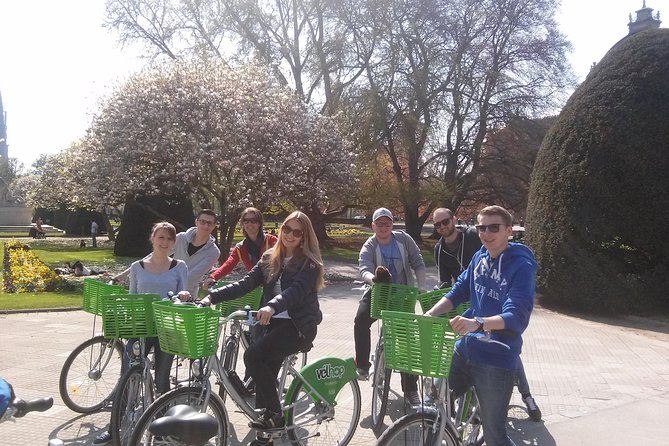
Strasbourg makes a fine case for seeing a city on two wheels. The streets are mostly easy to ride, bike lanes help, and a bicycle lets you cover the cathedral quarter, Petite France, the riverfront, and Neustadt in one outing. I especially like the French and German architectural contrasts and the way local guides connect them to Strasbourg’s complicated past.
I also like the small group limit of 12 and the choice of a morning or afternoon departure. Guides such as Sarah, Jean, Barbara, Maud, and Letitia have been praised for clear stories, good route choices, and useful restaurant tips. The main catch is practical: you need to feel comfortable riding near cars and through crowded streets, and the Place d’Austerlitz meeting point can be hard to identify.
Key points to know before you pedal
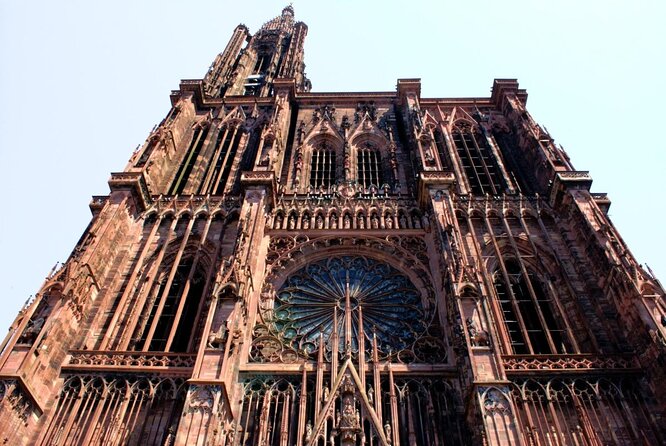
- A compact city survey: See the cathedral, Petite France, Vauban Dam, covered bridges, Neustadt, Place de la République, Place Broglie, and other central squares in one ride.
- A French-German history lesson on wheels: The route shows how Strasbourg’s buildings and public spaces reflect changing French and German rule.
- A gentle pace, not a workout: The ride covers a lot of ground, but riders describe it as manageable even for people who cycle only occasionally.
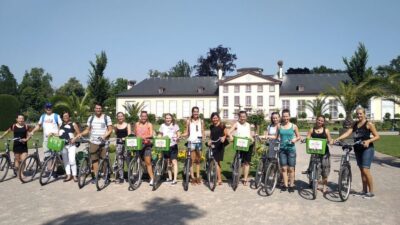
- Small groups help: The tour is capped at 12 people, and some departures may be much smaller.
- Allow extra time to find the start: The meeting point is 10 Place d’Austerlitz, but some booking directions have shown different numbers or vague instructions.
- Bring confidence in traffic: Strasbourg is cycle-friendly, but parts of the route use crowded roads and city streets shared with cars.
Why a bicycle works so well in Strasbourg
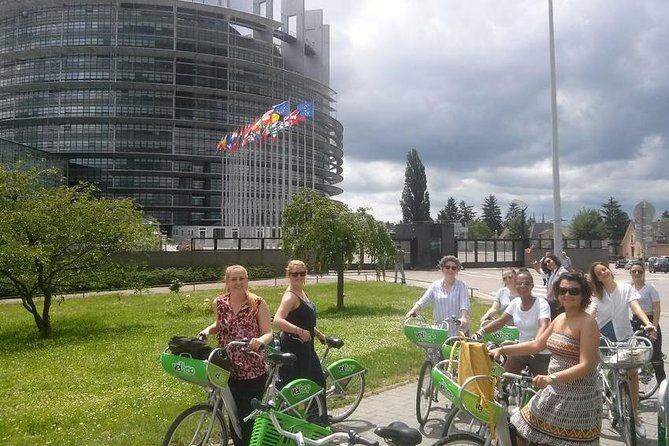
Strasbourg’s central districts are close together, but walking between all of them takes time. A bicycle gives you a wider view of the city without turning the outing into a long, tiring march. In about two and a half hours, you can move from medieval streets to 19th-century avenues and still return near the cafes and restaurants around Place d’Austerlitz.
The ride itself is described as about 1.5 hours, with time before and after for fitting the bikes, introductions, and stops. That distinction matters. You are not pedaling continuously for the full 2.5 hours. The pace leaves room for short explanations and quick looks at major sights.
I would book this early in a Strasbourg stay. It helps you understand the layout before you return on foot, and the guides often point out places you might otherwise pass without noticing. Barbara, for example, has been praised for explaining the Alsace dialect and the timeline of Strasbourg’s past, while Jean is known for adding anecdotes alongside the basic facts.
More bike and e-bike rides in Strasbourg:
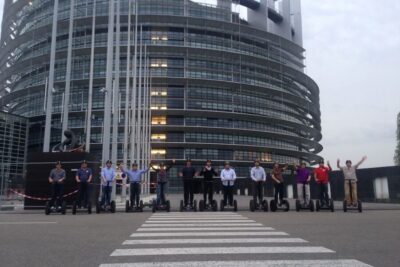
- Strasbourg: Euro Guided Tour by Segway
★ 4.7 · 808 reviews - 2-Hour Strasbourg Euro Tour by Segway
★ 5.0 · 642 reviews - Strasbourg: Guided Bike Tour with a Local Guide
★ 4.8 · 573 reviews
Starting at Place d’Austerlitz
You meet at 10 Place d’Austerlitz, near a useful cluster of central cafes, restaurants, and attractions. The guide fits you with a bicycle, gives a short introduction to Strasbourg, and explains the start of the ride.
This is the one part of the experience that deserves extra care. Several people have had trouble finding the exact meeting spot. Directions have at times pointed toward number 24 or told you to wait outside a cafe, while the guide and bikes were actually near number 10, beside what looks like a residential entrance.
I would arrive early and check the street numbers closely. If you see a small group with bicycles, ask if they are waiting for the city tour. A clearer sign or flag would make this easier, but you should not count on one. The tour begins at 2:00 pm for the listed departure, and confusion at the start has caused late departures.
The bicycles are simple city rentals. Most riders find them comfortable and easy to use, though one assessment described some bikes as older and noted minor mechanical issues. This is not a performance cycling outing, so the supplied bike should be fine for ordinary city riding, but take a moment to check the seat, brakes, and tires before leaving.
Notre Dame and the medieval center
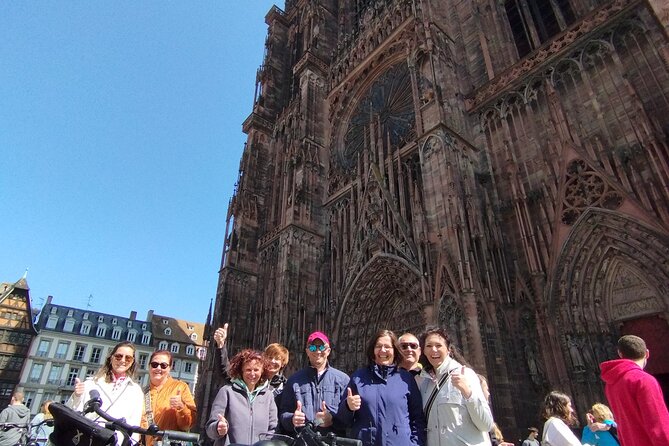
The first major stop is Strasbourg Cathedral, officially the Cathedrale Notre Dame de Strasbourg. You get a short pause to admire the exterior and hear about this remarkable church. The listed stop lasts about five minutes, so this is an introduction rather than a cathedral visit.
That short timing is important if you are hoping to study the facade or enter the church. Admission is not included, and the ride does not provide a long interior visit. I would return later on foot if the cathedral is high on your list.
The ride then moves through the Old Town, including streets around Place Gutenberg and Place Saint Etienne. Place Gutenberg offers a useful reminder of Strasbourg’s long connection with printing and civic life, while Place Saint Etienne is framed by traditional homes that give you a sense of the city before its later German rebuilding.
You will not stop at every square for a full lecture. The value comes from seeing the spaces in sequence. A guide can point out how the streets, buildings, and river relate to one another, giving you a better sense of the center than a single cathedral visit can provide.
Petite France, the Ill River, and the Vauban Dam
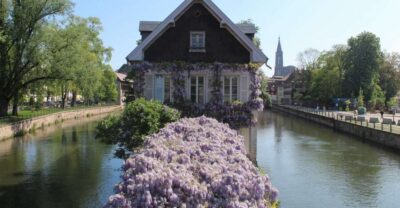
Petite France is one of Strasbourg’s most atmospheric districts, with old Alsatian houses, canals, and bridges along the Ill. The listed stop is only about five minutes, but the bike route lets you experience more than a quick photo at one viewpoint.
You ride near the Pont de Corbeau and follow the riverbank toward the 17th-century Vauban Dam. The route continues beside picturesque covered bridges, where water, stone, and half-timbered buildings create some of the city’s best views.
This part is especially good for first-time visitors because it links the famous postcard scenes to the wider city. On foot, you might spend much of your time threading through crowded lanes. On a bike, you can see the riverfront and then move onward without retracing your steps.
The drawback is that Petite France can be crowded. You should expect to slow down, follow the guide carefully, and give pedestrians room. The tour is not a chance to race through the district. It works best if you are happy with a steady pace and brief stops rather than extended photography.
More bike days in Strasbourg:
- Strasbourg: Bike Tour with a Guide bikes included
★ 4.4 · 153 reviews - Versailles Palace Bike Tour with Market & Marie-Antoinette hamlet
★ 5.0 · 2,680 reviews - Paris: Charming Nooks and Crannies Bike Tour
★ 4.8 · 2,585 reviews - From Paris: Versailles Bike Tour w/ Palace, Gardens, & Picnic
★ 5.0 · 2,150 reviews
Neustadt and Strasbourg’s German chapter
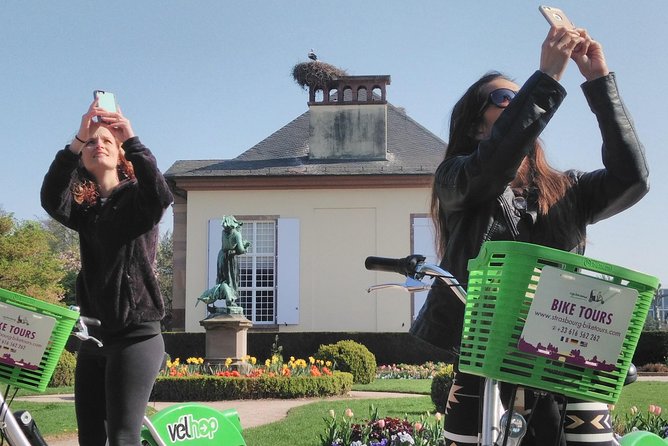
After the medieval center and riverfront, the route enters Neustadt, the imperial German district. This change in setting is one of the strongest reasons to choose the bike tour. The broad streets and grand public buildings feel very different from Petite France, and the transition makes Strasbourg’s political story easier to understand.
The route includes the Palais Universitaire, Place de la République, and the Strasbourg Opera House. The opera house is a 19th-century landmark rebuilt in Neoclassical style after damage from Prussian artillery. That detail gives the building more meaning than a quick architectural label. You are looking at a place shaped by conflict, rebuilding, and changing power.
Several guides have been praised for explaining the French and German influences without burying you in dates. One guide was described as offering facts and anecdotes in a clear, well-paced way, while another was appreciated for showing how the two architectural traditions meet in Strasbourg.
The Neustadt streets are also a useful break from the narrow Old Town. You can see the scale of the later city and understand why Strasbourg is more than its cathedral and half-timbered houses. If your time in town is short, this contrast alone makes the ride worthwhile.
Squares, daily life, and local perspective
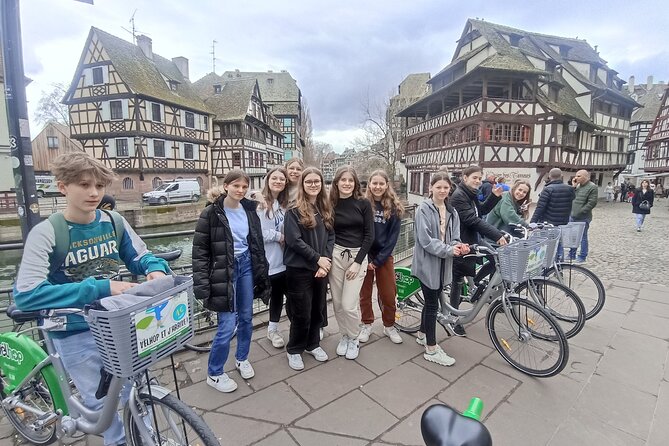
The itinerary includes Place Broglie, Place Gutenberg, and Place Saint Etienne, along with other central streets and squares. These are not just photo stops. They show how Strasbourg’s public life shifts from formal civic spaces to small residential corners.
I like this portion because it gives the guide room to talk about ordinary city life. The best guides do not simply name buildings. They explain what you are seeing, answer questions, and point out details that are easy to miss while walking alone.
You may hear about the Alsace dialect, the city’s changing identity, and the relationship between its French and German chapters. One guide also gave restaurant suggestions, which can be useful if you take the tour early in your stay.
The exact feel can vary with the guide and group size. Some departures have been private in all but name, with only two or three people riding. Others may include a fuller group of up to 12. A smaller group usually makes it easier to ask questions and keep a personal pace.
How difficult is the ride?
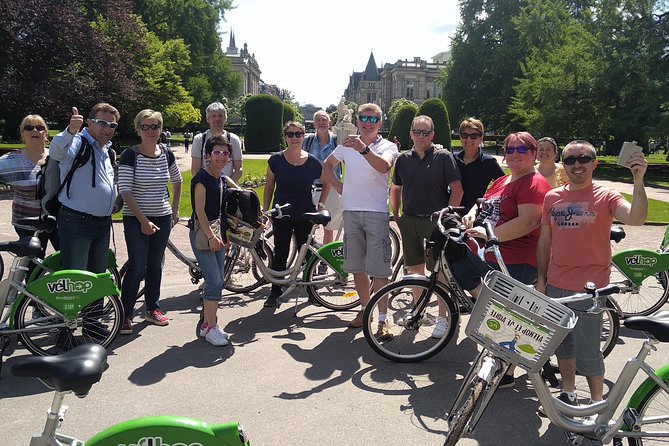
The tour is not described as strenuous. Strasbourg is relatively flat, and city cycling makes it possible to cover a wide area without a hard physical effort. One rider who cycles only about once a year still found the outing manageable.
That said, easy terrain does not mean complete beginner conditions. You need to control a bicycle confidently, watch for pedestrians, and remain comfortable when the route passes through streets shared with cars. Some sections are crowded, especially around the Old Town and Petite France.
If you regularly ride in a city, you should find the route straightforward. If you have not ridden for years, think honestly about your balance, braking, and ability to follow a guide while looking around. The guide may choose quieter routes where possible, and Letitia was praised for selecting streets that felt safer and less crowded, but this remains an urban cycling tour.
The ride can suit families and mixed-age groups. A group including an 11-year-old enjoyed it, and most people can participate according to the supplied details. Service animals are allowed, and the meeting point is near public transportation.
Guide quality and group atmosphere
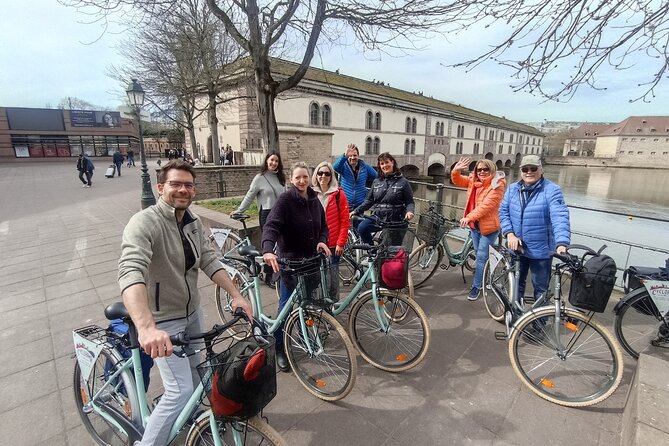
The guide is a major part of the value here. Sarah has been praised for her city history, Barbara for her warmth and care, Jean for stories and local insight, and Maud for giving a clear account of Strasbourg’s past without overloading the group.
That range of feedback suggests a tour built around personal guiding rather than a recorded script. You should expect questions to be welcome and explanations to adjust to the group. Some guides have also handled mixed-language situations with care, though the listed departure for this experience is offered in English.
A small group can make the ride feel relaxed. The guide can keep track of the riders, pause at suitable places, and adjust explanations. One guide was specifically praised for watching the group closely and choosing routes with less traffic.
The tour is not perfect in every practical detail. Some riders did not catch the guide’s name, and the meeting instructions have caused avoidable stress. Those are minor compared with the quality of the sightseeing, but they are worth knowing before you book.
Is $47.07 a fair price?
At $47.07 per person, you are paying for the bike, a local guide, and a broad city orientation rather than entry to an attraction. Food, drinks, hotel pickup, and cathedral admission are not included.
I consider the price fair if you want to see several districts in one session. A private taxi or self-guided rental could also move you around, but it would not provide the same running explanation of Strasbourg’s history and architecture. The guide is what turns a bike rental into a useful introduction.
The value is strongest for a short stay. You see the Old Town, Petite France, the riverfront, Vauban Dam, Neustadt, and major squares in one route. If you have several days and enjoy slow sightseeing, you could cover the same ground independently, but you would need to plan the route and learn the connections yourself.
The tour is usually booked well ahead, with an average lead time of about 34 days. That suggests you should reserve before your trip if the afternoon departure suits your schedule. Free cancellation is available up to 24 hours before the start time. Poor weather or failure to meet the minimum group size can lead to a changed date or full refund.
Who should book this Strasbourg bike tour?
I would choose this experience if you:
- Want a first look at Strasbourg before exploring on foot
- Enjoy history explained through buildings and public spaces
- Feel comfortable riding a bicycle in city traffic
- Have only a day or two in town
- Prefer a small group to a large coach tour
- Want to see both Petite France and Neustadt
- Like local suggestions for restaurants and other places to visit
I would choose another format if you want a long cathedral visit, extensive time for photographs, or a completely traffic-free ride. This tour keeps moving, and the short stops mean you will need to return later for detailed sightseeing.
Final verdict: a smart first outing in Strasbourg
Yes, I would book this tour, especially near the start of a Strasbourg visit. The bicycle makes the city’s districts fit together, while the guide explains why the old French quarter and the German Neustadt look so different.
The strongest features are the route, the small group size, and the guides’ ability to make Strasbourg’s past understandable without turning the ride into a lecture. The weak point is the unclear meeting location, so arrive early at 10 Place d’Austerlitz and confirm the exact entrance before departure.
Book it if you are a reasonably confident cyclist and want a lively city introduction. Skip it only if you dislike riding near traffic or prefer to spend your time inside monuments. For most active visitors, $47.07 buys a useful orientation, a comfortable ride, and a much broader view of Strasbourg than a short walk through the cathedral quarter.
FAQ
Where does the Strasbourg bike tour begin?
It begins at 10 Place d’Austerlitz, 67000 Strasbourg, France. The activity ends back at the same meeting point.
What time does the tour start?
The listed start time is 2:00 pm. The experience also offers a choice of morning or afternoon departure, depending on the available schedule.
How long does the experience last?
The full experience lasts about 2 hours and 30 minutes. The cycling portion is described as approximately 1.5 hours, with additional time for bike fitting, introductions, and sightseeing stops.
Is the bicycle included?
Yes. Use of a bicycle and a local guide are included in the price.
Is the tour offered in English?
Yes. The listed language for this experience is English.
Can I cancel for a full refund?
Yes, if you cancel at least 24 hours before the local start time. Cancellations or changes made less than 24 hours in advance are not refunded. Poor weather or failure to meet the minimum number of participants may result in another date or a full refund.
Just listed in Strasbourg
- From Strasbourg: Half-Day Tour of Alsace Villages★ 4.7 · 50 reviews
- Medieval Villages and Wine Tasting from Strasbourg★ 5.0 · 55 reviews
- Private Tour: From Strasbourg to Colmar, Eguisheim, Riquewhir★ 4.5 · 58 reviews
- Strasbourg Food Tour : Gourmet private Tour with tastings★ 4.7 · 58 reviews
- Capture the Magic of Strasbourg with an Exclusive Photoshoot★ 4.9 · 61 reviews
- FULL DAY ALSACE PRIVATE TOUR : Tailored by your Friendly Driver★ 5.0 · 76 reviews
- Explore Strasbourg in 60 minutes with a Local★ 5.0 · 82 reviews
- Strasbourg : Private Custom Walking Tour With A Local guide★ 4.5 · 83 reviews
Strasbourg Tours, compared.
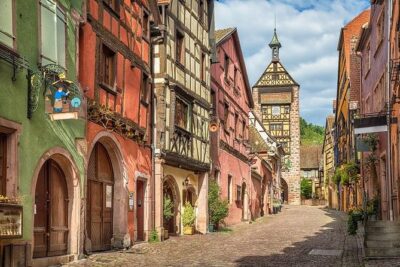
Colmar, Medieval Village & Castle Small Group from Strasbourg
Read our review →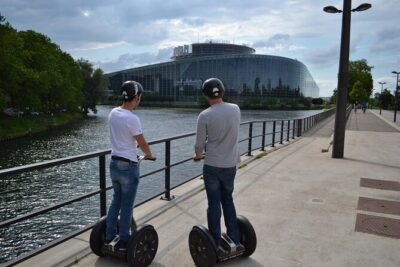
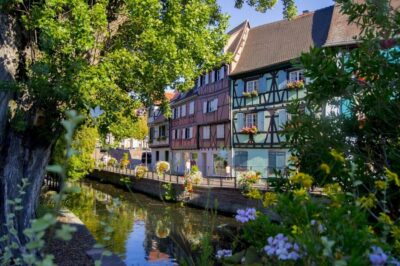

Strasbourg Food Tour – A Taste of Tradition by Do Eat Better
Read our review →
Browse the lists this tour appears in