
Reviewed · STRASBOURG TOURS
Strasbourg: Walking Tour with Local Guide
Strasbourg’s past is complicated, and that is exactly what makes this walk worthwhile. In two hours, Nicolas brings the city’s French and Alsatian story to life, from medieval streets and the cathedral to the revolutionary era and present-day local life. I like the small six-person limit, and I like that the tour ends with useful food and drink advice rather than a quick goodbye. The main drawback is that two hours goes by quickly, and the walk is not suitable for people with mobility impairments.
I also like the personal touch. Nicolas is a proud local, and he adds family stories, practical city tips, and help finding better photo angles. The cathedral entry is not included, so you will see and discuss the monument from outside unless you arrange a separate visit.
Key points at a glance
- A genuinely small group: The tour is limited to six people, making it easy to hear Nicolas and ask questions.
- A strong first look at Strasbourg: The route links Petite France, the covered bridges, the cathedral, central squares, and the Neustadt area.
- Local context, not just dates: Nicolas connects Alsatian culture, family stories, geography, architecture, and the city’s French past.
- Useful food advice: Expect recommendations for Alsatian dishes, restaurants, cafés, bakeries, markets, and local products.
- Good for photographers: The guide offers suggestions for more appealing angles as you walk.
- Simple planning: The tour lasts two hours, runs in French or English, and allows free cancellation up to 24 hours before departure.
Why this is a smart first activity in Strasbourg
I would book this walk near the beginning of a Strasbourg stay. The route gives you a working map of the central city, and the stops help you decide where to return later. You will pass major sights, but you will also hear how the city fits together as a place where French and Alsatian identities have long met.
That local viewpoint matters here. Strasbourg sits close to the German border, and its history has been shaped by shifting political control, regional customs, and its position between larger European powers. Nicolas explains those changes in a way that links buildings and public spaces to the people who used them.
The small group is a real advantage. With no more than six participants, you can usually hear without strain and ask about details that interest you. Several bookings have also run with only one or two people, creating a much more personal walk when numbers are low.
This is not a formal lecture. Nicolas is described as friendly, funny, punctual, and easy to talk with. He has answered questions about local history, geography, food, shopping, nearby towns, and later activities. If you want a guide who can adjust the conversation instead of delivering the same speech at a fixed pace, this format should suit you.
More Walking Tours in Strasbourg
- Strasbourg: Walking Tour with a Local Guide
★ 4.3 · 607 reviews - Strasbourg: Guided Historical Neighborhoods Walking Tour
★ 4.9 · 275 reviews - Strasbourg: Traditional Food Walking Tour with Tastings
★ 4.8 · 219 reviews
Starting near Place d’Austerlitz
The listed starting option is Place d’Austerlitz, though the exact meeting point can vary with the option you book. Check your confirmation carefully, since beginning at the wrong square can waste valuable time.
The walk is conducted in French and English. Nicolas has also handled groups containing both languages, explaining the material in both when needed. That can make the pace a little less direct, but it is useful for mixed-language parties.
Wear comfortable shoes. Strasbourg’s center is best explored on foot, and the route includes bridges, squares, compact streets, and several stops where you will pause to look up, take photographs, or listen. The tour is not suitable for people with mobility impairments, so consider that before booking.
Covered bridges and the first view of Petite France
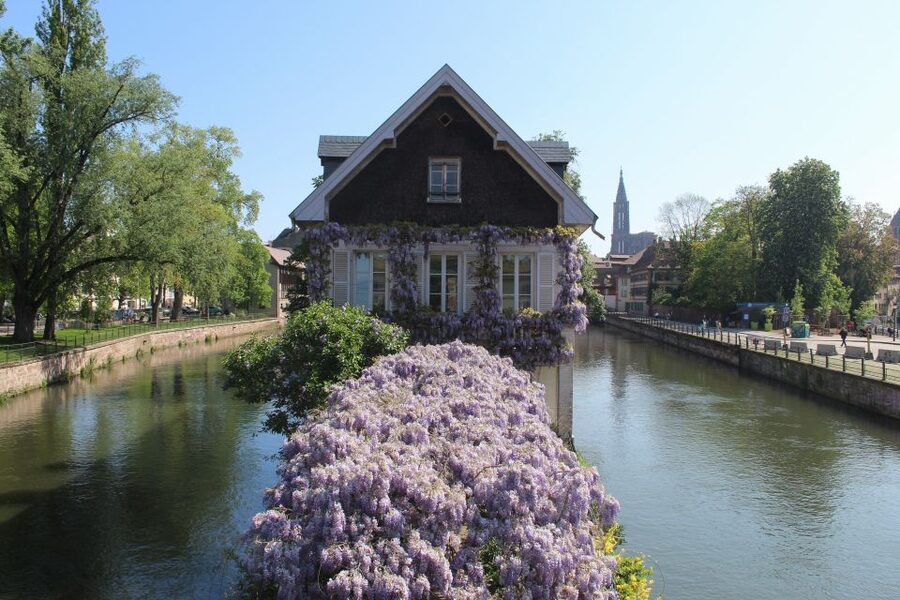
The first substantial stop is the Ponts Couverts, or covered bridges. The guided visit lasts about 10 minutes, enough for an introduction to Strasbourg’s old defensive edge and a chance to take in the waterways and historic structures.
This is a good opening because it immediately shows how the city’s geography shaped its defenses and neighborhoods. You are not simply looking at an attractive bridge. You are beginning to understand why water, crossings, and walls mattered to Strasbourg.
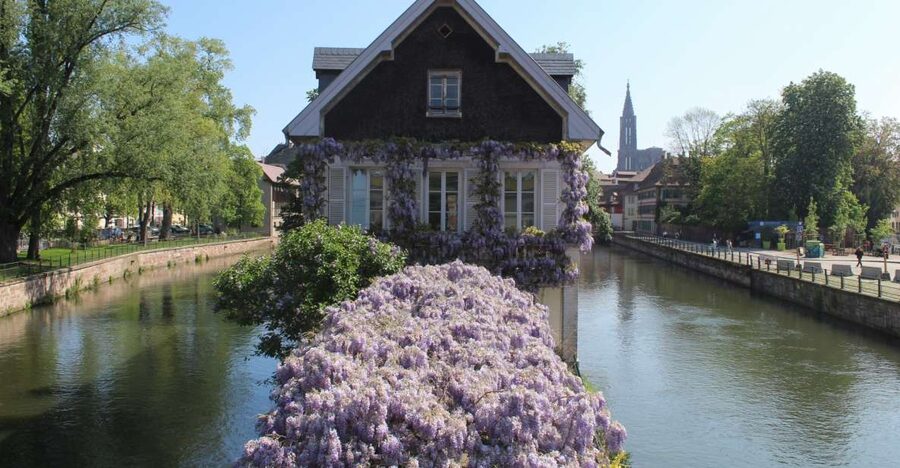
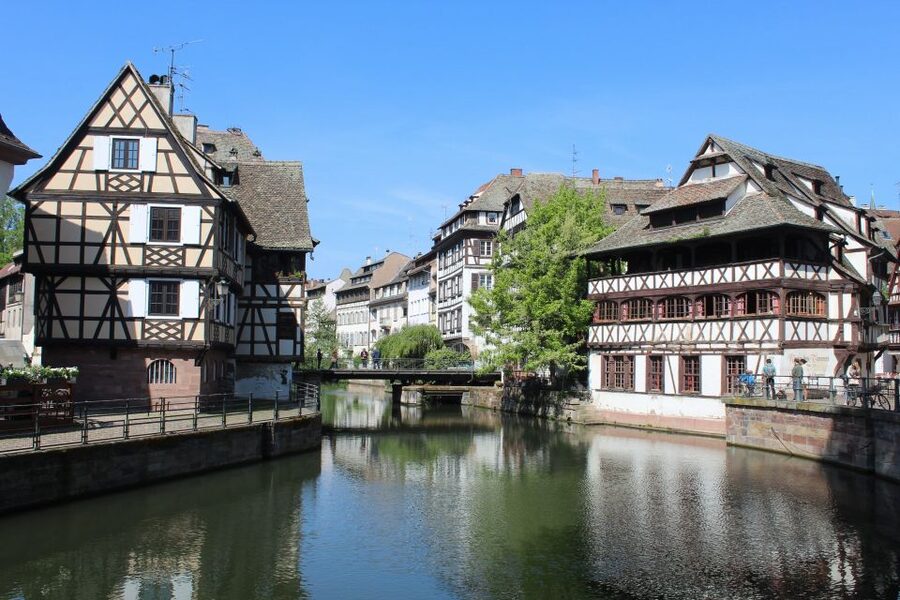
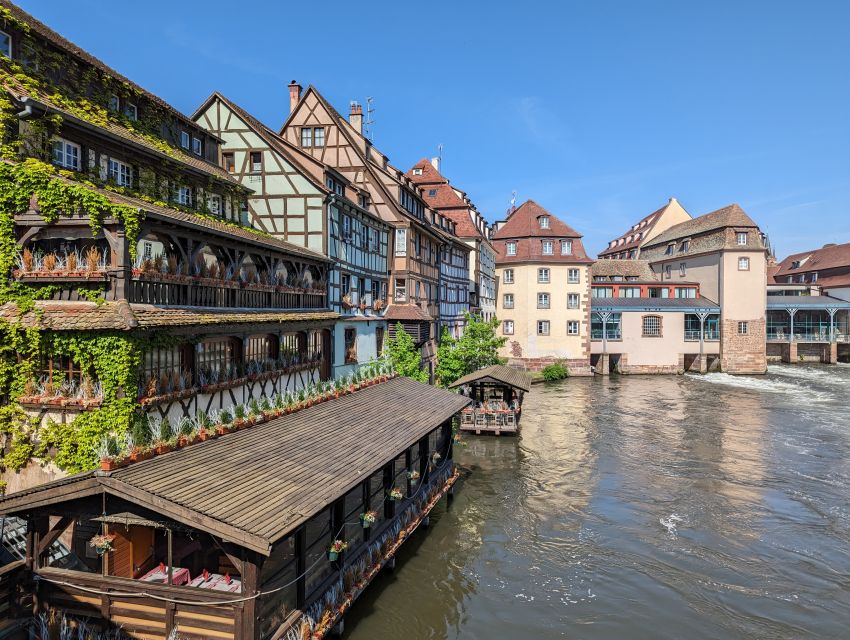
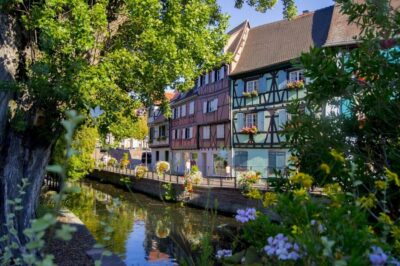
The route then continues into Petite France for around 20 minutes. This is one of the city’s most recognizable quarters, with narrow streets, canals, and old buildings. It is also one of the easiest places to photograph, so this is where Nicolas’s advice about angles can be useful.
I would not expect a full architectural study in 20 minutes. The value is in getting an orientation and hearing stories that help you notice more on a later walk. Make a mental note of streets and views you want to revisit after the tour, especially if you are visiting in a season when weather or light changes quickly.
Saint-Thomas and the story of a changing city
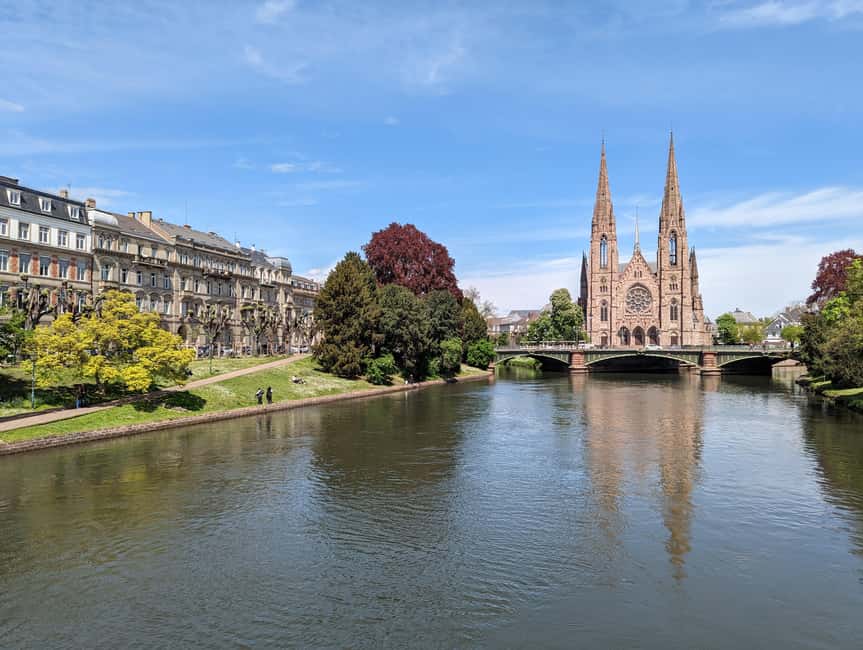
The stop at Église Saint-Thomas lasts about 10 minutes. This gives Nicolas another setting in which to explain Strasbourg’s religious, architectural, and political past.
The tour’s historical focus includes the 18th century and France’s revolutionary wars. That subject can feel distant when presented as a list of battles, but the guide’s local approach helps tie major events to the city. Nicolas also explains how Strasbourg’s location affected its architecture and culture, a useful thread that returns at several points.
His family connection to the region adds another layer. He has shared stories about how several generations of his family lived in Strasbourg and played a part in local life. These personal details do not replace historical facts, but they can make the city feel less like a museum display and more like a home with a long memory.
Same city, a completely different afternoon:
- Strasbourg: Euro Guided Tour by Segway
★ 4.7 · 808 reviews - Colmar, Medieval Village & Castle Small Group from Strasbourg
★ 5.0 · 769 reviews - 2-Hour Strasbourg Euro Tour by Segway
★ 5.0 · 642 reviews - From Strasbourg: Best Of Alsace Historical Day Trip
★ 4.7 · 633 reviews
Strasbourg Cathedral, from Romanesque stone to Gothic height
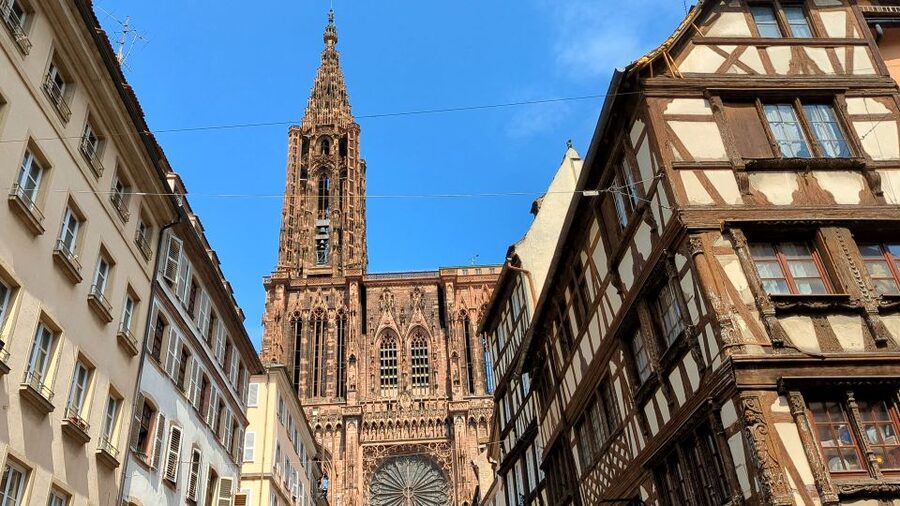
The cathedral receives about 15 minutes of guided attention. You will see Notre Dame Cathedral, one of Strasbourg’s defining sights and part of the Grande Île UNESCO World Heritage Site.
The building’s Romanesque and Rayonnant Gothic elements give Nicolas plenty to discuss. He also tells stories about legends linked to the monument, adding a lighter side to the architectural explanation. The cathedral is an ideal stop for photographs, and the guide can suggest where to position yourself for a better image.
The important practical point is that entry is not included. This experience is an exterior walking tour, not a cathedral interior visit. If you want to see the inside, plan that separately and allow additional time beyond the two-hour route.
Fifteen minutes is enough to understand why the cathedral matters and to photograph it, but it is not enough for a detailed visit. I see that as a sensible choice for an introductory walk. You get context first, then you can decide if you want to return for a longer look.
Place Saint-Étienne and the quieter streets
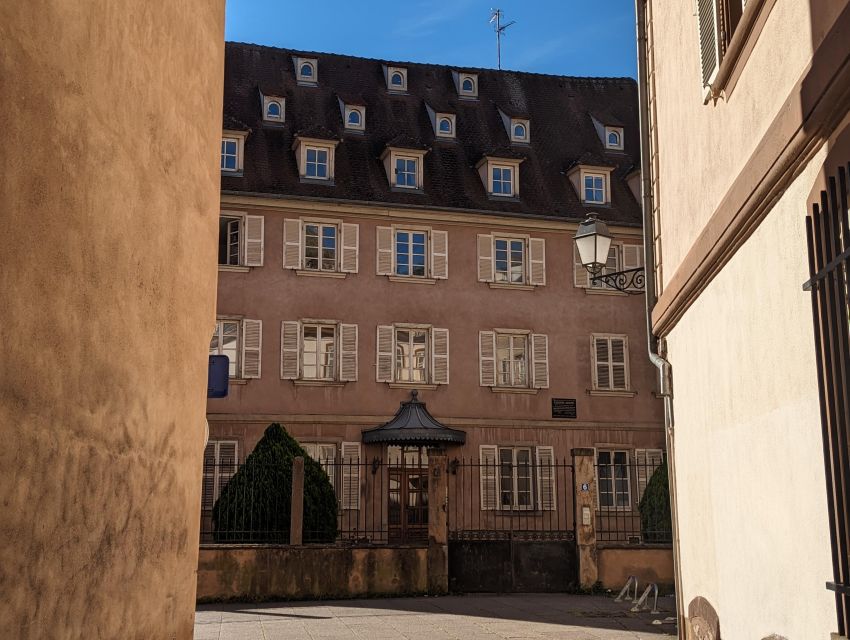
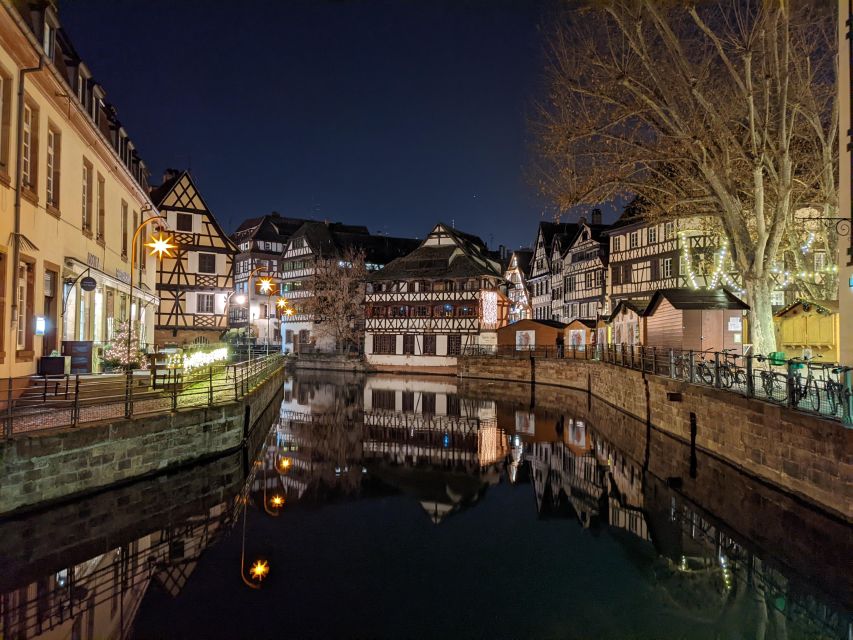
The 10-minute stop at Place Saint-Étienne shifts the mood away from the city’s most photographed monument. Here, the guide continues through smaller streets and public spaces, pointing out details that are easy to miss when you are exploring alone.
This part of the walk is valuable because it breaks up the major-sights routine. Strasbourg is more than Petite France and the cathedral. A local guide can show you how the central districts connect and explain what you are seeing without requiring you to stop at every building.
The itinerary is compact, so you should expect a brisk pace with regular pauses. If you want to linger for long periods at each church or square, a private custom tour with more time may be a better choice. For a first introduction, the balance between walking and stopping works well.
Place de la République and the city beyond the old quarter
The route continues to Place de la République for about 15 minutes and finishes there. This stop helps place the older Grande Île in relation to later parts of Strasbourg.
The square also gives the walk a useful ending point. You are not simply returned to the same place where you began. You finish with a sense of how the historic center relates to other parts of the city, and you can continue exploring from there.
The supplied description also highlights Place Kléber, Strasbourg’s largest square, and the statue of Jean-Baptiste Kléber. The guide discusses Kléber’s military and architectural background and uses the square to explain more of Strasbourg’s history. Since meeting arrangements and route details may vary by booking option, confirm the precise sequence when you reserve.
Tonneliers, local life, and the best use of the final minutes
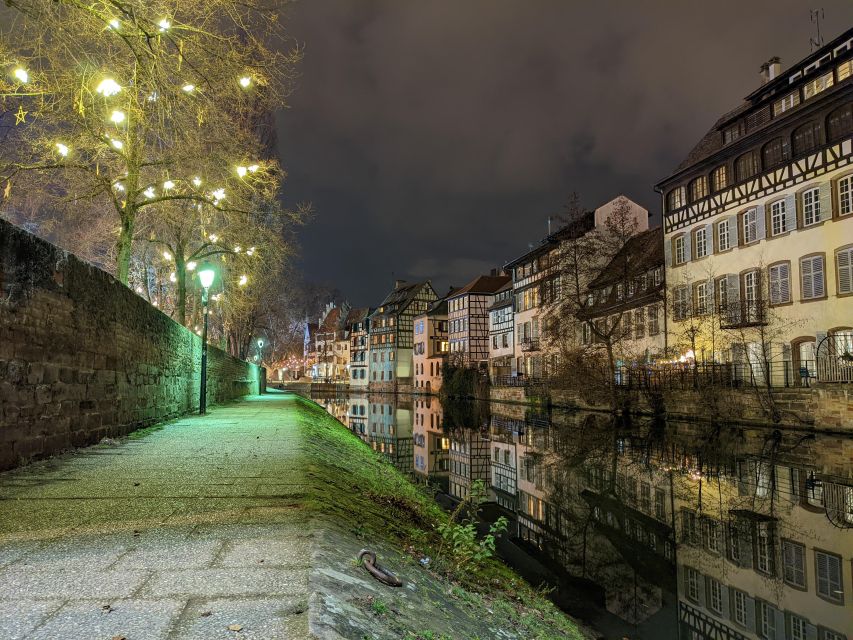
The Tonneliers district is one of the more useful parts of this experience for people who want to eat well. It has bars and restaurants, and the walk focuses on how local people use the area rather than treating it only as a postcard setting.
This is where the tour becomes especially practical. Nicolas provides advice about places to eat and drink, as well as bakeries, markets, shopping for local products, and other things to do in Strasbourg. He has also sent longer recommendation lists after the walk, including suggestions for nearby destinations such as Colmar and places in the wider Alsace region.
I would save his recommendations on your phone. Advice given at the end can otherwise disappear once you start thinking about dinner. You can ask specifically about traditional Alsatian food, cafés, market stalls, or a place suitable for your budget and schedule.
One useful local specialty to ask about is tarte flambée, also known as flammekueche. It is a familiar Alsatian dish and a sensible first food question, though the tour price does not include any meal or drink.
What the guide adds to the experience
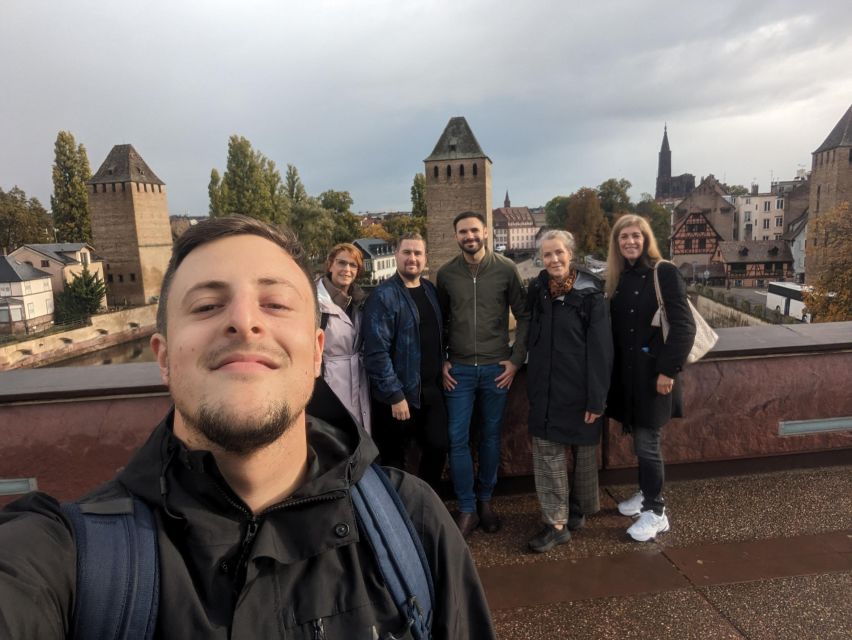
The strongest feature here is Nicolas himself. Again and again, the experience is praised for his command of Strasbourg and Alsace, his pride in the region, and his ability to explain both earlier events and modern local life.
I would pay attention to how he handles questions. The small group gives you room to ask about architecture, customs, geography, restaurants, or the relationship between French and Alsatian identity. If you already know basic European history, you can ask him to fill in the local gaps. If Strasbourg is new to you, he can provide the larger story first.
His preparation also appears practical. Before some walks, he has sent clear meeting instructions, a photo of the location, and a description of what he would be wearing. That is helpful in a city with several prominent squares and busy pedestrian areas.
The tour may still run with a very small turnout, including only one participant. That can be a pleasant surprise, but it also means the experience can feel less like a traditional group outing and more like a private conversation. The result depends partly on your comfort with asking questions and setting the pace of discussion.
Is $41 a fair price?
At $41 per person, this is not the cheapest way to walk through Strasbourg, but the value is reasonable if you use the tour as a city orientation rather than a simple sightseeing loop.
You are paying for two hours with a live local guide, a group capped at six, historical explanation, photo advice, and restaurant recommendations. A large group tour may cost less, but it usually offers less opportunity for questions and less flexibility when a particular street, story, or food topic catches your attention.
The price does not cover cathedral entry, food, drinks, or transportation. That keeps the basic cost clear, but you should budget separately for anything you want to visit inside the cathedral and for the meal you will likely plan after the walk.
I think the strongest value comes from booking early in your stay. The restaurant and bakery tips may save you from choosing a random place in a busy central street, while the route helps you plan the rest of your time. If you only want a quick set of exterior photographs and do not care about local context, $41 may feel high.
Who should book this walk?
I would recommend it to first-time visitors, couples, solo visitors, families who can manage two hours on foot, and anyone interested in Strasbourg’s history beyond its attractive façades. It is also a good fit for people who prefer a small group and want to speak directly with a local guide.
Families may benefit from Nicolas’s informal storytelling. One family found that children stayed interested through the final stop, which suggests the walk can work well when younger participants are curious and comfortable walking.
Photographers should also find it useful. You will have repeated chances to take pictures, and the guide can point out better angles instead of leaving you to photograph the most obvious view.
I would hesitate if you have limited mobility, dislike walking in poor weather, or want a long interior visit at the cathedral. The walk has continued in rain and even snow, but comfortable shoes and suitable clothing remain essential. Weather does not turn this into an indoor activity.
Should you book the Strasbourg walking tour?
Book it if you want a personal introduction to Strasbourg with history, local stories, and food advice in one compact outing. Nicolas’s local roots, careful communication, and willingness to answer questions give the walk more substance than a quick checklist of monuments.
I would book it for the first day or two, then use the rest of your stay to return to Petite France, explore the cathedral interior separately, and try the places Nicolas recommends. Skip it only if you already know central Strasbourg well, need step-free sightseeing, or prefer to explore entirely at your own pace.
The best reason to choose this tour is not simply the cathedral or the covered bridges. It is the chance to understand how Strasbourg’s buildings, border location, Alsatian culture, and present-day food scene fit together before you set off on your own.
FAQ
How long does the Strasbourg walking tour last?
The tour lasts two hours.
What languages does the guide speak?
The tour is available in French and English.
How large is the group?
The group is limited to six participants.
Where does the tour begin?
There are two listed starting options at Place d’Austerlitz, but the meeting point may vary depending on the option booked. Check your booking details before setting out.
Where does the tour finish?
The listed finishing point is Place de la République.
Is entry to Strasbourg Cathedral included?
No. The walking tour includes an exterior visit and guided explanation, but cathedral entry is not included.
What should I bring?
Bring comfortable shoes. The experience is a two-hour walking tour.
Can I cancel the tour?
Yes. You can cancel up to 24 hours in advance for a full refund. You can also reserve now and pay later, keeping your plans flexible.
Just listed in Strasbourg
- From Strasbourg: Half-Day Tour of Alsace Villages★ 4.7 · 50 reviews
- Medieval Villages and Wine Tasting from Strasbourg★ 5.0 · 55 reviews
- Strasbourg City Center Guided Bike Tour w/ Local Guide★ 5.0 · 57 reviews
- Strasbourg Food Tour : Gourmet private Tour with tastings★ 4.7 · 58 reviews
- Private Tour: From Strasbourg to Colmar, Eguisheim, Riquewhir★ 4.5 · 58 reviews
- Capture the Magic of Strasbourg with an Exclusive Photoshoot★ 4.9 · 61 reviews
- FULL DAY ALSACE PRIVATE TOUR : Tailored by your Friendly Driver★ 5.0 · 76 reviews
- Explore Strasbourg in 60 minutes with a Local★ 5.0 · 82 reviews
Strasbourg Tours, compared.
Colmar, Medieval Village & Castle Small Group from Strasbourg
Read our review →

Strasbourg Food Tour – A Taste of Tradition by Do Eat Better
Read our review →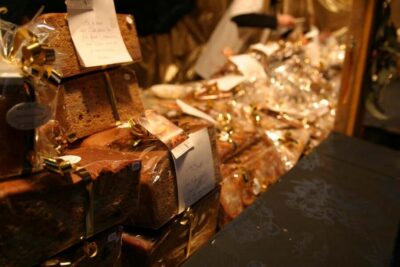
Browse the lists this tour appears in