
Reviewed · STRASBOURG TOURS
Strasbourg: Traditional Food Walking Tour with Tastings
Strasbourg is one of those cities best understood with a fork in hand. This three-and-a-half-hour food walk links old-town sights with generous tastings, from soft bretzels and cured meats to choucroute garnie, local drinks, and Alsatian sweets. You are not simply shown a restaurant district. You are given a useful introduction to the food people associate with Alsace.
I especially like the small group limit of 12, which makes it easier to ask questions and keep up with the guide. I also like the route through central Strasbourg, including Rue des Grandes Arcades and Petite-France, so your meal comes with plenty of city orientation. The main consideration is the price, $116 per person, and the large portions. This is not a light nibble tour, so arrive very hungry.
Key points at a glance
- A full meal disguised as a walking tour: Expect much more than samples, including a substantial savory course and generous portions.
- Classic Alsatian food: Taste bretzels, charcuterie, cheese, choucroute garnie, gingerbread, Kugelhopf, or seasonal specialties.
- Four or more food stops: Visits may include historic shops, a cheese counter, a bakery, a restaurant, and newer cafés.
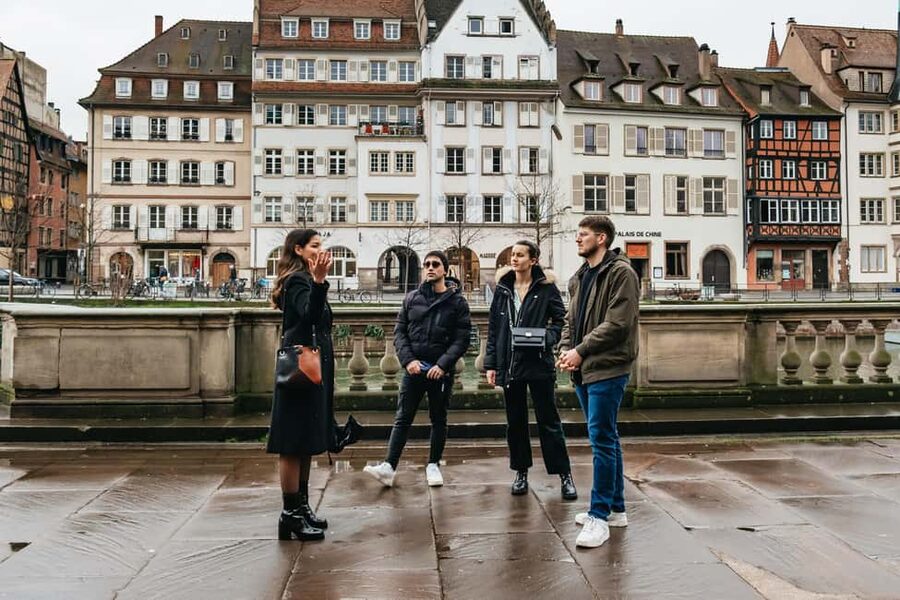
- A practical city introduction: The route runs from Place d’Austerlitz through central Strasbourg and ends in Petite-France.
- Wine and beer included: You receive at least one alcoholic drink, with water also provided.
- Guides who shape the experience: Raphael, JP, Loubna, Christine, Nahama, and other English or French-speaking guides have led this experience.
Why food is the right way into Strasbourg
Alsatian cooking reflects Strasbourg’s position near the French-German border. The plates tend to be hearty, with pork, sausages, sauerkraut, cheese, bread, and rich sauces appearing often. That makes this tour a useful choice if you want to understand local eating habits rather than simply check off a famous pastry.
The food also gives your guide plenty to explain. You can learn why choucroute garnie matters in the region, how Alsace became known for vineyards, and how traditional dishes fit alongside the city’s modern cafés and restaurants. The history is tied to what is on the plate, which keeps the commentary practical.
I would book this early in your Strasbourg stay. You will get restaurant ideas, bakery suggestions, drink tips, and a better sense of the old town. Raphael, JP, Loubna, Christine, and Nahama are among the guides named in the booking information, and the strongest praise centers on guides who mix food explanations with stories about the city.
The tour is offered in English and French. Be aware that a guide may use both languages during the same outing, particularly if the group includes French-speaking participants.
More Walking Tours in Strasbourg
- Strasbourg: Walking Tour with a Local Guide
★ 4.3 · 607 reviews - Strasbourg: Walking Tour with Local Guide
★ 5.0 · 598 reviews - Strasbourg: Guided Historical Neighborhoods Walking Tour
★ 4.9 · 275 reviews
Starting at Place d’Austerlitz
The meeting point is Place d’Austerlitz, in front of the miniature of Strasbourg. This is a useful place to begin because the walk then heads toward the historic center, rather than asking you to meet at a restaurant tucked into a busy pedestrian lane.
Allow extra time to find the exact meeting spot. The directions have caused confusion for some customers, with map pins leading to an unrelated business or failing to make the miniature easy to identify. The practical fix is simple: head for the park and look for the Strasbourg miniature, not just the street address.
From there, your guide sets the rhythm. The group can include as few as two people and no more than 12. A small group makes a real difference at food counters and narrow eateries. It also helps if you want to ask about ingredients, local customs, or places to eat later.
You will walk for about 210 minutes, with stops breaking up the route. The walk is generally easy and flat, but the activity is not suitable for people with mobility impairments. Wear comfortable shoes and leave luggage or large bags at your accommodation. Pets are not allowed.
Fortwenger and the first taste of Alsace
One listed stop is Fortwenger Strasbourg Cathedrale, where sightseeing is combined with food tasting. Fortwenger is associated with Alsatian gingerbread, or pain d’épices, so this is where you may meet one of the region’s most recognizable sweet traditions.
The tasting can change with the season and the availability of the businesses involved. You might receive gingerbread, Kugelhopf, or another local sweet rather than a fixed item every time. That flexibility is worth understanding before you book. You are paying for a food experience built around local stops, not a guaranteed menu printed in stone.
Other bakery-style treats may appear during the route. One account describes a bakery visit where sweet items were collected rather than demonstrated, while the pretzel was especially popular. If you are hoping for a baking lesson, keep expectations modest. The point is tasting and explanation, not a hands-on class.
The first savory offerings may include soft bretzels, charcuterie, and local cheese. These are excellent introductions because they show the everyday side of Alsatian food: cured meat, fresh bread, and dairy products meant to be shared.
Portions can be surprisingly large. At this stage, take your time and do not eat every bite simply because it is in front of you. You still have a full meal ahead.
Rue des Grandes Arcades and the city center
The route continues through Rue des Grandes Arcades, one of Strasbourg’s central pedestrian streets. This section gives the tour a useful sightseeing layer. You are moving through the city’s shopping and meeting lanes while stopping for food, rather than spending three hours inside restaurants.
A good guide uses this part of the walk to connect the dishes with Strasbourg’s past and present. You might hear about the origins of local foods, the city’s cultural mixture, and the way Alsatian wine fits into regional life. Guides such as JP and Raphael have been praised for adding just enough city information without turning the outing into a formal lecture.
This balance is one of the tour’s best features. You get practical orientation and historic context, but the food remains the main event. You can also ask for recommendations for other restaurants, bars, beers, and shops. Raphael has been particularly useful to customers looking for beer advice and places to continue eating after the tour.
Do not expect a strict sightseeing tour with long stops at every monument. The itinerary is designed to pass through key parts of the old town while keeping the group moving toward its next tasting.
More food tours in Strasbourg:
- Strasbourg Food Tour – A Taste of Tradition by Do Eat Better
★ 5.0 · 614 reviews - Strasbourg Food Tour : Gourmet private Tour with tastings
★ 4.7 · 58 reviews - Authentic Parisian Gourmet Food Tour with 10 Local Dishes & Wines
★ 5.0 · 4,754 reviews - Devour Paris Ultimate Food Tour
★ 5.0 · 2,087 reviews
Choucroute garnie: the serious meal
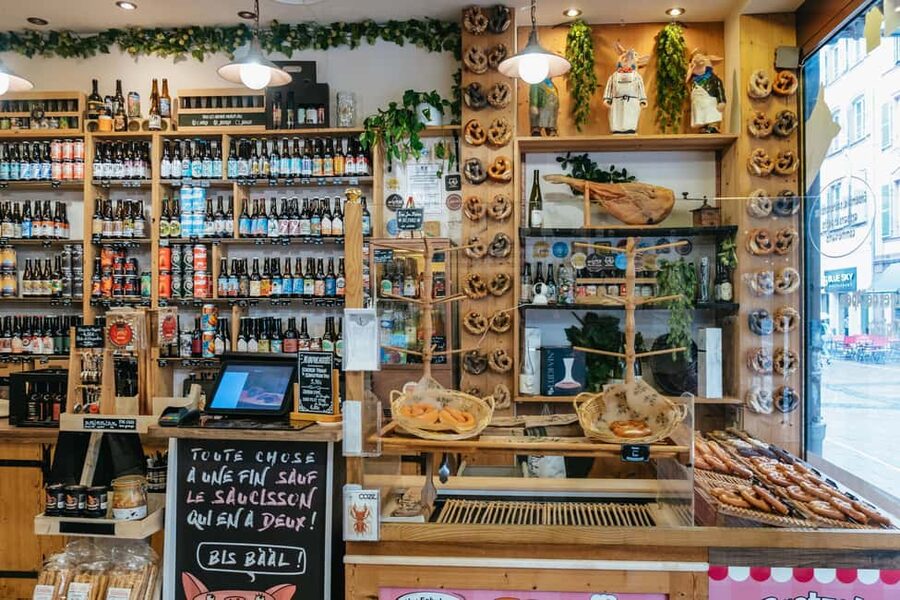
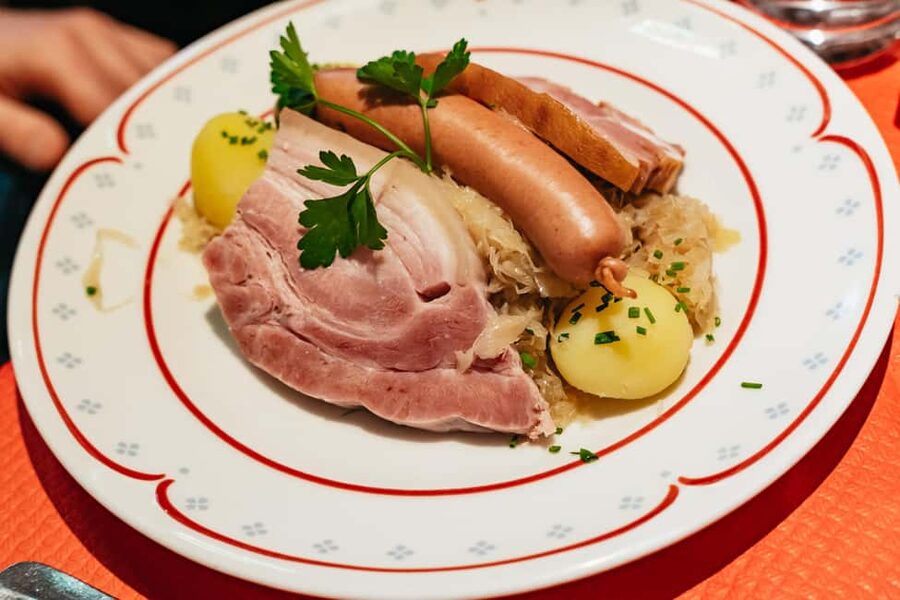
The biggest stop is likely to be choucroute garnie, the dish most closely tied to Alsace in this experience. It combines sauerkraut with smoked sausages and other meats, creating the kind of filling meal that makes breakfast unnecessary if you are taking a morning tour.
This is not a tiny restaurant sample. Several people found the lunch portion so large that they could not finish it. Depending on the stop, you might also receive a large bowl of pasta with a strong cheese sauce instead of the expected dish, since tastings vary. Either way, you should plan for a proper meal.
I see this as both a strength and a limitation. If you want value through quantity, the portion is reassuring. You are unlikely to finish the tour hungry. But if your goal is to sample many small dishes, the full plate can limit how much room you have for later sweets and specialties.
One useful tip is to treat the meal as part of the tasting strategy. Eat enough to enjoy it, but save space. Some guides, including Raphael, have warned participants not to fill up too early on sausages. That advice matters here.
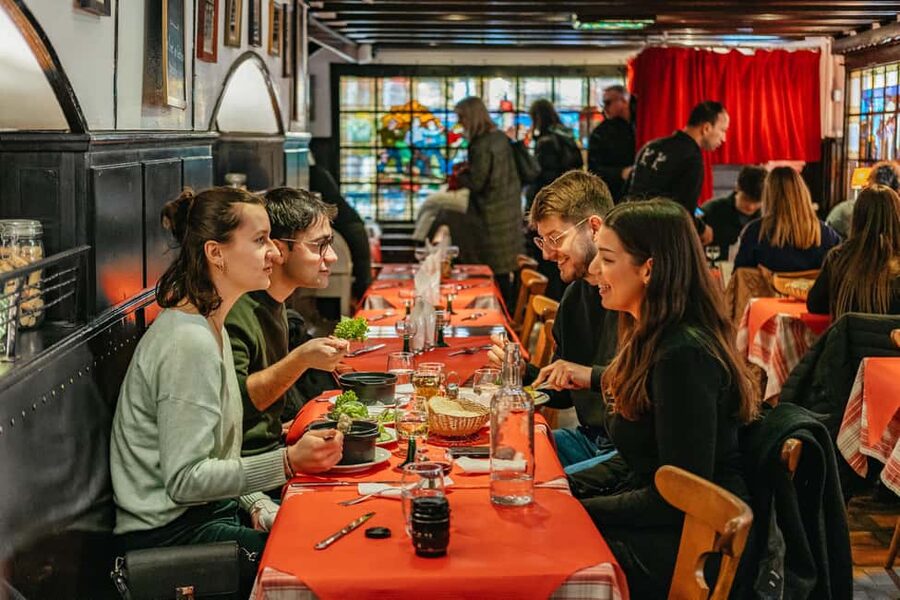
The restaurant stop also gives you a chance to sit indoors, which can be welcome in cold weather. Anita from Australia appreciated having time to sit down for a proper lunch rather than eating everything while standing outside.
Cheese, charcuterie, and the local food scene
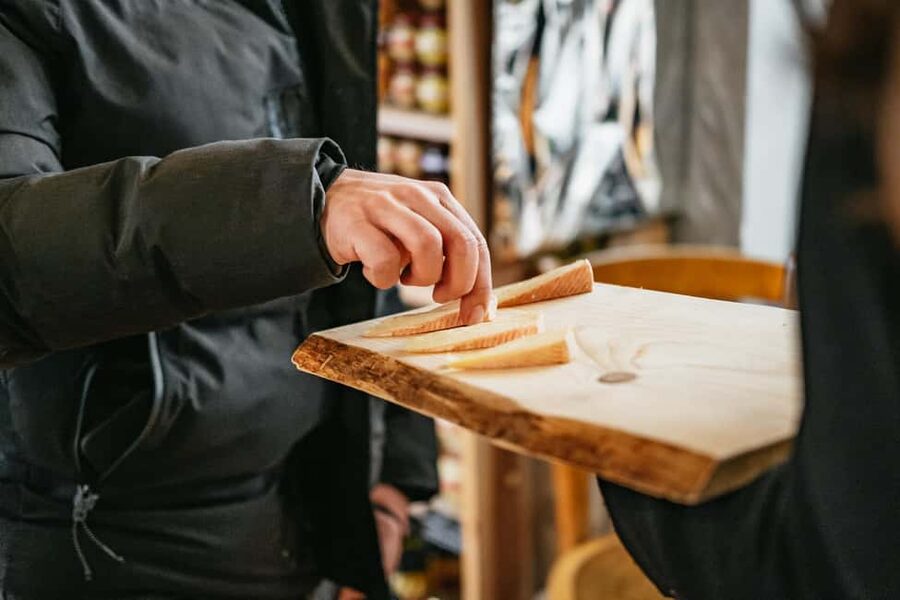
The cured meats and cheese stop helps round out the meal. You may taste several types of charcuterie with soft bretzels, followed by a selection of local cheese at a specialty shop. This is a good place to ask about what to buy for a picnic or bring home.
The tour moves between different kinds of businesses: historic eateries, cheese shops, bakeries, modern cafés, and trendy restaurants. That mix keeps the route from feeling like a string of identical tastings. It also shows you that Strasbourg’s food culture is not frozen in the past.
The exact stops can change. One business may close unexpectedly, or a tasting may be replaced because of seasonal availability. That happened during one outing, so a little flexibility helps. The company promises at least four food stops and one serving at each, but the precise dishes and sequence are not fixed.
This is also where dietary expectations deserve thought. The supplied information centers on meat, cheese, bread, sauerkraut, pasta, desserts, wine, and beer. No vegetarian, vegan, allergy, or gluten-free menu is specified. If you have dietary restrictions, ask before booking rather than assuming substitutions will be available.
Wine, beer, and Alsatian drinking culture
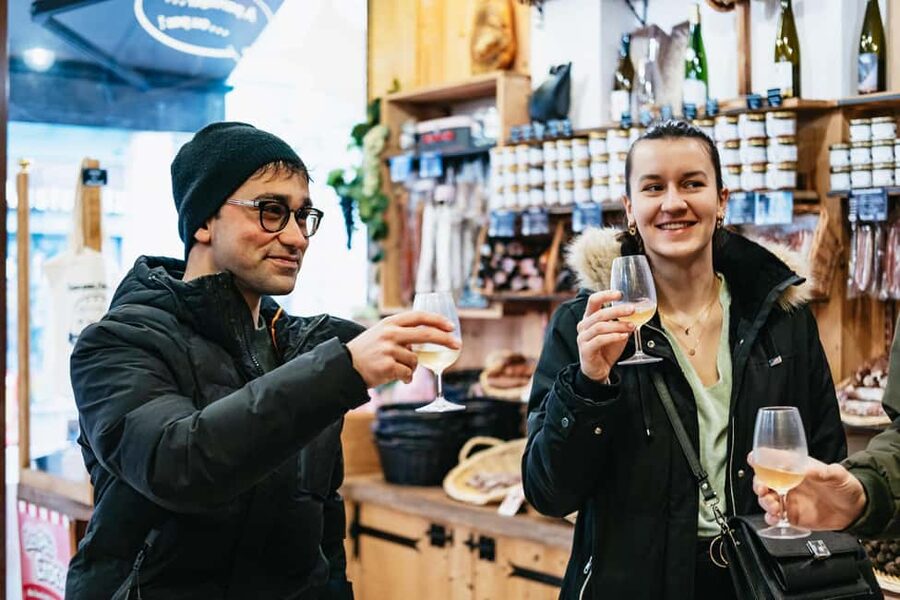
At least one alcoholic drink is included, and the food stops may offer both wine and beer. You can expect a local Alsatian wine tasting, with the guide explaining why the region is known for vineyards. Beer may also be served at a restaurant stop.
The drink selection changes, and not every wine will suit every palate. One participant found the beer enjoyable but did not care for the wine, while noting that the wine changes regularly. That is a useful reminder: the value is in trying a local style and learning about it, not in receiving a guaranteed favorite bottle.
Water is included, which matters on a food walk this substantial. Drink water between tastings, especially if you take the tour in warmer weather or if the wine and beer servings come close together.
Some customers finished the outing feeling full and slightly tipsy. Since the tour lasts three and a half hours and includes a meal, this is not the right activity if you want a purely alcohol-free experience. The included alcoholic drink is part of the regional food setting, not an optional extra.
Sweet endings in Petite-France
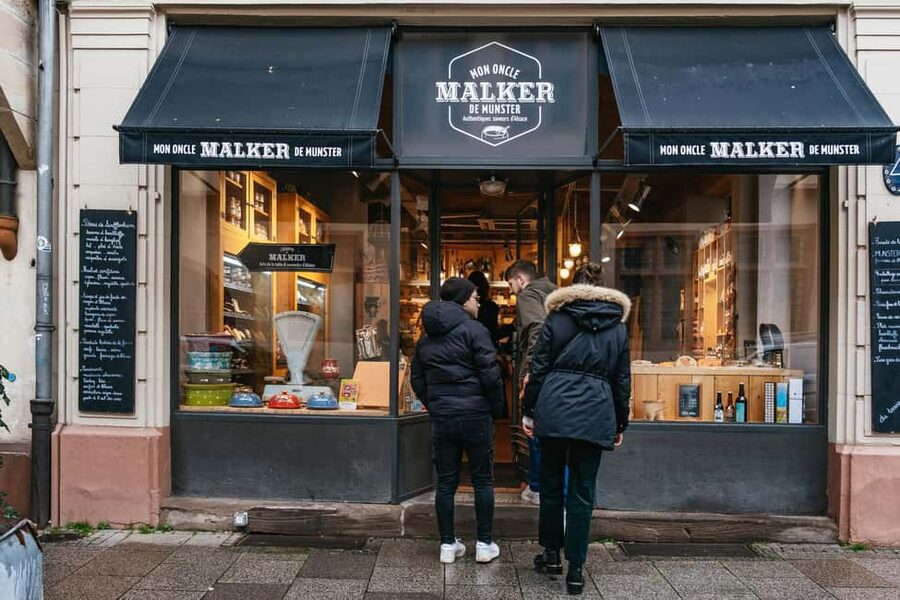
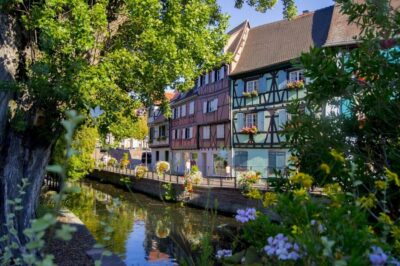
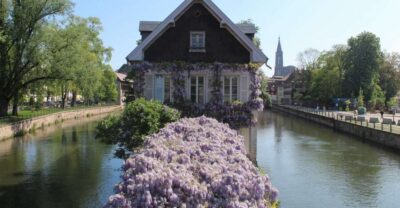
The walk ends in Petite-France, one of Strasbourg’s most attractive historic quarters. Ending here is convenient because you can continue sightseeing, look for dinner, or simply enjoy the canals and old streets after the final tasting.
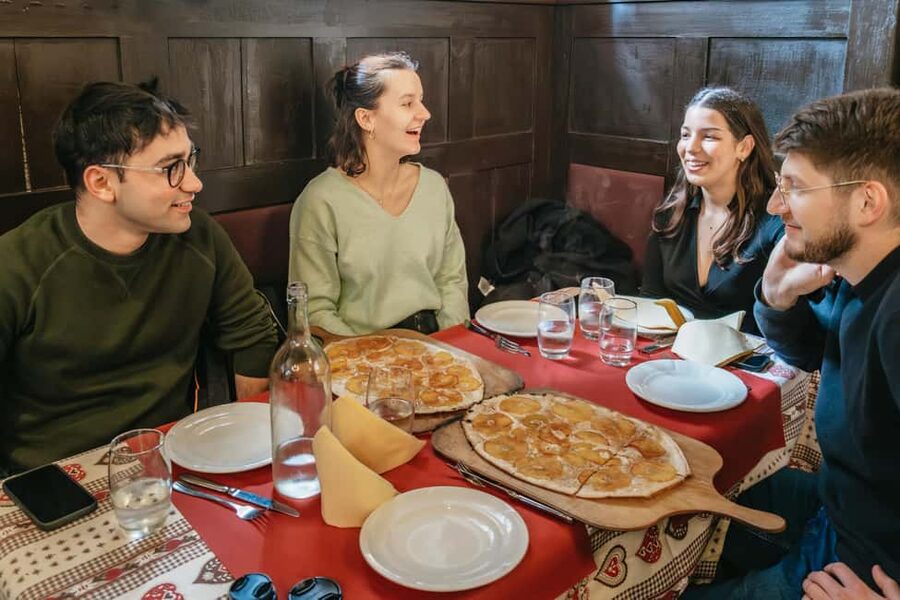
The sweet course may include Alsatian gingerbread, Kugelhopf, or another traditional dessert. Tarte flambée may also appear, though it is generally a savory flatbread rather than a dessert. The supplied menu treats it as one of the possible traditional specialties, so expect the final selection to depend on the day.
By this point, you may already have eaten more than expected. The sweet stops are generous enough that several people advised skipping breakfast before a morning departure. I would not go without any food if you have medical reasons to eat regularly, but a small breakfast is sensible.
The route does not involve a great deal of walking. It is mostly flat, with food and drink stops spread through the center. That makes the pace manageable for many people, though the activity still requires you to remain on your feet and move between businesses.
Is $116 a fair price?
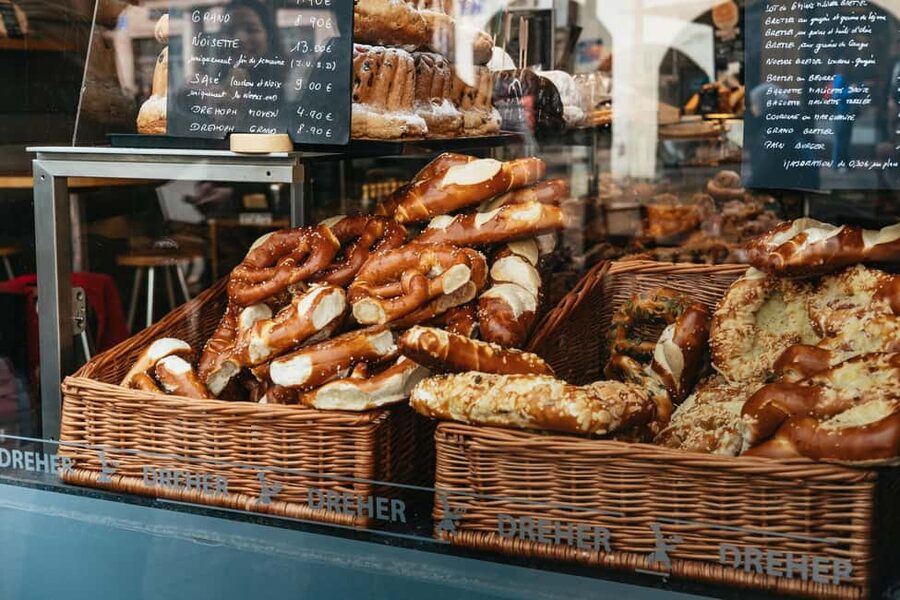
At $116 per person, this is not a budget snack walk. The price makes more sense if you count the tour as a guided meal, city orientation, and tasting session combined. You receive at least four food stops, one serving at each, water, at least one alcoholic drink, and a guide for 210 minutes.
The value improves if you would otherwise pay for a full lunch, several pastries, cheese, charcuterie, and drinks separately. The large portions are a clear advantage for hungry eaters. A group of four may also appreciate having someone else handle the route and explain what to order.
The value is weaker if you prefer tiny samples, want to choose every dish yourself, or are unlikely to drink alcohol. It may also feel expensive if you already know Strasbourg well and only want a quick pastry stop.
My main criticism is not the amount of food, but the lack of portion control. A tapas-style lunch would let you try more variety and waste less. Still, the generous serving sizes mean you are paying for substantial food rather than a few decorative bites.
Free cancellation up to 24 hours before the tour and the option to reserve now and pay later make the booking less rigid. The tour needs at least two participants to operate, and it can be rescheduled if that minimum is not reached.
Who should book this food walk?
I would recommend it to first-time visitors who want a quick introduction to Strasbourg’s old town and Alsatian cooking. It also suits solo visitors. The small-group format makes it easier to meet people, and the experience is structured enough that you do not feel left out.
Families can enjoy it too. A guide named Christine was specifically praised for handling children well, and another outing was described as suitable for a family. Still, the heavy food and long sitting periods may not suit very young children.
Food-focused couples and curious eaters will get the most from it. You can taste regional staples, ask questions, and gather ideas for later meals. I would also choose it for a first afternoon, since the route gives you a useful map of the center.
I would hesitate if you have limited mobility, strict dietary requirements, or little interest in meat, cheese, bread, and alcohol. I would also skip it if you prefer a short, inexpensive tasting rather than a large meal.
Final verdict: book it hungry
This Strasbourg food walk offers a generous, filling way to meet Alsace. The strongest points are the excellent guide-led explanations, the central walking route, the broad range of savory and sweet food, and the chance to sit down for a real meal instead of collecting tiny samples.
Book it if you want a full regional introduction and can accept changing dishes and large portions. Arrive at Place d’Austerlitz early, wear comfortable shoes, bring no large bag, and leave room for the final sweets. At $116, it is a splurge, but for a first visit to Strasbourg, the food, drinks, local advice, and city orientation can make it money well spent.
FAQ
Where does the Strasbourg food tour begin?
It begins at Place d’Austerlitz, in front of the miniature of Strasbourg.
Where does the tour finish?
The tour finishes in Petite-France, Strasbourg.
How long does the experience last?
The experience lasts 210 minutes, or three and a half hours.
How many food stops are included?
At least four food stops are included, with at least one serving at each stop.
What foods might I taste?
Possible tastings include bretzels, charcuterie, local cheese, choucroute garnie, Alsatian gingerbread, Kugelhopf, and tarte flambée. The exact food depends on the season and partner availability.
Are drinks included?
Yes. Water and at least one alcoholic drink are included. Local Alsatian wine and beer may be served during the stops.
What languages are available?
The tour is offered in English and French. The guide may speak both languages during the experience.
What is the maximum group size?
The maximum group size is 12 people. At least two people are required for the tour to operate.
Should I eat before the tour?
You should arrive hungry because the portions can be large and the experience includes a full meal. People taking a morning tour may prefer to skip or limit breakfast.
Is the tour suitable for people with mobility impairments?
No. The activity is listed as unsuitable for people with mobility impairments. Comfortable shoes are recommended, and luggage or large bags are not allowed.
Just listed in Strasbourg
- From Strasbourg: Half-Day Tour of Alsace Villages★ 4.7 · 50 reviews
- Medieval Villages and Wine Tasting from Strasbourg★ 5.0 · 55 reviews
- Strasbourg City Center Guided Bike Tour w/ Local Guide★ 5.0 · 57 reviews
- Strasbourg Food Tour : Gourmet private Tour with tastings★ 4.7 · 58 reviews
- Private Tour: From Strasbourg to Colmar, Eguisheim, Riquewhir★ 4.5 · 58 reviews
- Capture the Magic of Strasbourg with an Exclusive Photoshoot★ 4.9 · 61 reviews
- FULL DAY ALSACE PRIVATE TOUR : Tailored by your Friendly Driver★ 5.0 · 76 reviews
- Explore Strasbourg in 60 minutes with a Local★ 5.0 · 82 reviews
Strasbourg Tours, compared.
Colmar, Medieval Village & Castle Small Group from Strasbourg
Read our review →

Strasbourg Food Tour – A Taste of Tradition by Do Eat Better
Read our review →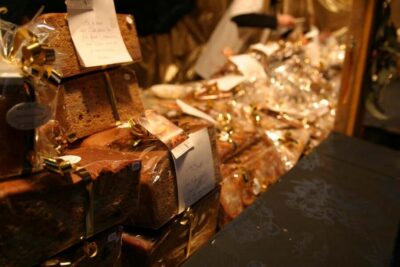
Browse the lists this tour appears in