
Reviewed · STRASBOURG TOURS
Visit of Cave Immersive – tasting – Kougelhopf to Strasbourg
Maison Zeyssolff keeps making wine in enormous oak foudres, including a remarkable cask built in 1897 for the 1900 Paris Universal Exhibition. The tour adds a 180-degree film projected onto old barrels, turning the cellar into a simple but memorable history lesson. You finish with Alsatian wines and a slice of kougelhopf.
I like the way this visit connects the whole chain, from vineyard work to bottling, and I like the friendly guides, including Camille, Marie, Arthur, Victor, and Catherine. The price is modest for 90 minutes, but remember that the winery is in Gertwiller, not central Strasbourg, so you must allow time and transport costs.
Key points at a glance
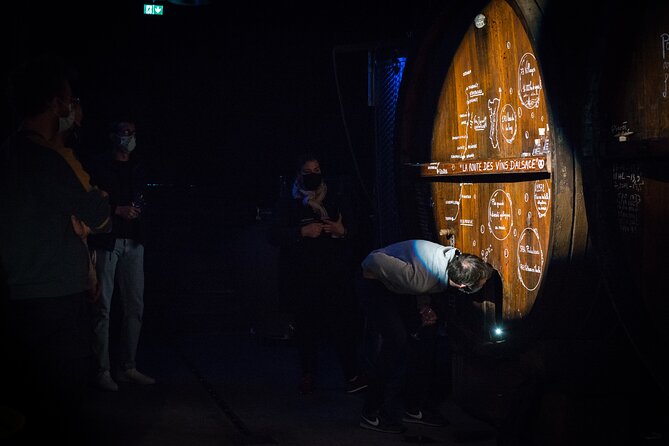
- A 1897 wine cask: See the ZEYSSOLFF cask made for the 1900 Paris Universal Exhibition.
- A barrel-screen film: Watch a 180-degree presentation about the estate’s past and winemaking approach.
- Wine with kougelhopf: Taste several Alsatian wines with a slice of the region’s traditional brioche.
- A real working cellar: Follow the process from vineyard and fermentation through bottling.
- Easy train access: Gertwiller station is about an eight-minute walk from the winery.
- Small-group format: The maximum group size is 20, with several morning and afternoon departures.
Why this Gertwiller winery visit is different
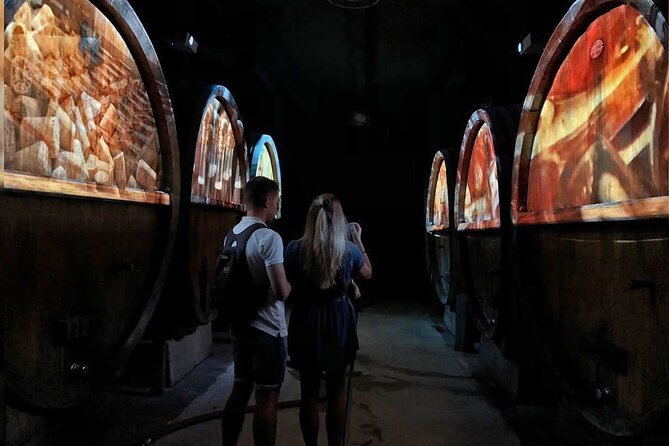
Many wine tours follow a familiar pattern: walk through a cellar, hear a short explanation, then sit down for a tasting. Maison Zeyssolff adds a theatrical touch without abandoning the working winery. In the barrel store, a film is projected across century-old oak casks at a 180-degree angle, with sound and visual mapping used during parts of the presentation.
The film is not simply a technical lesson about grapes. It tells the story of the house and explains its approach to vineyard and cellar work. That gives the visit a stronger sense of place than a standard tasting room talk. You are not only sampling a finished bottle. You are seeing the tools, traditions, and choices behind it.
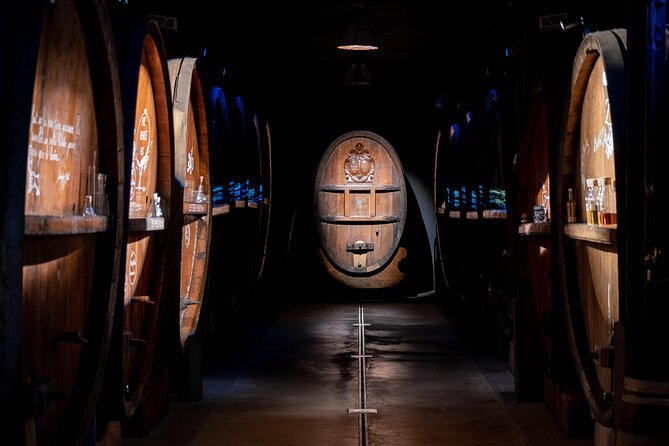
The other unusual detail is the winery’s continued use of giant oak foudres. These vessels hold more than 10,000 litres, a scale that helps explain how Alsatian wine was made before modern stainless-steel tanks became common. The ZEYSSOLFF cask, built in 1897 for the Paris exhibition of 1900, is the star object. It gives the tour a physical link to the region’s past.
The estate converted to organic production in 2020, and the cellar was renovated to create the film area. That makes the visit useful for two kinds of people: anyone new to wine who wants a clear introduction, and experienced wine drinkers who enjoy old equipment, regional customs, and the story of a family producer.
A few other Strasbourg half-days to compare
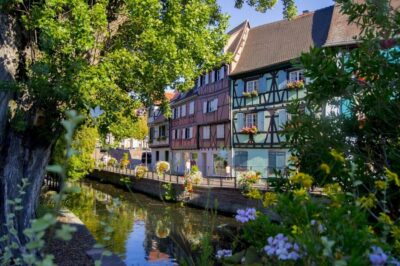
- Strasbourg Food Tour – A Taste of Tradition by Do Eat Better
★ 5.0 · 614 reviews - From Strasbourg: Medieval Villages & Wine Tasting Day Trip
★ 4.8 · 329 reviews - Alsace Wine Route Small Group Half-Day Tour with Tasting from Strasbourg
★ 4.5 · 291 reviews
From the vineyard to the cellar
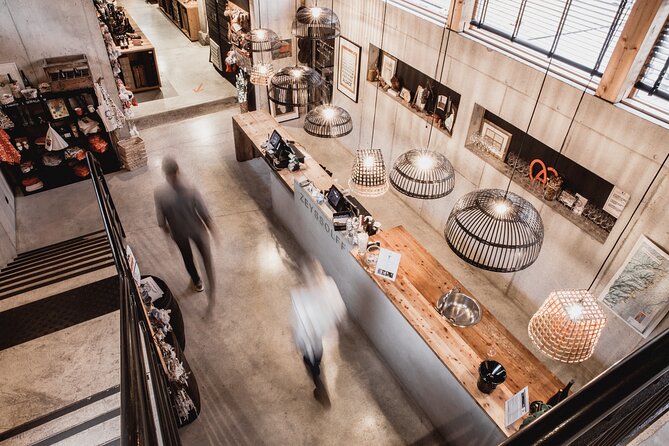
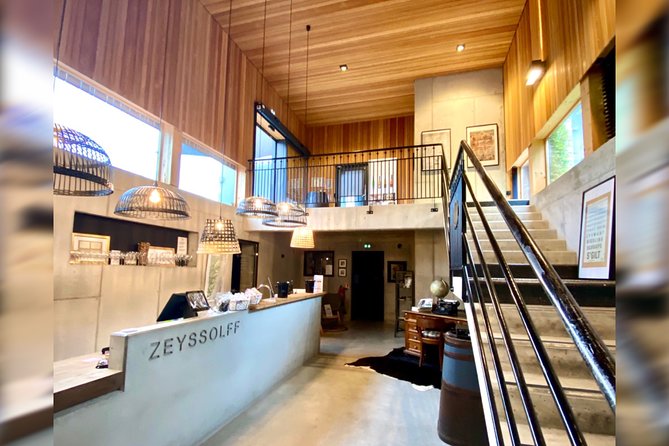
The tour begins at Au Péché Vigneron, the Maison Zeyssolff wine shop and winery at 156 Route de Strasbourg in Gertwiller. The experience is designed as a complete route through the estate, starting with the vineyard and continuing indoors.
The outdoor portion puts the wines in their setting. You get a basic explanation of Alsace’s grape-growing work before moving into the cellar. The exact amount of time spent outside can vary, but the point is important: the wine does not appear as an isolated tasting sample. It comes from a specific regional tradition and a working estate.
Inside, the guide explains the stages between grape and bottle. You can expect information about vinification, cellar work, and bottling rather than only a sales pitch. This is one reason the visit works well for beginners. The process is laid out in a sensible order, and the guide can connect what you see to what you later taste.
The pace is fairly brisk. At about 90 minutes, this is not an all-day vineyard outing. That is good news if you have other plans in Alsace, but it also means the technical material cannot go into great depth. If you already know a lot about wine production, parts of the explanation may feel basic. One past participant wanted more time on the actual winery work and less on the house story.
I would treat that limitation honestly. This is a friendly introduction with unusual visual elements, not a specialist seminar for winemakers. For most people, the balance of history, production, and tasting is sensible.
The old foudres and the 1897 ZEYSSOLFF cask
The large oak foudres are among the best reasons to visit in person. A photograph cannot give you the same sense of scale as standing beside a vessel holding over 10,000 litres.
Maison Zeyssolff is one of the few Alsace wineries still using century-old oak foudres for vinification. Their continued use is not just decoration. It shows that the cellar remains tied to older methods, even as the estate has updated parts of its visitor operation and moved to organic production.
The 1897 ZEYSSOLFF cask is even more special. It was made for the 1900 Universal Exhibition in Paris, a major showcase of industry, agriculture, and culture. You see a piece of winemaking equipment that was built for a public event more than a century ago and is still part of the winery’s identity.
The historical section can take up a substantial part of the visit. If you prefer a strictly technical tour, you may wish for more detail about fermentation temperatures, grape varieties, or bottling choices. If you like objects with a story, the old cask gives the tour a memorable center.
A film projected across century-old barrels
The 180-degree film is the most distinctive feature of the experience. Instead of watching a presentation on a flat screen, you sit in the cellar while images play across the curved surfaces of old oak barrels.
The effect is designed to place you inside the estate’s story. Sound adds to the presentation, and certain sequences use mapping techniques on the barrels. The first film section explains basic winemaking. It may feel too simple if you already understand the subject, but it gives beginners a clear foundation.
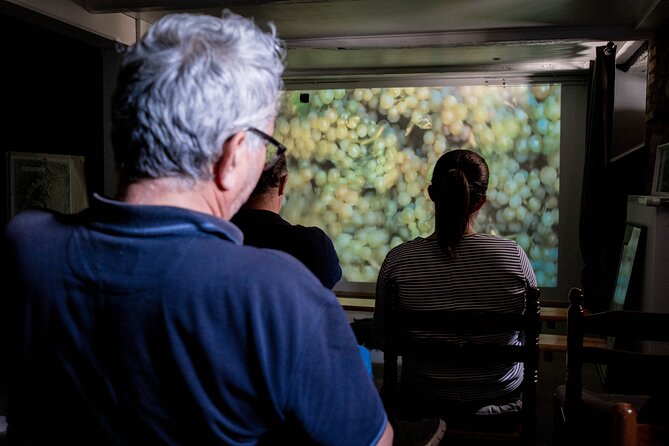
The second section focuses more on the estate’s past and working philosophy. That part tends to have more character because the barrels themselves become part of the story. You are surrounded by the very objects that represent the house’s older cellar practice.
I would not book this tour expecting a high-tech show on the scale of a major museum attraction. The technology is modest, but the setting makes it effective. Its value comes from the combination of film, cellar, oak, and family history.
Same city, a completely different afternoon:
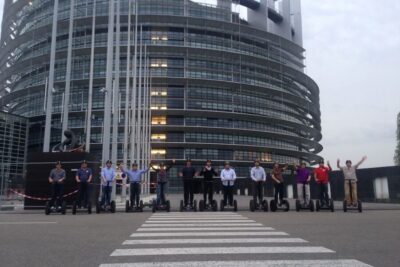
- Strasbourg: Euro Guided Tour by Segway
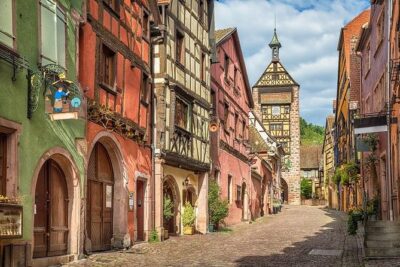
★ 4.7 · 808 reviews - Colmar, Medieval Village & Castle Small Group from Strasbourg
★ 5.0 · 769 reviews - 2-Hour Strasbourg Euro Tour by Segway
★ 5.0 · 642 reviews - From Strasbourg: Best Of Alsace Historical Day Trip
★ 4.7 · 633 reviews
Tasting Alsace with kougelhopf
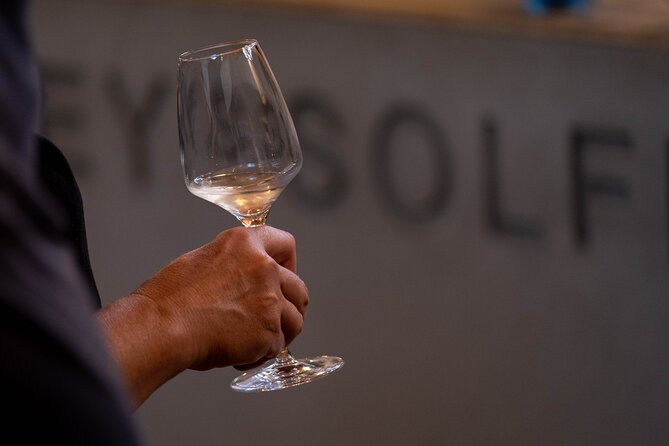
After the cellar portion, you sit down for a guided tasting of the estate’s wines. The tasting includes several Alsatian wines, with portions described as generous enough to make the session feel like more than a token sample.
Your guide explains the wines as you taste them. The emphasis is on understanding the local styles and connecting the bottles to the work you have just seen. This is especially helpful if Alsace wine is new to you, since the region’s names and styles can seem unfamiliar at first.
The food pairing is simple: a piece of kougelhopf, the ring-shaped Alsatian brioche traditionally associated with the region. It is not a full meal, so plan to eat beforehand if you arrive hungry. The sweet, bread-like accompaniment gives the tasting a local touch and keeps the experience rooted in Alsace rather than turning it into a generic wine flight.
The tasting is also a practical opportunity to decide what you actually like. Some people leave with bottles for the rest of their holiday or as gifts. You can buy wine at the shop, but there is no pressure in the information provided to purchase anything.
One detail worth watching is the booking option. A food pairing or expanded platter may not always be included in every version of the experience. One session included an excellent platter shared between two people and a glass after the tasting, while another person had booked a version where the food pairing was sold out. Check exactly what your reservation includes before you arrive.
How to reach Gertwiller from Strasbourg
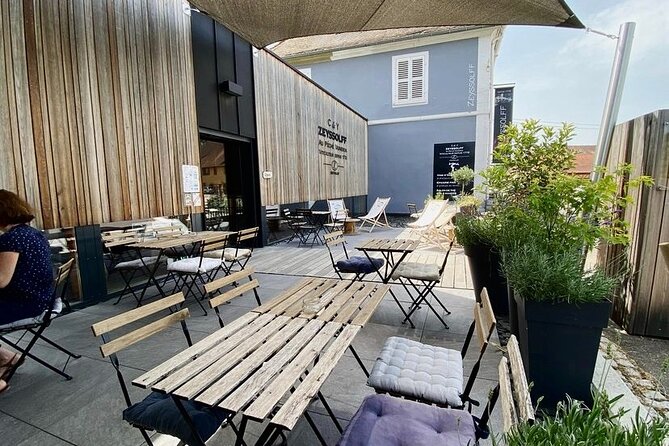
The location is the main issue to sort out before booking. The winery is in Gertwiller, roughly 17 kilometres from Strasbourg and commonly described as about 20 minutes away by car, though actual journey time depends on traffic.
The easiest budget option is the train. Gertwiller has a station, and the winery is about an eight-minute walk away. Strasbourg to nearby Barr takes around 40 minutes by train, and Gertwiller is also within walking distance of Barr, roughly 20 minutes on foot. If you use this plan, check the train times carefully and leave a generous margin before the return journey.
Do not assume the surrounding towns will provide a full day of open cafés and shops, especially on a Sunday. Small Alsatian villages can be very quiet that day. Arrive with a plan for lunch, or schedule the winery as the main reason for coming.
A taxi or Uber is another option. The quoted estimate is up to about €50 for four people, not €50 per person. For a group, splitting that cost may make the trip reasonable. Public transport is usually the better value for one or two people.
The meeting point and ending point are the same: Au Péché Vigneron, Maison Zeyssolff, at 156 Route de Strasbourg. You do not need to arrange a separate return transfer from the winery.
Timing, group size, and guide style
The visit lasts about 1 hour and 30 minutes. Multiple morning and afternoon departure times make it easier to fit around a day in Alsace, though you should build in the complete transport time from Strasbourg.
The maximum group size is 20. That is large enough to create a social tasting but small enough for a guide to keep the tour moving and answer questions. Some departures may be much smaller. A session with only one person has gone ahead rather than being cancelled or converted into a more expensive private tour.
Guides named Camille, Marie, Arthur, Victor, and Catherine have led visits. The style is friendly and relaxed, with the guide doing much of the work to make the technical material accessible. Catherine, in particular, has led a French-language session for a solo participant, while English is the listed language for this activity.
The guide matters here because the film alone would not explain the wines or equipment in enough detail. A good host links the vineyard, foudres, barrel projection, and tasting into one story. The strongest part of the experience is not any single object or bottle, but the way those pieces are connected.
Who will get the most from the visit
I would recommend this tour to you if you want a short, affordable introduction to Alsace wine with more personality than a shop tasting. It suits couples, families, first-time wine drinkers, and people who enjoy local food traditions.
It also works for a mixed group. A serious wine fan can focus on production and old cellar equipment, while a casual drinker can enjoy the film, the stories, and the kougelhopf. A toddler and a non-regular wine drinker have both been part of a successful family visit, although the activity still centers on wine and cellar explanations.
The tour is less suited to you if you want a long technical session, a large meal, or a winery located within Strasbourg’s historic center. You may also find parts of the film too basic if you already have strong wine knowledge.
The cellar setting may not suit everyone for comfort, but the supplied information says most people can participate and service animals are allowed. The activity is near public transportation.
Is $18.38 good value?
At $18.38 per person, the price is low for a 90-minute winery visit that includes a guided cellar route, a tasting, kougelhopf, and the barrel-projected film. Even after adding train fare, the total can remain reasonable for a half-day outing from Strasbourg.
The value depends on how you calculate the trip. If you take a taxi alone, the transport may cost more than the tour itself. If you share a ride with three other people, or use the train, the outing makes much more financial sense.
The price is also attractive because you are paying for more than samples. You get access to a working estate, an unusual historic cask, a presentation built into the cellar, and a guide who explains how the wines are made. The tasting is not the entire product.
Check the booking details for food. A slice of kougelhopf is part of the stated sample menu, but larger food plates or an extra glass may relate to another booking option. The experience has a free cancellation policy up to 24 hours before the start time. Inside that window, changes and refunds are not accepted.
Should you book Maison Zeyssolff?
Book it if you are willing to leave Strasbourg for Gertwiller and want a genuine Alsace wine stop with a few memorable extras. The combination of huge old foudres, the 1897 cask, the barrel-screen film, and the kougelhopf tasting gives the visit a clear identity.
I would choose the train for the best value and avoid relying on an open Sunday schedule in Barr or Gertwiller. Allow enough time for the return journey, confirm whether your package includes more than the basic brioche pairing, and reserve ahead since the activity is often booked about three weeks in advance.
Skip it if you want a central Strasbourg experience or a highly technical masterclass. For everyone else, this is an easy, fairly priced way to connect Alsatian wine with the place and people behind it.
FAQ
Where does the wine tour take place?
It takes place at Au Péché Vigneron, Maison Zeyssolff, 156 Route de Strasbourg, 67140 Gertwiller, France.
Is the winery in central Strasbourg?
No. Maison Zeyssolff is in Gertwiller, about 17 kilometres from Strasbourg and roughly 20 to 30 minutes away depending on transport.
How long does the experience last?
The visit lasts approximately 1 hour and 30 minutes.
What language is the tour offered in?
The activity is offered in English.
What does the tasting include?
The tasting includes samples of Alsatian wines and a slice of kougelhopf, a traditional Alsatian brioche.
Is transportation available by train?
Yes. Gertwiller has a train station, and the winery is about an eight-minute walk from it. Barr is also reachable by train from Strasbourg and is about a 20-minute walk from Gertwiller.
What is the maximum group size?
The activity allows a maximum of 20 people.
Are service animals allowed?
Yes. Service animals are allowed.
Can I cancel for a full refund?
Yes, if you cancel at least 24 hours before the experience begins. Cancellations made less than 24 hours before the start time are not refunded, and changes within that period are not accepted.
Just listed in Strasbourg
- From Strasbourg: Half-Day Tour of Alsace Villages★ 4.7 · 50 reviews
- Medieval Villages and Wine Tasting from Strasbourg★ 5.0 · 55 reviews
- Strasbourg City Center Guided Bike Tour w/ Local Guide★ 5.0 · 57 reviews
- Private Tour: From Strasbourg to Colmar, Eguisheim, Riquewhir★ 4.5 · 58 reviews
- Strasbourg Food Tour : Gourmet private Tour with tastings★ 4.7 · 58 reviews
- Capture the Magic of Strasbourg with an Exclusive Photoshoot★ 4.9 · 61 reviews
- FULL DAY ALSACE PRIVATE TOUR : Tailored by your Friendly Driver★ 5.0 · 76 reviews
- Explore Strasbourg in 60 minutes with a Local★ 5.0 · 82 reviews
Strasbourg Tours, compared.
Colmar, Medieval Village & Castle Small Group from Strasbourg
Read our review →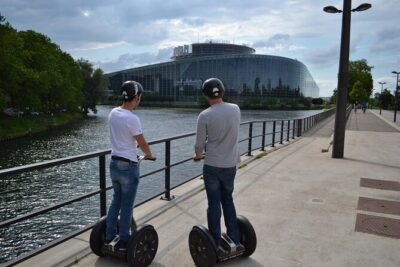
Strasbourg Food Tour – A Taste of Tradition by Do Eat Better
Read our review →
Browse the lists this tour appears in