
Reviewed · STRASBOURG TOURS
From Strasbourg: Medieval Villages & Wine Tasting Day Trip
The best thing about this day trip is its reach. From Strasbourg, you cover four celebrated medieval villages, plus Bergheim and Hunawihr, without wrestling with rural bus schedules or parking. The route gives you cobbled lanes, vineyard views, old fountains, wine tasting, and free time to wander.
I like the self-guided village stops, which let you choose a bakery, church, shop, or quiet lane instead of following a flag through town. I also like the clear audio commentary in 12 languages and the comfortable coach with Wi-Fi, USB ports, and wide windows. The tradeoff is simple: this is a long 10.5-hour day, and some stops may feel short if you want a slow meal or detailed museum visit.
Key points to know before booking
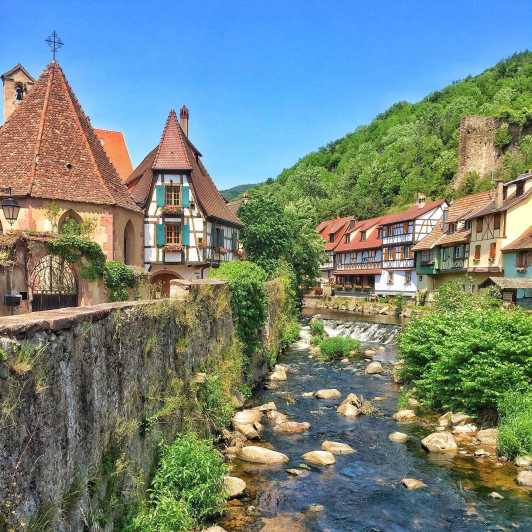
- Six Alsace stops in one day: You see Bergheim, Ribeauvillé, Hunawihr, Riquewihr, Kaysersberg, and Eguisheim, although the main free-time stops are Ribeauvillé, Riquewihr, Kaysersberg, and Eguisheim.
- About an hour in most villages: Riquewihr gets roughly 105 minutes, while Eguisheim gets about 45 minutes.
- A local wine tasting is included: Non-alcoholic drinks are available, and there is no pressure to buy wine.
- Audio guides bridge the language gap: The driver speaks French, while audio commentary is available in English, Spanish, Chinese, German, Italian, Japanese, Korean, Portuguese, Russian, Hebrew, Arabic, and French.
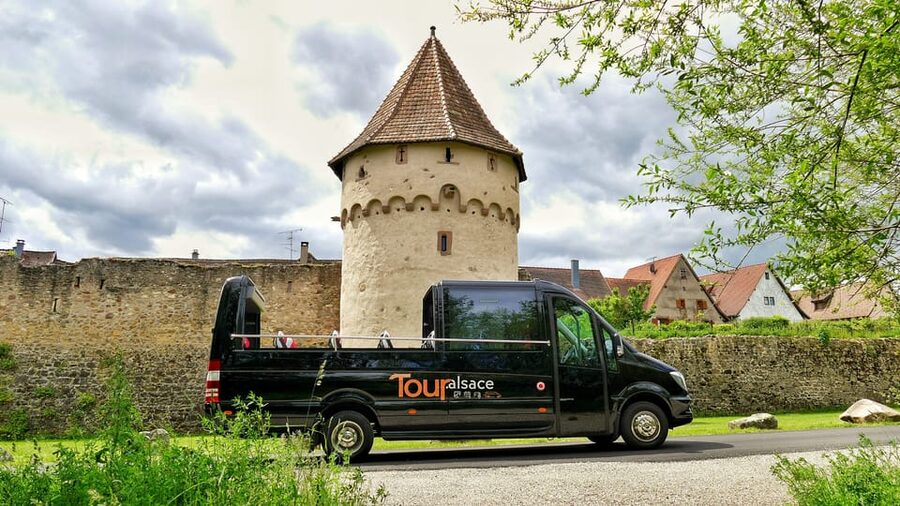
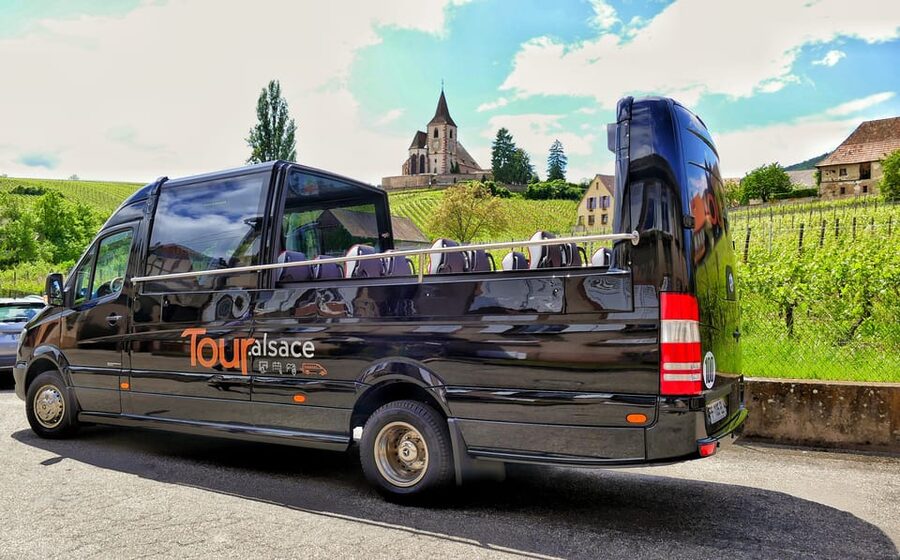
- Comfortable transport matters: The coach has free Wi-Fi, USB ports, parking covered in the price, and wide windows. Some departures use a convertible-style vehicle with an open roof when weather permits.
- This suits active sightseers: Comfortable shoes are important. The tour is not suitable for wheelchair users, people with mobility impairments, or children under four.
Why this route works from Strasbourg
Alsace is easy to admire and awkward to cover without a car. The prettiest wine villages sit south of Strasbourg, spread along the foothills of the Vosges. A day trip removes the parking problem and lets you see several places in one sweep.
At $147 per person, this is not a budget bus ride. Still, the price includes transportation, parking fees, wine tasting, Wi-Fi, USB charging, headsets, and audio guides. For you, the real value is time saved. You can see a broad section of the Alsace wine route in one day instead of building several local connections and worrying about the return journey.
The schedule is tightly planned, but it is not a forced march. You usually get about an hour to explore on foot, with longer time in Riquewihr. The driver gives a meeting time for every stop, so keep your phone or watch handy. Missing the coach would be a serious nuisance, particularly because the villages are visited independently rather than as one guided walking group.
The departure point is Strasbourg Place de l’Étoile Gare Routière. Hotel pickup is not included, so leave enough time to reach the bus station. The published starting point should be checked carefully when you book, since the supplied location description contains a garbled reference to the meeting place.
More wine tastings in Strasbourg:
- Alsace Wine Route Wineries & Tasting Small Group Guided Tour from Strasbourg
★ 5.0 · 229 reviews - Alsace: Full-Day Wine Tour & Tastings from Strasbourg
★ 4.8 · 125 reviews - Medieval Villages and Wine Tasting from Strasbourg
★ 5.0 · 55 reviews
Bergheim starts the day with a quieter welcome
Bergheim is the first village on the route and often makes a strong first impression because it feels less like a single postcard view and more like a real old town to explore. The coach passes through or near the village while the audio guide introduces the area and its past.
The stop is mainly sightseeing rather than a long free-time visit, so you should not expect to cover every lane on foot here. Pay attention through the bus windows and save your walking energy for Ribeauvillé. Bergheim is a useful opening chapter because it shows that Alsace is not only about the most famous names on the route.
The drive from Strasbourg takes about 45 minutes. That gives you time to settle in, connect to the audio system, and watch the city give way to vineyards and villages.
Ribeauvillé brings medieval streets and hill views
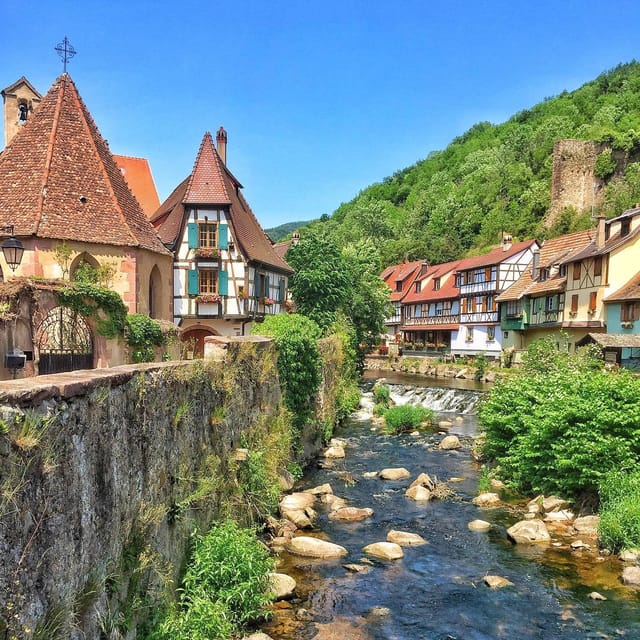
Ribeauvillé gets about an hour of free time. It was the old fief of the Lords of Ribeaupierre, and its pedestrian streets make the historical setting easy to appreciate without a formal guided walk.
I would use this stop to get your bearings rather than chase every sight. Walk the main lanes, look up at the old facades, and notice how the town sits against the hills. You may find small specialty shops, cafés, and local products along the way, but the pleasure here is simply moving at your own pace.
One hour is enough for a solid introduction, photographs, and a quick drink or snack. It is not enough for a leisurely lunch and a detailed museum visit. That is the pattern of the day: good coverage, limited lingering.
Hunawihr adds a brief photo stop
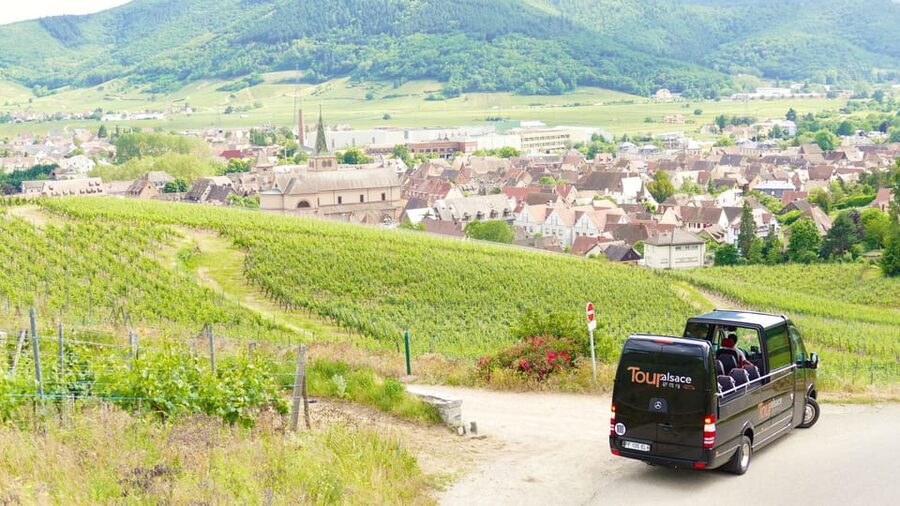
Hunawihr is a pass-by sightseeing stop with time for a photograph at its famous fountain. It is not one of the longer walking visits, so keep your camera ready and listen to the commentary.
This brief pause helps break up the drive between Ribeauvillé and the winery. It also shows you another village in the same wine-growing area without adding a full walking circuit to an already full day. If you prefer fewer stops with more time in each place, this is one reason the schedule may feel busy.
A few other Strasbourg half-days to compare
- From Strasbourg: Best Of Alsace Historical Day Trip
★ 4.7 · 633 reviews - Day trip: Colmar, Haut-Koenigsbourg, Riquewihr and Kaysersberg
★ 4.5 · 148 reviews - Disneyland® Paris 1-Day Ticket
★ 4.6 · 49,412 reviews - Normandy D-Day Sites & Cemetery Day Trip from Paris with Lunch
★ 5.0 · 6,877 reviews
The winery visit makes the wine route personal
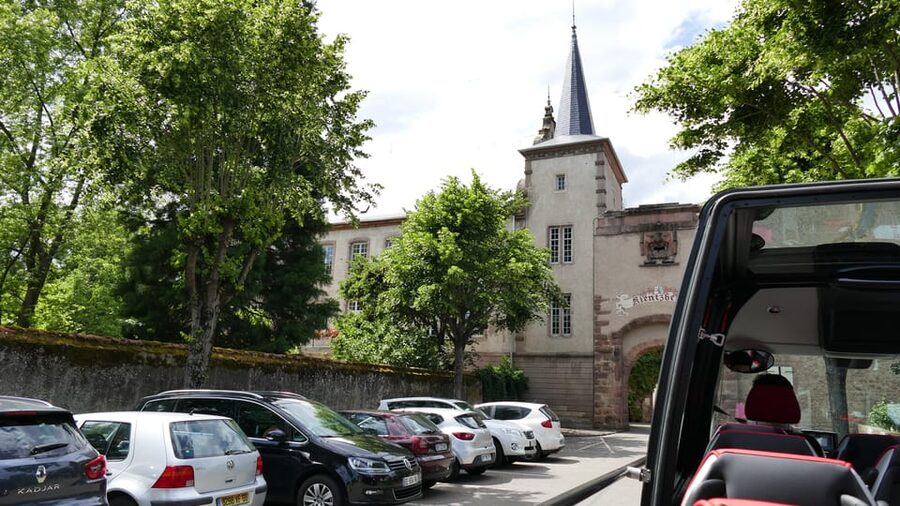
The included tasting takes about an hour at a local winemaker. This is more useful than simply buying a bottle in a shop because you get an explanation of the process and a chance to taste traditional Alsatian wines in their local setting.
The tasting is described as relaxed, with as many samples as you want and no pressure to purchase. That matters if you know little about Alsace wine and want to ask questions without feeling obliged to become a customer.
Non-alcoholic drinks are available, so you do not need to drink wine to enjoy the visit. Food is not included, however, and the tasting should not be treated as lunch. Bring money or a card for your meal later in Riquewihr, and consider carrying water since one past experience noted that bottled water was not provided on board.
The winery stop is also the day’s one organized tasting. If wine is your main reason for visiting Alsace, you may prefer a specialist wine tour with more cellar time. Here, wine is one part of a broad village tour.
Riquewihr gives you the longest village break
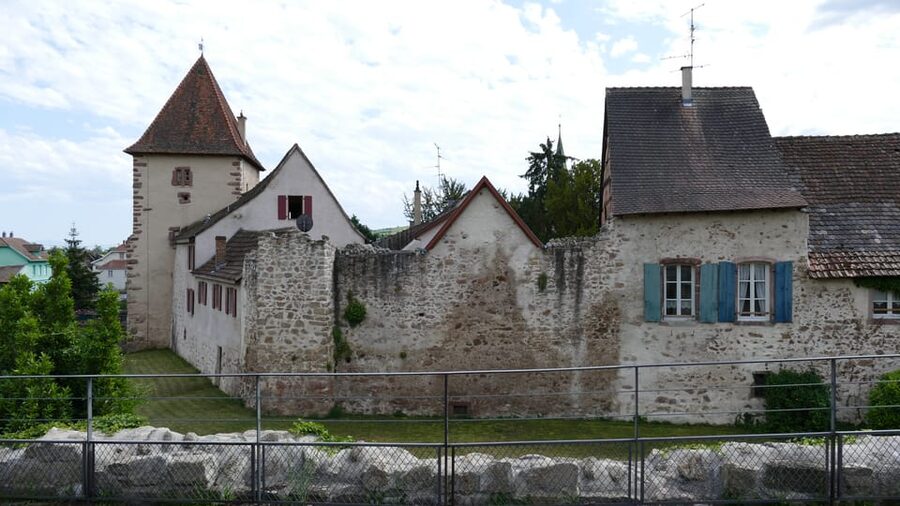
Riquewihr is the main lunch stop, with about 105 minutes of free time. Its position among vineyards and its famous old-town appearance make it one of the day’s central sights.
This is your best chance to combine lunch with serious wandering. You can eat, photograph timber-framed streets, browse specialty shops, and still have time to explore beyond the busiest central lane. The village is popular for good reason, but popularity also means that the central streets can be busy, especially at peak times.
Plan your meal early if you want to see more than the immediate center. A long restaurant lunch can consume much of the stop, while a quick café meal or takeaway gives you more time outdoors. Food and drinks are not included in the tour price, so budget separately.
The 105-minute pause is generous compared with the other villages, but it still asks you to choose. This is not a day for sitting over lunch for two hours. It is a day for sampling the place, then getting back on the coach at the required time.
The Alsace wine route is part of the attraction
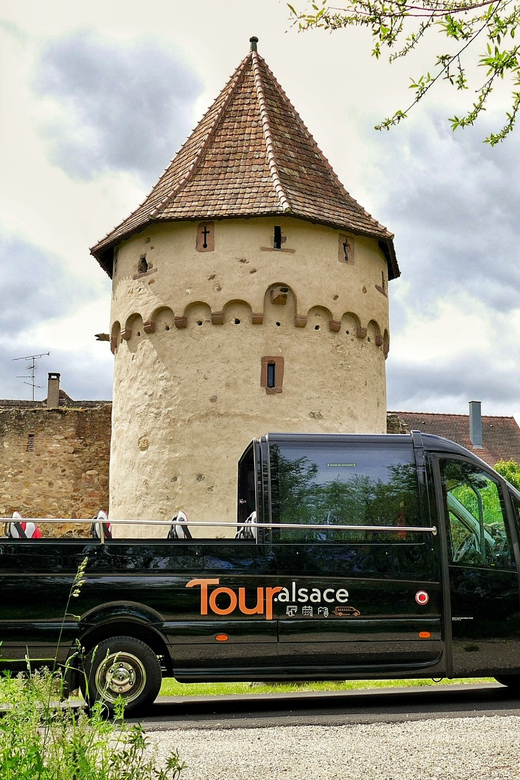
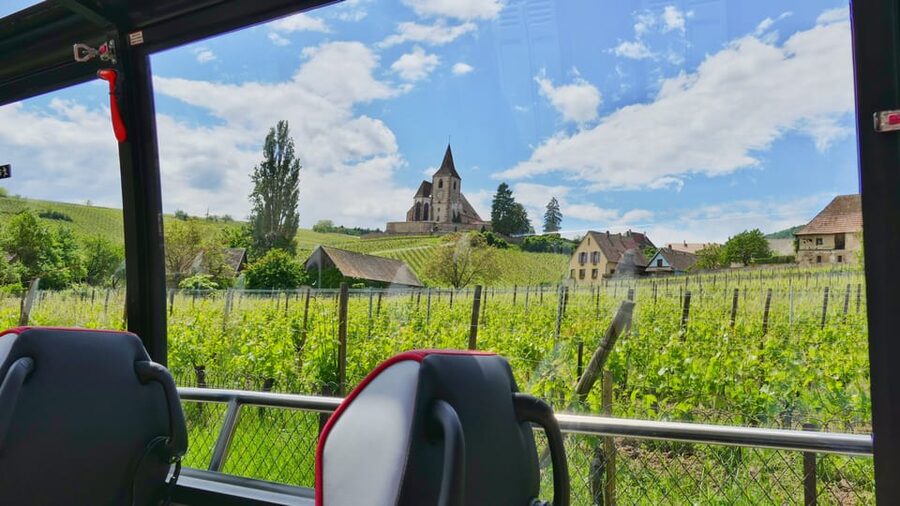
Between stops, the coach follows sections of the Route des Vins d’Alsace. The scenery is not filler. Vineyards, foothill views, and closely spaced old villages explain why this region works so well as a day trip.
The audio guide gives historical context during the drives, including information about the villages and the effects of wars on the area. One useful criticism is that the commentary may focus more on conflicts and political history than on ordinary village life. If you want stories about local food, farming, family life, or modern wine production, you may need to observe and ask questions at the winery.
The transport itself earns its keep on this route. The bus is described as clean and comfortable, with large windows, Wi-Fi, and charging ports. Some trips use a convertible-style vehicle, and the roof may be opened in dry weather. That makes the drive especially enjoyable for photographs, though a cool or windy morning can make an open roof uncomfortable. Bring a light layer even in good weather.
Rain does not automatically cancel the outing. The tour operates rain or shine, and wide windows still allow you to see the countryside when the roof stays closed.
Kaysersberg pairs a historic center with free time
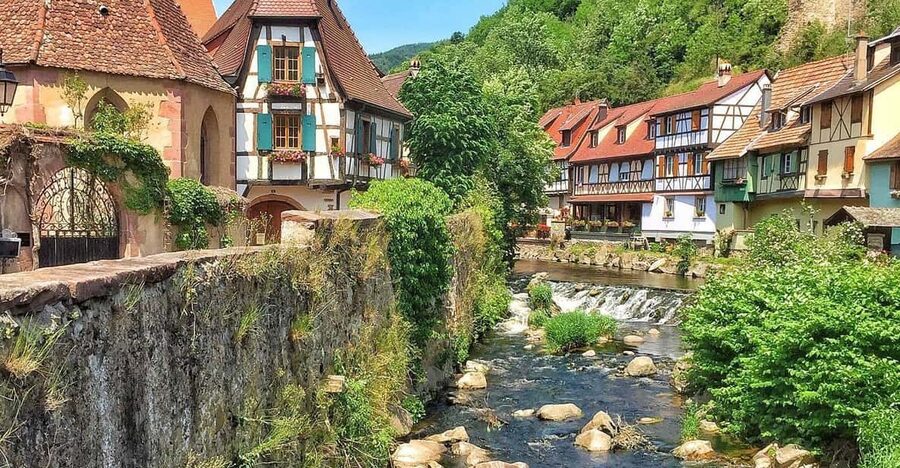
Kaysersberg gets about an hour. It was chosen as France’s favorite village in 2017, and its historical character is immediately suited to a short walking visit.
Use the hour for a focused circuit rather than trying to see everything. Follow the pedestrian streets, take in the old architecture, and leave time for a café or shop if that appeals to you. The independent format works well here because you can set your own pace and avoid spending the whole stop listening to a group explanation.
Some people would prefer more time in Kaysersberg or Eguisheim and less time at the winery. That is a fair criticism if your priority is architecture and village walking. The tour is designed for variety, not for a deep visit to one town.
Eguisheim finishes with a compact final stop
Eguisheim receives about 45 minutes, the shortest of the four principal village visits. It was selected as France’s favorite village in 2013, and its winding medieval form gives the day a strong final stop.
Forty-five minutes is enough for a brisk walk and photographs, but not for a relaxed meal or a detailed visit inside several sights. Since the tour returns to Strasbourg after Eguisheim, you may arrive there late in the afternoon or close to evening depending on the season and traffic.
This timing has a practical effect. In winter, daylight may be fading by the time you reach Eguisheim. In December, the village decorations can add a festive touch, but you should be ready for colder conditions and limited daylight. In summer, the longer daylight helps, though the schedule remains fixed.
Audio commentary and the French-speaking guide
The driver speaks French, and the audio guide provides the main commentary in 12 languages. English, Spanish, Chinese, German, Hebrew, Japanese, Arabic, Korean, Portuguese, Russian, Italian, and French are listed as options.
The headsets let you listen during the drives without depending on live translation. This is a good arrangement for a mixed-language group, though it also means you should not expect a full English walking tour in every village.
Guide quality can affect the day. Martin is specifically praised for clear instructions, kindness, and careful timing, including helping one passenger with an unusual drop-off request. Another experience found the guide’s directions less decisive and missed the coach, though another company guide helped with the connection. The practical lesson is to confirm the meeting point and time before walking away from the bus, and return a few minutes early.
Who will get the most from this $147 day trip?
I would recommend this for you if you are staying in Strasbourg, do not have a car, and want a broad first look at Alsace. It is especially useful for a short visit when you want villages, scenery, and wine in one day.
It also suits people who dislike rigid walking tours. You are dropped near the village center, given a deadline, and allowed to explore independently. That balance is one of the tour’s strongest features.
You should think twice if you want a slow food-and-wine day, detailed historical guiding at every stop, or substantial time inside museums. The day covers a lot of ground, and the four main villages share similar timber-framed architecture. One past assessment found the styles somewhat repetitive and the total day too long.
Wear comfortable shoes and bring a hat. The villages have cobblestones and uneven walking surfaces, and the tour is not suitable for wheelchair users or people with mobility impairments. Children under four cannot join.
Free cancellation is available up to two days before departure for a full refund. The provider may cancel if too few people book, with a full refund in that case. These are useful safeguards when planning around train connections or a short Strasbourg stay.
Should you book this Alsace village tour?
Book it if your goal is maximum coverage with minimum transport hassle. Four major villages, extra views of Bergheim and Hunawihr, a winery visit, and a scenic route make the $147 fare reasonable for a full day.
Skip it if you would rather choose one or two villages and linger. You will have limited time in Eguisheim and Kaysersberg, and the winery visit takes time that some people would rather spend walking.
For most first-time visitors based in Strasbourg, I think the format works. You get the classic Alsace sights, useful historical narration, a friendly local wine stop, and enough freedom to make the day feel like your own. Just bring water, watch the clock, and treat the experience as a well-paced overview rather than a slow village holiday.
FAQ
How long does the tour last?
The tour lasts 630 minutes, or about 10 hours and 30 minutes, including transportation between Strasbourg and the Alsace villages.
Where does the tour depart from?
The meeting point is Strasbourg Place de l’Étoile Gare Routière, 67100 Strasbourg, France. Hotel pickup and drop-off are not included.
Which villages do you visit?
The main free-time stops are Ribeauvillé, Riquewihr, Kaysersberg, and Eguisheim. The route also includes sightseeing in Bergheim and a photo stop in Hunawihr.
Is wine tasting included?
Yes. The tour includes a one-hour tasting with a local winemaker. Non-alcoholic beverages are available, and food and other drinks are not included.
Is the tour available in English?
The driver speaks French, but audio guides are provided in 12 languages, including English, Spanish, German, Italian, Japanese, Korean, Portuguese, Russian, Hebrew, Arabic, Chinese, and French.
Is the tour suitable for wheelchair users or young children?
No. The tour is not suitable for wheelchair users or people with mobility impairments, and children under four are not permitted. Comfortable shoes are recommended.
Just listed in Strasbourg
- From Strasbourg: Half-Day Tour of Alsace Villages★ 4.7 · 50 reviews
- Medieval Villages and Wine Tasting from Strasbourg★ 5.0 · 55 reviews
- Strasbourg City Center Guided Bike Tour w/ Local Guide★ 5.0 · 57 reviews
- Strasbourg Food Tour : Gourmet private Tour with tastings★ 4.7 · 58 reviews
- Private Tour: From Strasbourg to Colmar, Eguisheim, Riquewhir★ 4.5 · 58 reviews
- Capture the Magic of Strasbourg with an Exclusive Photoshoot★ 4.9 · 61 reviews
- FULL DAY ALSACE PRIVATE TOUR : Tailored by your Friendly Driver★ 5.0 · 76 reviews
- Explore Strasbourg in 60 minutes with a Local★ 5.0 · 82 reviews
Strasbourg Tours, compared.
Colmar, Medieval Village & Castle Small Group from Strasbourg
Read our review →

Strasbourg Food Tour – A Taste of Tradition by Do Eat Better
Read our review →
Browse the lists this tour appears in