
Reviewed · STRASBOURG TOURS
Strasbourg: Guided Historical Neighborhoods Walking Tour
Strasbourg’s story is far bigger than its pretty postcard views. On this 150-minute walk, you move from Place de la République and the grand Neustadt district through the old center, Petite France, and finally to Notre Dame Cathedral. Along the way, the guide connects medieval origins with the wars and border changes that shaped modern Alsace.
I like the small group of no more than 10 people, which makes it easier to hear, ask questions, and move through the streets without losing the guide. I also like the mix of major sights and useful local advice, including restaurant, bar, coffee, and other sightseeing tips from guides such as Davide.
The main consideration is simple: this is a walking tour, not a cathedral visit. You see Notre Dame from outside, and entrance fees are not included. Cold, heat, or rain can also affect the experience, so comfortable shoes and weather-ready clothing matter.
Key points before you book
- A 150-minute route with a strong historical arc: Follow Strasbourg from early settlement to modern European conflict.
- Small groups capped at 10: You get a more personal experience than on a large city walk.
- The route covers both Neustadt and the old center: See imperial-era avenues, famous squares, Petite France, and the cathedral quarter.
- Davide brings energy and humor: His Italian, English, and story-led presentation are a major part of the experience.
- Practical tips come built in: Guides point out places to eat, drink coffee, and continue exploring after the walk.
- Cathedral access is not included: The tour ends at Place de la Cathédrale after an exterior visit.
Why this Strasbourg walk works as a first introduction
Strasbourg can feel like several cities placed side by side. There is the broad, formal Neustadt district, the compact medieval center, the timber-framed lanes of Petite France, and the cathedral quarter packed with shops and old buildings. This walk gives you a useful map of those areas before you explore them on your own.
The route also deals with the part of Strasbourg that a quick photo stop can miss: its shifting identity. The city has moved between French and German control, and its architecture reflects those changes. A good guide can make sense of that without turning the walk into a lecture, and Davide’s approach is built around clear explanations, humor, and short stories.
I would book this early in your stay. The route gives you your bearings, then the guide can suggest where to eat and what to see next. Several people specifically appreciated recommendations for restaurants, bars, coffee stops, and additional places around town.
At $35 per person, the price is fair if you want a lively introduction rather than a silent stroll past monuments. You are paying for a local guide and a small group, not admission to a museum or cathedral. If you prefer to move at your own pace and read signs independently, you may find a self-guided walk better value.
More Walking Tours in Strasbourg
- Strasbourg: Walking Tour with a Local Guide
★ 4.3 · 607 reviews - Strasbourg: Walking Tour with Local Guide
★ 5.0 · 598 reviews - Strasbourg: Traditional Food Walking Tour with Tastings
★ 4.8 · 219 reviews
Starting at Place de la République
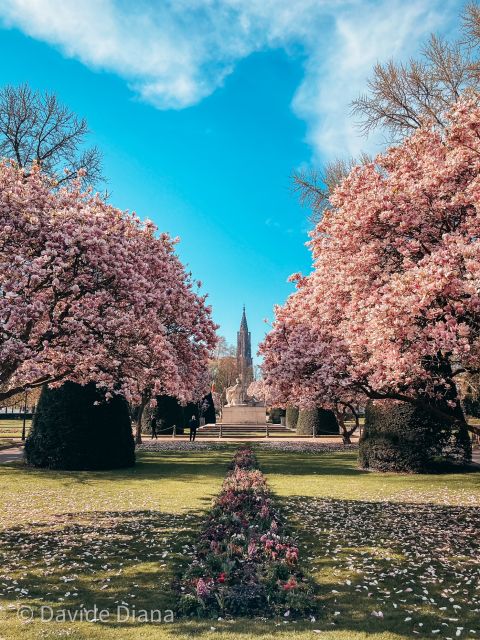
Meet your guide in the center of Place de la République, in front of the war memorial. This is a sensible starting point because the square introduces one of Strasbourg’s most important themes: the relationship between French and German periods of rule.
The square belongs to Neustadt, the district developed during the German imperial period. Its broad layout and formal buildings feel different from the narrow medieval streets near Petite France. Your guide explains the story behind the square and points out the Palais du Rhin, an imposing building with a strong imperial character.
You should expect to stand and listen at several points, though the route also keeps you moving through the streets. One participant on a cold morning felt that more talking while walking would have helped, so bring a warm layer in winter. In summer, the opposite problem can arise, and the breaks built into the walk become useful.
The opening section is especially helpful if Strasbourg’s political history is new to you. Instead of treating the city as simply French or German, the guide explains how both influences remain visible in its streets, buildings, and public spaces.
Neustadt and Place Broglie, the formal side of the city
The guided walk through Neustadt lasts about 30 minutes. This is not just a transfer to the next square. It gives you time to notice the scale of the district and understand why the city looks so different outside the medieval core.
Next comes Place Broglie, with about 10 minutes set aside for a visit. The square adds another layer to Strasbourg’s public spaces. Here, the guide continues the story through the monuments, buildings, and events connected with the city.
The tour does not treat every stop as a long photo session. That is useful for keeping the route moving, but it means you should not expect a detailed interior visit at each landmark. The value is in the connections: how the squares relate to one another, how public life changed over time, and how Strasbourg grew beyond its older center.
This part may appeal most to you if you enjoy architecture and civic history. If you are mainly after colorful timber-framed houses, the later section in Petite France will be more visually rewarding.
Place Kléber and Strasbourg’s Christmas tradition
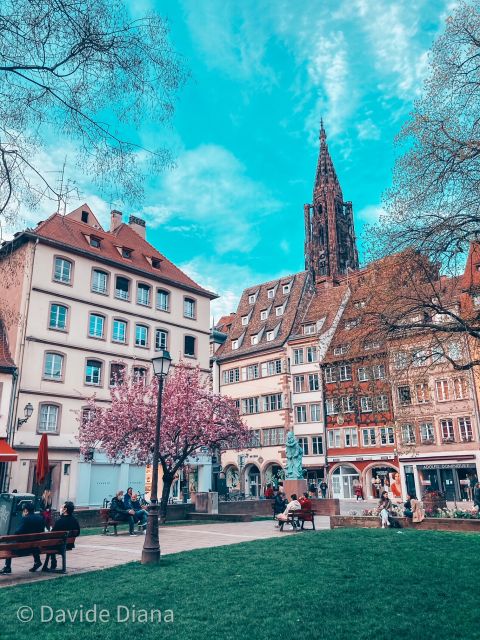
Place Kléber is Strasbourg’s central square and one of the key stops on the route. The guided portion here lasts about 20 minutes, enough time for the guide to explain why this space matters and how it functions as the city’s main gathering place.
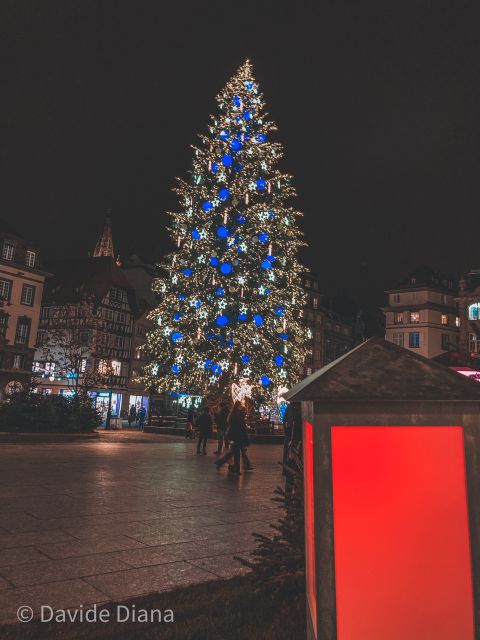
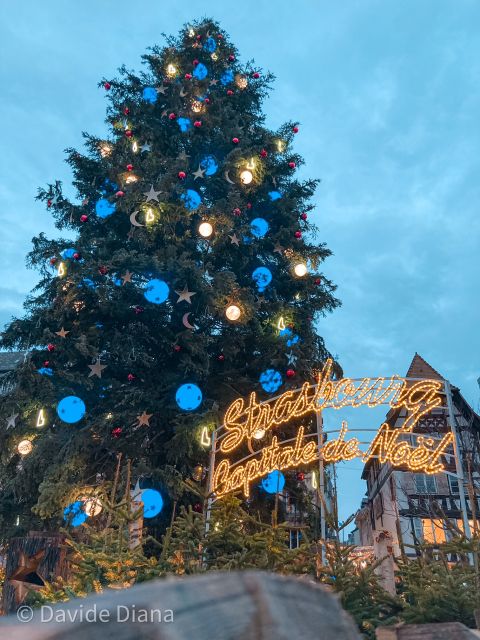
A special focus is Strasbourg’s Christmas tree tradition and the winter market. The city is widely associated with its Christmas season, but the guide adds context to the spectacle rather than simply pointing at decorations. If you visit outside winter, you still get the story behind one of Strasbourg’s best-known traditions.
Place Kléber is also a good place to hear practical suggestions for the rest of your day. Guides often use the route to point out nearby areas worth returning to, and the small group makes it easier to ask for advice suited to your interests.
The square can feel more open and active than the narrow streets that follow. That contrast is part of the appeal. You get a clear sense of Strasbourg as a living city before turning into the older lanes of Grand’Rue.
More historic sites in Strasbourg:
- From Strasbourg: Best Of Alsace Historical Day Trip
★ 4.7 · 633 reviews - Guided Walking Tour in Strasbourg between History and Curiosities
★ 5.0 · 137 reviews - Strasbourg: Private Walking Tour of the Historical Center
★ 4.2 · 107 reviews - Strasbourg: Historic Center Walking Tour
★ 4.7 · 88 reviews
Grand’Rue and the change into the old center
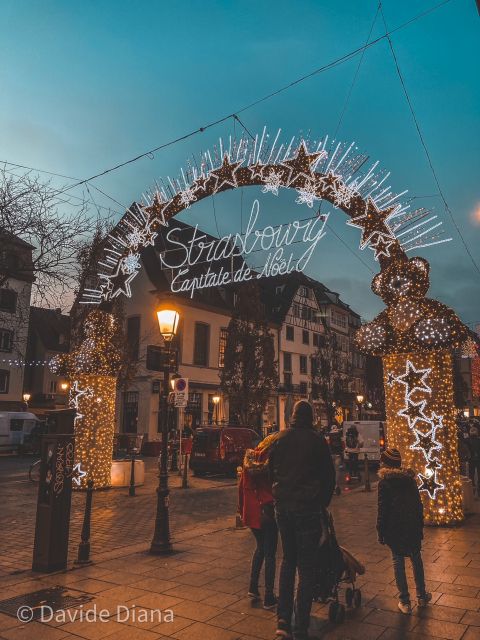
The Grand’Rue section takes about 10 minutes. This is a shorter stop, but it helps link Place Kléber with Petite France and the historic center.
As you walk, pay attention to how the scale changes. The broad spaces of Neustadt give way to streets that feel more compact and layered. The guide’s job here is less about one grand monument and more about helping you read the city as you move through it.
This is also where a lively presenter can make a real difference. Davide, sometimes identified as David in booking details, is described as an animated guide who explains facts in a logical order and keeps the pace moving. His humor helps when the subject turns toward wars, political change, or other heavy parts of Strasbourg’s past.
You will not get an exhaustive account of every building. Instead, expect a selective walk that concentrates on the places most useful for understanding the city on a first visit.
Petite France and the original half-timbered houses
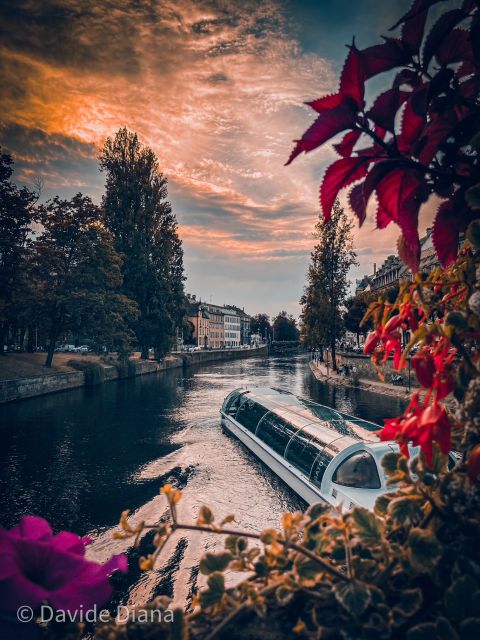
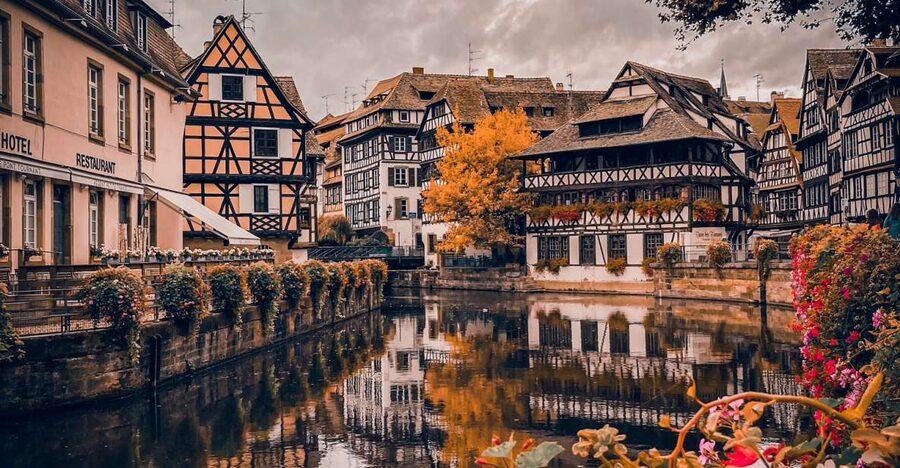
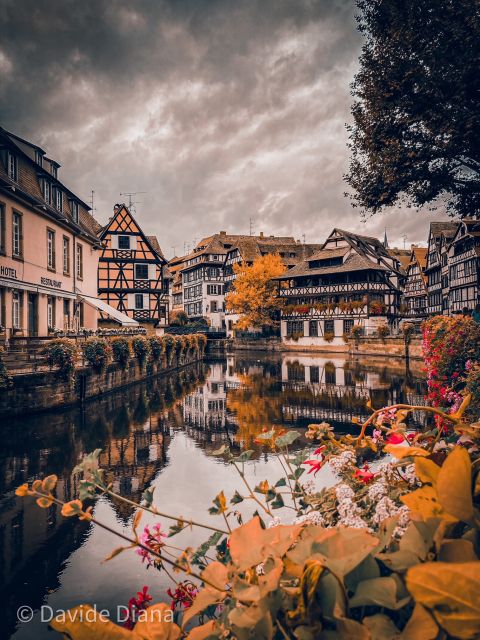
Petite France is the visual heart of the experience. The route allows about 30 minutes here for a photo stop, sightseeing, and guided explanation.
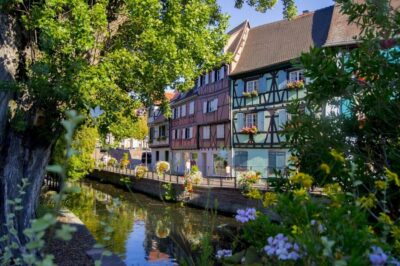
The quarter is known for its original half-timbered homes, waterways, and old working-city character. The guide explains where the name Petite France came from and how the area changed over the centuries. That background keeps the stop from becoming just a series of attractive façades.
You should have time for photographs, but this remains a guided walk rather than a dedicated photography tour. Stay close to the group in the narrower streets and listen for details you might miss alone. A guide can draw your eye to small features in the buildings, explain the purpose of the quarter, and show how its past differs from the grand civic spaces seen earlier.
I especially like the change in mood here. Place de la République and Place Kléber give you scale and political history. Petite France brings you closer to domestic architecture and everyday urban life. Together, the two sections make Strasbourg easier to understand.
The route may also include a short chance to rest or stop at a café, depending on the guide and conditions. One participant appreciated a coffee break, while others noted useful restaurant and bar suggestions. Do not assume a formal meal or included drink, but be ready to jot down recommendations.
Notre Dame Cathedral and the final view
The walk ends at Strasbourg’s Notre Dame Cathedral, with about 20 minutes for a photo stop and guided commentary. The cathedral is the city’s great landmark, and its Rayonnant Gothic architecture gives the final section a dramatic finish.
The guide focuses on the building’s stories and significance from outside. You do not enter the cathedral as part of this experience, and admission is not included. If you want to see the interior, plan a separate visit after the tour and check the current opening arrangements yourself.
Ending at Place de la Cathédrale is convenient for continuing your day. You can remain in the cathedral quarter, return to a favorite square, or follow one of the guide’s suggestions for food and drinks. The final stop also makes sense as a summary point: Strasbourg’s religious, political, architectural, and modern European stories meet around this landmark.
The cathedral is a strong finish, but keep your expectations clear. This is an exterior introduction, not a full cathedral tour. If interior art, stained glass, or detailed architectural analysis is your main reason for booking, you will need another activity as well.
Davide’s guiding style and what it means for you
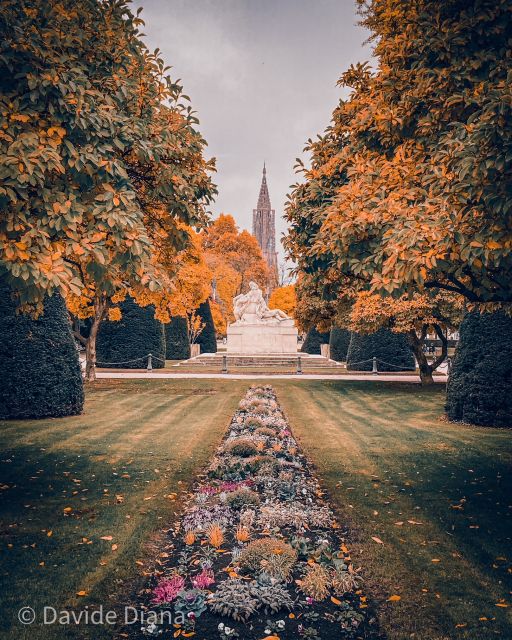
The strongest feature of this experience is the guide’s presentation. Davide is repeatedly described as funny, enthusiastic, friendly, and easy to listen to. He uses anecdotes to make dates and political events stick, while keeping the larger story understandable.
That style suits you if you like history explained through stories rather than a long stream of facts. The guide covers Strasbourg across many centuries, including its founding, changing borders, and contemporary wars. The tone is lively and generally impartial, which is useful when discussing a city shaped by both French and German influence.
The guides speak English and Italian. The exact guide name may appear as Davide, David, or occasionally another variation in booking information, so do not be concerned if the name you see differs slightly. What matters is the small-group format and the guide’s ability to keep people involved.
The pace is another strength. One participant called it a good introduction and noted that the guide kept the group moving. Another appreciated that the 2.5 hours passed quickly. You cover a lot of ground, but the route is not presented as a race.
Group size, walking comfort, and timing
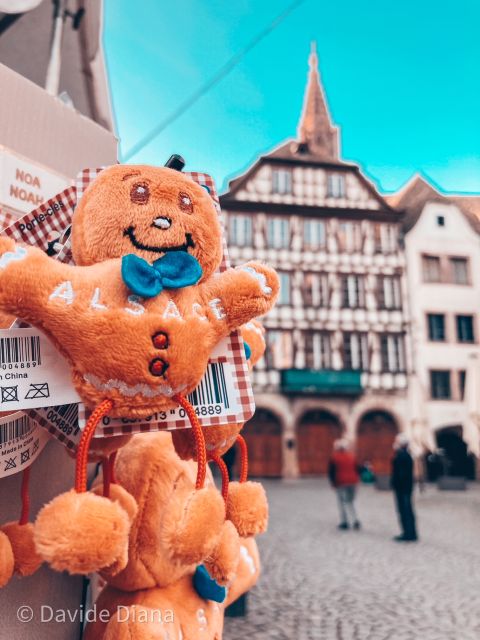
A maximum of 10 participants is a real advantage in Strasbourg’s older quarters. The group can fit more easily into narrow streets, and you have a better chance of hearing the guide without standing beside a large crowd.
This is still a 150-minute walking experience. Wear comfortable shoes, as requested, and dress for the forecast. The route includes outdoor stops at squares and monuments, so cold, heat, and rain will be more noticeable than on an indoor activity.
The experience is described as wheelchair accessible. If you use a wheelchair, you should still confirm current route conditions when booking, since historic streets and busy public spaces can be less predictable than newer districts.
The tour is listed as not suitable for pregnant women. That restriction, combined with the length and outdoor format, is worth taking seriously when deciding if this is the right activity for your group.
How the $35 price measures up
At $35, you receive a 2.5-hour guided walk in a group limited to 10, with English or Italian commentary. There are no included entrance fees, transport costs, meals, or drinks.
I consider the price reasonable for the amount of orientation and local context provided. A self-guided walk costs less, but it will not give you the same instant explanation of Place de la République, the Christmas tree tradition at Place Kléber, the name of Petite France, or the city’s border changes.
The value is highest if you are visiting Strasbourg for the first time or have limited time. You see the major districts in one route and finish with practical ideas for the rest of your stay. The value is lower if you already know the city well or want a specialist focus on cathedral interiors, food, wine, or architecture.
Flexible booking also helps. You can reserve and pay later, and cancellation is allowed up to 24 hours before the activity for a full refund. Keep in mind that this flexibility does not change what is included: the guide is included, but admission fees are not.
Who should book this Strasbourg walking tour
I would recommend it to first-time visitors who want a clear overview before exploring alone. It also suits couples, families with older children, and small groups who prefer a lively guide to a large crowd.
History fans will appreciate the route’s attention to Strasbourg’s political past. Architecture lovers get a useful range, from Neustadt’s formal buildings to Petite France’s half-timbered houses and the cathedral’s Gothic exterior.
You should think twice if you dislike standing outdoors, have difficulty walking for 150 minutes, or want substantial free time at each sight. You should also choose another activity if entering Notre Dame is essential to your plans.
FAQ
Where does the Strasbourg walking tour begin?
It begins at Place de la République. Your guide waits in the center of the square, in front of the war memorial.
Where does the tour finish?
The walk finishes at Place de la Cathédrale, beside Notre Dame Cathedral.
How long does the tour last?
The tour lasts 150 minutes, or two and a half hours.
What places does the tour visit?
The route includes Neustadt, Place de la République, Place Broglie, Place Kléber, Grand’Rue, Petite France, and Notre Dame Cathedral.
Can I enter Strasbourg Cathedral during the tour?
No. The cathedral is visited from the outside, and entrance is not included.
What languages are available?
The live guide speaks English or Italian.
How large is the group?
The group is limited to 10 participants.
Is the tour wheelchair accessible?
Yes, the activity is described as wheelchair accessible.
What should I bring?
Bring comfortable shoes and clothing suited to the weather.
Can I cancel for a refund?
Yes. You can cancel up to 24 hours in advance for a full refund. You can also reserve now and pay later.
Should you book it?
Book this walk if you want Strasbourg’s main districts explained in one well-paced outing, with a guide who adds humor and practical local advice. The small group, broad historical coverage, and finish at Notre Dame make it a strong first-day choice.
Skip it if you want cathedral entry, a specialist architecture tour, or a slow photographic wander. For $35, you are buying context, orientation, and a personable guide, not admissions or a meal. For most first-time visitors, that is a useful trade.
Just listed in Strasbourg
- From Strasbourg: Half-Day Tour of Alsace Villages★ 4.7 · 50 reviews
- Medieval Villages and Wine Tasting from Strasbourg★ 5.0 · 55 reviews
- Strasbourg City Center Guided Bike Tour w/ Local Guide★ 5.0 · 57 reviews
- Strasbourg Food Tour : Gourmet private Tour with tastings★ 4.7 · 58 reviews
- Private Tour: From Strasbourg to Colmar, Eguisheim, Riquewhir★ 4.5 · 58 reviews
- Capture the Magic of Strasbourg with an Exclusive Photoshoot★ 4.9 · 61 reviews
- FULL DAY ALSACE PRIVATE TOUR : Tailored by your Friendly Driver★ 5.0 · 76 reviews
- Explore Strasbourg in 60 minutes with a Local★ 5.0 · 82 reviews
Strasbourg Tours, compared.
Colmar, Medieval Village & Castle Small Group from Strasbourg
Read our review →

Strasbourg Food Tour – A Taste of Tradition by Do Eat Better
Read our review →
Browse the lists this tour appears in